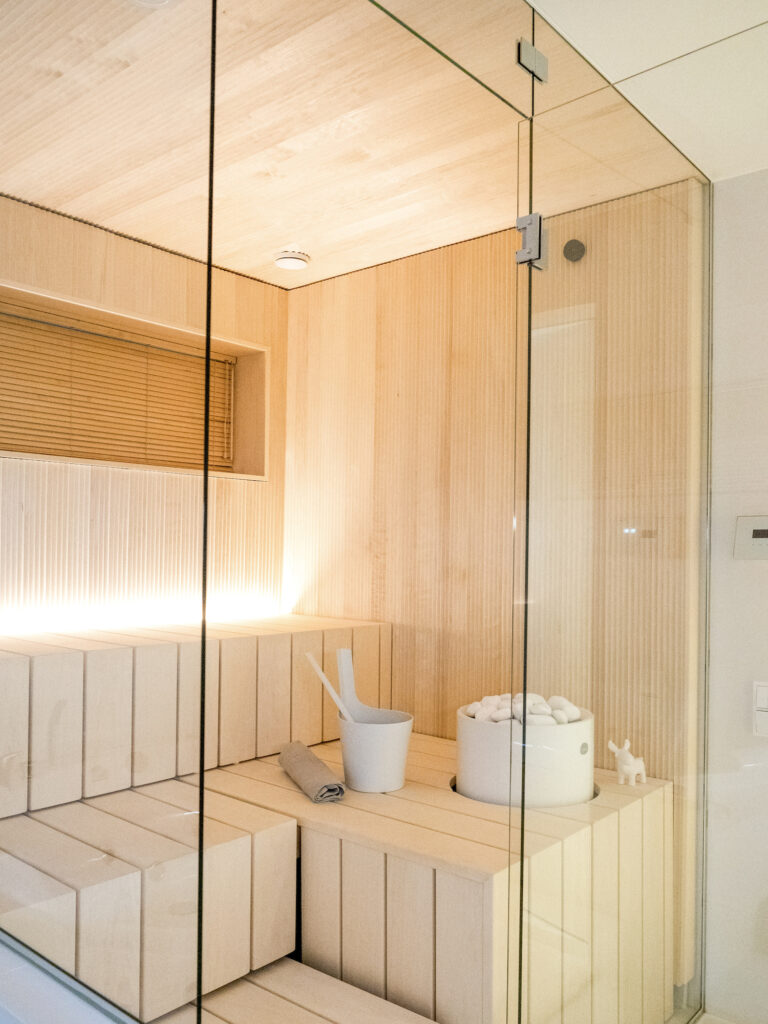
Yes, sauna use can affect testosterone levels, though the relationship is more nuanced than a simple boost. Research suggests that regular sauna sessions trigger hormonal responses through heat stress, including short-term fluctuations in testosterone and other hormones. The effects depend on session frequency, temperature, duration, and individual health factors. Below, we unpack the key questions around sauna use and hormone health.
Does sauna use actually raise testosterone levels?
Sauna use can produce short-term increases in testosterone, but the evidence points to a temporary hormonal response rather than a permanent elevation. Heat stress stimulates the endocrine system, and some studies have observed a rise in luteinizing hormone (LH) following sauna sessions, which in turn signals the testes to produce more testosterone. However, these increases are generally transient and return to baseline within hours.
The picture becomes more interesting with consistent, long-term sauna habits. Regular heat exposure may support the hormonal environment indirectly by reducing chronic inflammation, improving circulation, and lowering cortisol levels over time. These factors all contribute to a healthier baseline for testosterone production. The sauna is not a replacement for lifestyle factors like sleep, exercise, and nutrition, but it can be a meaningful part of a broader approach to hormonal health.
How does heat stress affect the endocrine system?
Heat stress activates the endocrine system by triggering the release of several hormones as the body works to regulate its internal temperature. When core body temperature rises in a sauna, the hypothalamus and pituitary gland respond by releasing signaling hormones, including growth hormone and LH. This cascade is the body’s adaptive response to a thermal challenge.
Growth hormone is one of the most consistently documented responses to sauna heat stress. Some research has observed significant spikes in growth hormone following repeated sauna sessions, particularly when sessions are intense and the body is pushed close to its thermal tolerance. This hormonal release supports muscle repair, fat metabolism, and overall tissue regeneration. The endocrine response is essentially the body treating heat as a beneficial stressor, similar in some ways to how it responds to physical exercise.
What sauna temperature and duration produce hormonal effects?
Hormonal effects from sauna use are most consistently observed at temperatures between 80°C and 100°C (176°F to 212°F), with sessions lasting between 15 and 30 minutes. Shorter sessions at lower temperatures tend to produce milder hormonal responses, while longer or more intense sessions generate a stronger heat stress signal that prompts a more pronounced endocrine reaction.
Frequency also matters. Single sessions produce acute hormonal shifts, but repeated sessions across a week appear to compound the adaptive response. The traditional Finnish sauna protocol, which involves multiple rounds of heat exposure with cooling breaks in between, aligns well with what research suggests is an effective pattern for stimulating hormonal activity. This is precisely the kind of sauna culture that Finnish wood products and sauna craftsmanship have supported for generations.
It is worth noting that going beyond 30 minutes in extreme heat can push the body into a state of excessive stress, which may actually suppress hormonal output rather than support it. Balance and consistency matter more than pushing session length to the extreme.
Does sauna use affect cortisol and stress hormones?
Sauna use has a complex relationship with cortisol. In the short term, a sauna session can cause a temporary rise in cortisol as the body responds to heat as a stressor. However, regular sauna use over weeks and months is associated with a lower resting cortisol level and an improved stress response, suggesting the body adapts to the thermal challenge over time.
This is significant for testosterone health because cortisol and testosterone have an inverse relationship. When chronic cortisol is elevated, testosterone production tends to be suppressed. By helping to regulate and reduce long-term cortisol output, consistent sauna use may create a more favorable hormonal environment for testosterone. Think of it as the sauna training the nervous system to handle stress more efficiently, which has downstream benefits for the entire hormonal system.
Can sauna use support testosterone levels in men over 40?
For men over 40, sauna use can be a supportive tool for maintaining healthier testosterone levels, though it works best as part of a broader lifestyle approach. Testosterone naturally declines with age, and the factors that accelerate this decline, including chronic stress, poor sleep, inflammation, and reduced circulation, are all areas where regular sauna use offers measurable benefits.
Heat exposure promotes better sleep quality, supports cardiovascular function, and reduces systemic inflammation, all of which contribute to a more favorable hormonal environment. For older men who may not tolerate high-intensity exercise as easily, the sauna offers a lower-impact way to trigger some of the same hormonal and physiological adaptations associated with physical training.
The key is regularity. Occasional sauna visits are pleasant but unlikely to produce lasting hormonal benefits. Building a consistent habit of several sessions per week is where the evidence for meaningful physiological adaptation becomes more compelling.
Are there any risks to hormone health from too much sauna use?
Yes, excessive sauna use can negatively affect hormone health, particularly when sessions are too long, too frequent, or taken without adequate recovery. Prolonged heat exposure raises core body temperature to levels that can impair sperm production and testicular function, which is directly tied to testosterone output. Research suggests that scrotal temperature is sensitive to heat, and repeated overexposure may temporarily reduce fertility markers and androgen levels.
Overtraining with any stressor, including thermal stress, can push cortisol into chronically elevated territory and suppress the hormonal signals the body uses to produce testosterone. Signs that sauna use may be excessive include persistent fatigue, disrupted sleep, reduced motivation, and a general sense of burnout rather than recovery.
Practical guidelines to avoid hormonal disruption from sauna overuse include:
- Limiting individual sessions to 15 to 30 minutes at a time
- Allowing at least one rest day between intensive sauna sessions
- Staying well hydrated before, during, and after each session
- Listening to the body and reducing frequency during periods of illness or high life stress
- Avoiding sauna use immediately after intense physical training if recovery is already compromised
Used wisely, the sauna is one of the most time-tested tools in Finnish culture for supporting overall well-being. The goal is consistent, moderate exposure that challenges the body just enough to trigger adaptation, without tipping into a level of stress that works against hormonal balance. A well-built sauna with quality materials, like the haapa and tervaleppä lauteet we craft at Pieksäwood, makes it easier to create the kind of comfortable, reliable sauna environment where regular use becomes a genuine habit rather than an occasional luxury. Contact us to learn more about how we can help you build that environment.