For most people, using the sauna after a workout delivers better results than using it before. Post-exercise sauna sessions support muscle recovery, help the body cool down gradually, and extend the cardiovascular benefits of your training. Using the sauna before exercise can leave you fatigued and dehydrated before you even begin. The sections below break down exactly what happens in each scenario and how to get the most from your sauna sessions around training.
What happens to your body when you use a sauna after exercise?
When you enter a sauna after a workout, your body continues many of the same physiological processes that exercise already triggered. Your heart rate stays elevated, blood vessels remain dilated, and your core temperature rises further. This extended cardiovascular load can amplify circulation, help flush metabolic waste from muscles, and promote relaxation through the release of endorphins.
The heat also stimulates the production of heat shock proteins, which are molecules your body uses to repair and protect cells damaged during intense physical effort. At the same time, the deep warmth loosens tight connective tissue and reduces muscle stiffness, which many athletes and gym-goers report as one of the most immediate and noticeable benefits.
From a hormonal perspective, post-workout sauna use has been linked to elevated growth hormone levels. While the magnitude varies between individuals, the combination of exercise-induced and heat-induced hormonal responses may support tissue repair and adaptation over time. The key is that your body is already primed from training, and the sauna extends rather than replaces that physiological work.
Does using a sauna before a workout improve performance?
Using the sauna before a workout is unlikely to improve performance and may actually reduce it. Spending time in high heat before exercise raises your core temperature, causes fluid loss through sweating, and places a pre-load on your cardiovascular system. Starting a training session already partially dehydrated and thermally stressed means your body has less capacity to perform at its peak.
That said, a brief and gentle sauna session, kept short and followed by adequate rehydration, can serve as a warm-up tool for some people. The heat increases blood flow to muscles and improves tissue elasticity, which can feel beneficial before light activity such as stretching or low-intensity movement. However, for strength training, high-intensity intervals, or endurance work, the risks of pre-exercise sauna use outweigh the potential benefits.
If your goal is performance, save the sauna for after your session. If your goal is relaxation and gentle preparation for light movement, a short pre-workout sauna may be enjoyable, but keep it under ten minutes and drink water before you begin.
How long should you stay in the sauna after a workout?
After a workout, most people benefit from staying in the sauna for 10 to 20 minutes. This duration is long enough to experience meaningful cardiovascular and muscular benefits without placing excessive strain on a body that is already fatigued from exercise. Beginners or those who trained intensely should start at the lower end of that range.
Several factors influence the right duration for you personally:
- Training intensity: The harder you trained, the more cautious you should be about extended heat exposure immediately afterward.
- Hydration status: If you did not drink enough water during your workout, a shorter session reduces the risk of dehydration.
- Heat tolerance: Sauna tolerance is partly individual. Listen to your body and exit if you feel dizzy, lightheaded, or nauseous.
- Sauna temperature: A traditional Finnish sauna at 80 to 100 degrees Celsius demands more from your body than a lower-temperature infrared sauna.
You can also break your sauna time into rounds, spending 10 minutes inside, cooling down for a few minutes, and returning for another round. This approach is common in Finnish sauna culture and allows you to extend the overall session while giving your body brief recovery intervals.
What are the recovery benefits of sauna bathing after strength training?
Sauna bathing after strength training supports recovery through several distinct mechanisms. The heat increases blood flow to worked muscles, accelerating the delivery of oxygen and nutrients needed for repair. It also helps clear lactic acid and other metabolic byproducts that accumulate during resistance exercise, which contributes to reduced muscle soreness in the hours and days following a session.
Reduced muscle soreness and stiffness
One of the most consistently reported benefits is a reduction in delayed onset muscle soreness, commonly known as DOMS. The warmth relaxes muscle fibers and surrounding connective tissue, easing the tightness that typically peaks 24 to 48 hours after heavy lifting. Regular post-training sauna use may help you maintain training frequency by shortening the window of discomfort between sessions.
Nervous system relaxation and sleep quality
Strength training places significant demand on the central nervous system, not just the muscles. Sauna bathing activates the parasympathetic nervous system, shifting the body from a state of exertion toward rest and recovery. This transition is associated with improved sleep quality, which is arguably the most important recovery tool available. Better sleep means better hormonal balance, faster tissue repair, and improved readiness for your next workout.
Should you shower before entering the sauna after a workout?
Yes, you should shower before entering the sauna after a workout. Rinsing off sweat, sunscreen, and any skincare products before sitting on the sauna bench is both hygienic and considerate of others sharing the space. It also removes surface impurities so that when your pores open in the heat, they are not drawing in residue from your skin’s surface.
A warm shower rather than a cold one is generally recommended before entering the sauna, as it begins the process of warming your skin and muscles, making the transition into the heat more comfortable. Cold showers are better saved for after your sauna rounds, when they provide a refreshing contrast and help bring your core temperature back down efficiently.
In shared sauna environments such as gym saunas or public facilities, showering beforehand is standard etiquette. In a private home sauna, the choice is more personal, but the hygiene benefits remain the same.
How much water should you drink around a sauna and workout session?
You should drink water consistently before, during, and after both your workout and your sauna session. A practical guideline is to consume at least 500 ml of water in the hour before exercise, continue drinking during training, and then drink an additional 500 ml to 1 litre after your sauna session to replace fluids lost through sweating in both activities.
The combined fluid loss from a workout and a sauna session can be significant. Exercise alone can cause you to lose one to two litres of sweat per hour depending on intensity and conditions. A 15 to 20 minute sauna session adds further fluid loss on top of that. Entering the sauna already dehydrated from training without rehydrating in between is one of the most common mistakes people make.
Practical hydration tips for a combined workout and sauna session:
- Drink 400 to 600 ml of water in the hour before your workout begins.
- Sip water throughout your training session, especially during rest periods.
- Drink at least 250 to 500 ml between finishing your workout and entering the sauna.
- Avoid alcohol before or during sauna use, as it accelerates dehydration and impairs heat regulation.
- After your sauna session, continue drinking water steadily rather than consuming a large amount all at once.
Electrolyte-rich drinks or light snacks containing sodium and potassium can also help restore mineral balance after a session that combines heavy exercise with prolonged heat exposure, particularly if you train at high intensity or in warm conditions.
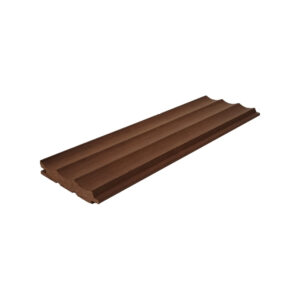
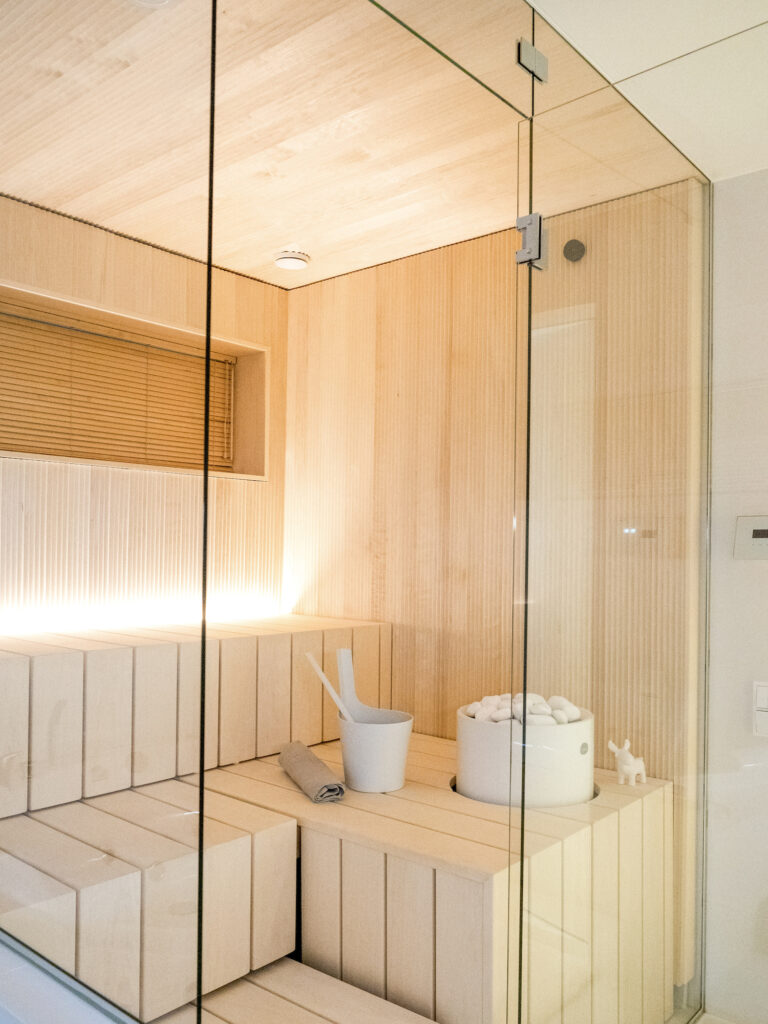
Whether you are building a home sauna retreat or outfitting a gym facility, the quality of your sauna environment matters. We craft our sauna benches and panels from premium Finnish aspen and black alder, materials chosen specifically for their smooth, knot-free surfaces and their ability to stay comfortable even at high temperatures. If you want to learn more about why do Finnish saunas use heat treated wood, we have covered the topic in detail. A well-built sauna is not just a wellness tool but a long-term investment in how you recover and feel. Feel free to get in touch with our team if you have any questions about our products or materials.