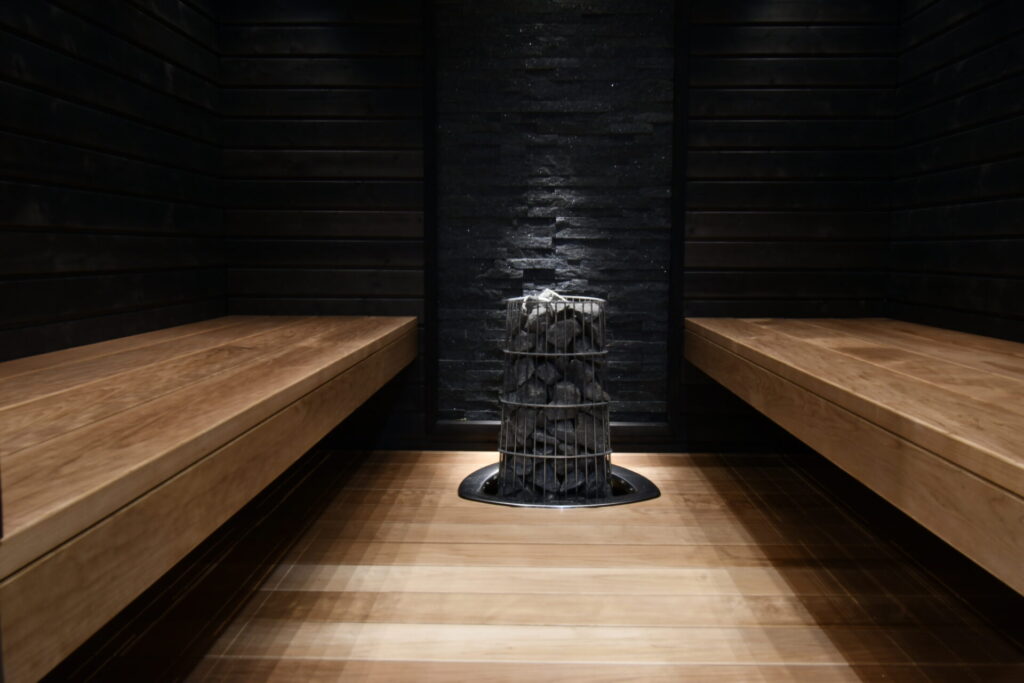
Sauna wellness trends are surging because regular heat therapy delivers measurable physical and mental health benefits that modern science continues to validate. What began as a deeply rooted Finnish tradition has become a global wellness movement, embraced by athletes, health professionals, and everyday people seeking recovery, relaxation, and resilience. This article unpacks the key questions driving that shift, from the science of heat therapy to the materials that make a sauna worth using.
What health benefits does regular sauna use actually deliver?
Regular sauna use supports cardiovascular health, muscle recovery, immune function, and circulation. Heat exposure causes the heart rate to rise similarly to moderate exercise, blood vessels to dilate, and the body to release heat shock proteins that help repair cellular damage. These sauna health benefits are well-documented and accumulate with consistent use over time.
The cardiovascular response is one of the most studied effects. When you sit in a sauna, your heart rate can climb to between 100 and 150 beats per minute, increasing blood flow throughout the body. Over time, this repeated cardiovascular stimulus is associated with improved arterial flexibility and better heart function.
Muscle recovery is another significant benefit. Heat increases blood flow to soft tissue, which helps flush out metabolic waste products like lactic acid after intense exercise. This is why sauna recovery has become a standard part of many athletes’ training routines. Beyond muscles, regular sauna sessions are also linked to improved sleep quality, as the drop in core body temperature after leaving the heat signals the body to rest.
Why has sauna culture grown so popular outside Scandinavia?
Sauna culture has spread globally because it sits at the intersection of several powerful wellness trends: the demand for natural recovery tools, the rise of preventive health practices, and a growing interest in Nordic lifestyle principles. As awareness of heat therapy benefits has grown, so has the desire to incorporate sauna therapy into everyday routines beyond its Scandinavian origins.
Social media and wellness influencers have played a significant role in making sauna culture visible and aspirational to new audiences. What was once seen as a niche Scandinavian ritual is now featured in luxury spas, boutique gyms, and private home renovations across Europe, North America, and Asia.
The timing also matters. Post-pandemic, many people became more intentional about health, stress management, and home environments. Sauna installation in private homes increased sharply as people invested in long-term wellness infrastructure. Finland, a country with more saunas than cars, has long understood what the rest of the world is now discovering: the sauna is not a luxury but a cornerstone of physical and mental well-being.
What’s the difference between traditional sauna and infrared sauna?
The key difference between traditional sauna and infrared sauna is how they generate heat. A traditional sauna heats the air around you to high temperatures, typically between 70 and 100 degrees Celsius, using a wood stove or electric heater with stones. An infrared sauna uses infrared light panels to heat your body directly at lower ambient temperatures, usually between 45 and 60 degrees Celsius.
Traditional sauna: high heat, steam, and deep roots
A traditional sauna, particularly the Finnish smoke sauna and the löyly steam sauna, creates an intensely hot environment where humidity can be adjusted by throwing water over heated stones. This combination of high heat and steam produces a deeply immersive experience that has been refined over thousands of years. The materials used, including wood species, stove quality, and ventilation, directly affect the experience and safety of the sauna.
Infrared sauna: lower temperatures, targeted penetration
Infrared saunas operate at lower air temperatures, but proponents argue that the infrared wavelengths penetrate deeper into body tissue. This makes them more accessible for people who find traditional high-heat environments uncomfortable. However, infrared saunas do not produce steam and lack the cultural and sensory richness of a traditional sauna experience. For those seeking the full sauna wellness experience, a traditional sauna remains the gold standard.
How does heat therapy support mental health and stress relief?
Heat therapy supports mental health by triggering the release of endorphins, reducing cortisol levels, and activating the parasympathetic nervous system, which governs the body’s rest and recovery state. Regular sauna use has been associated with reduced symptoms of anxiety and depression, and many users report a profound sense of calm and mental clarity after each session.
The physiological mechanism is straightforward. When the body is exposed to high heat, it releases endorphins, the same feel-good compounds triggered by exercise. At the same time, the enforced stillness of sitting in a sauna creates a rare opportunity for mental decompression in an otherwise overstimulated world.
Sauna mental health benefits also extend to social well-being. In Finnish culture, the sauna is a place for honest conversation, shared silence, and genuine connection. This communal dimension, whether with family, friends, or colleagues, adds a layer of psychological benefit that goes beyond biology. As sauna culture spreads globally, this social ritual is increasingly recognized as a meaningful counterweight to digital isolation and workplace stress.
How often should you use a sauna to see wellness results?
Most research and wellness practitioners suggest using a sauna three to four times per week to experience meaningful health benefits. A single session of 15 to 20 minutes at appropriate heat is generally considered sufficient per visit. Consistency matters more than duration, and a regular sauna routine over weeks and months produces compounding benefits rather than a single session delivering dramatic results.
For beginners, starting with one or two sessions per week and gradually increasing frequency is a sensible approach. This allows the body to adapt to heat exposure without overloading the cardiovascular system. Hydration before and after each session is essential, as the body loses significant fluid through sweating.
For athletes using sauna as a recovery tool, sessions immediately after training or competition can help reduce muscle soreness and accelerate tissue repair. For those using sauna primarily for stress relief or sleep improvement, evening sessions tend to be most effective, as the post-sauna drop in body temperature supports natural sleep onset.
What materials make a sauna healthier and more enjoyable to use?
The best materials for a sauna are knot-free, resin-free hardwoods that stay cool to the touch, absorb moisture without warping, and do not release harmful compounds when heated. Aspen and black alder are widely regarded as the finest choices for sauna benches and panelling because they combine these properties naturally, without requiring chemical treatment.
Resin is the key concern with softwoods like pine. When heated, resin can become tacky, release unpleasant odours, and in some cases cause skin irritation. Knots in the wood also concentrate resin and create uneven surfaces that can become uncomfortably hot. This is why knot-free, resin-free species like aspen are the traditional choice in Finnish saunas and remain the professional standard today.
Thermally modified wood is an increasingly popular option for sauna environments. The thermal modification process removes moisture and alters the wood’s cellular structure, significantly improving its resistance to heat, humidity, and dimensional movement. Thermally modified aspen and black alder retain all the tactile and aesthetic qualities of untreated wood while lasting longer under the demanding conditions of regular sauna use.
At Pieksäwood, we specialise in exactly these materials. Our sauna benches and panelling are crafted from high-quality Finnish aspen and black alder, both untreated and thermally modified, and every piece is planed and inspected by hand at our facility in Pieksämäki. The result is a sauna surface that feels smooth, stays safe at high temperatures, and contributes genuinely to the wellness experience the sauna is built to deliver. Contact us to discuss your sauna project and find out how our materials can support the experience you are looking to create.