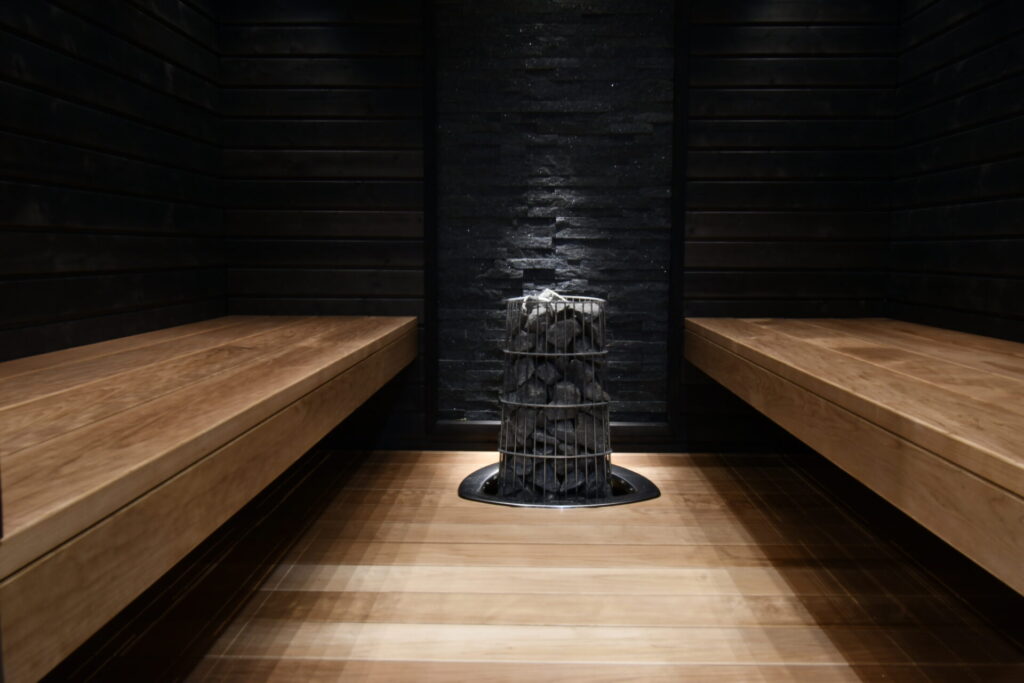
A sauna session triggers a cascade of physiological responses throughout your body, from your cardiovascular system and muscles to your skin and nervous system. The heat forces your body to work hard to regulate its core temperature, producing effects that closely resemble moderate aerobic exercise. The sections below break down exactly what happens, how long you need to stay in, and who should approach sauna use with caution.
How does heat affect your body during a sauna session?
When you sit in a sauna, the intense heat causes your core body temperature to rise by one to two degrees Celsius within minutes. Your body responds by activating its cooling mechanisms: blood vessels near the skin dilate, sweat glands become highly active, and your heart rate climbs. The overall effect on your physiology is remarkably similar to a light to moderate workout.
Your sweat glands can produce a significant volume of fluid during a single session, which is why rehydrating afterward matters. As your skin temperature rises, the nervous system shifts into a state of relaxed alertness. Many people report a feeling of deep calm during and after a sauna visit, partly because heat exposure encourages the release of endorphins, the same feel-good compounds triggered by physical exercise.
The heat also causes your muscles to relax. Tension held in the neck, shoulders, and back tends to ease as blood flow increases and muscle fibers loosen. This is one reason why sauna culture has remained central to Finnish well-being for centuries, and why the tradition continues to attract global interest in 2026.
What happens to your heart and circulation in a sauna?
In a sauna, your heart rate can increase to between 100 and 150 beats per minute, and your blood vessels dilate significantly to push more blood toward the skin surface. This cardiovascular response improves circulation throughout the body and is one of the most well-documented health benefits of sauna use.
The dilation of blood vessels lowers peripheral resistance, meaning the heart pumps more efficiently during a session. Regular sauna use is associated with improved vascular flexibility over time. Research in cardiovascular health suggests that people who use saunas frequently tend to show better markers of heart health compared to those who do not, though sauna use should complement rather than replace other healthy lifestyle habits.
After you leave the sauna and cool down, your heart rate gradually returns to its resting level. This recovery phase is itself beneficial, training your cardiovascular system to respond and adapt, much like the cool-down period after physical exercise.
Does a sauna help with muscle recovery and pain relief?
Yes, sauna use can genuinely support muscle recovery and reduce certain types of pain. The heat increases blood flow to muscle tissue, which helps clear metabolic waste products like lactic acid that accumulate during exercise. This accelerated circulation brings fresh oxygen and nutrients to tired muscles, shortening the time needed to recover.
For people dealing with chronic muscle tension or joint stiffness, the warmth of a sauna provides meaningful short-term relief. The heat relaxes the connective tissue around joints and reduces the perception of pain by calming nerve endings. Athletes have used heat therapy as part of their recovery routines for decades, and modern sports science continues to support its value as a complementary recovery tool.
It is worth noting that sauna heat is most effective for muscle soreness and tension-related discomfort. For acute injuries involving inflammation, such as a freshly sprained ankle, heat can worsen swelling. In those cases, cold therapy is more appropriate initially.
What does a sauna do to your skin?
A sauna session provides a deep cleanse for your skin. The intense sweating flushes out the pores, removing dirt, dead skin cells, and impurities that ordinary washing may not reach. Increased blood flow to the skin surface also delivers more oxygen and nutrients, which can leave skin looking clearer and more vibrant after a session.
The heat stimulates circulation in the dermal layers, which supports the skin’s natural renewal processes. Many people notice their skin feels softer and more supple after regular sauna use. This effect is partly due to the increased moisture on the skin surface during sweating and partly due to improved microcirculation in the deeper skin layers.
Rinsing off thoroughly after a sauna is important. If sweat and the impurities it carries are left to dry on the skin, they can block pores rather than clear them. A cool shower after your session closes the pores again and locks in the benefits of the heat exposure.
How long should you stay in a sauna to get health benefits?
Most of the sauna health benefits associated with cardiovascular improvement, muscle relaxation, and skin cleansing begin to accumulate after around 10 to 20 minutes in a session at a temperature between 70 and 100 degrees Celsius. Beginners should start with shorter sessions of 5 to 10 minutes and gradually extend the duration as their body adapts.
The traditional Finnish approach involves multiple rounds rather than one long stay. A typical pattern is 10 to 20 minutes in the heat, followed by a cool-down period of equal or longer duration, repeated two or three times. This cycling between heat and cool air or cold water is considered more beneficial and more comfortable than a single prolonged session.
Listening to your body is the most reliable guide. Dizziness, nausea, or a feeling of overheating are clear signals to leave the sauna immediately. Staying well hydrated before, during, and after your session is essential regardless of how experienced a sauna user you are.
Who should avoid or be cautious about using a sauna?
People with certain cardiovascular conditions, uncontrolled high blood pressure, or a recent history of a heart attack or stroke should consult a doctor before using a sauna. The cardiovascular demands of heat exposure, while beneficial for most healthy adults, can place excessive strain on a heart that is already under stress.
Other groups that should exercise caution include:
- Pregnant women, particularly in the first trimester, as elevated core body temperature carries risks for fetal development
- People with low blood pressure, who may feel faint when moving from the heat to a cooler environment
- Those who have consumed alcohol, as alcohol and heat together significantly increase the risk of dehydration, dizziness, and dangerous drops in blood pressure
- Children and elderly individuals, who regulate body temperature less efficiently and should limit session length and temperature
- People with certain skin conditions, such as active eczema flare-ups or open wounds, for whom intense heat and sweating may cause irritation
For healthy adults, sauna use is a safe and rewarding practice when approached sensibly. The key is moderation, proper hydration, and awareness of how your body feels throughout the session. If you are ever in doubt about whether sauna use is appropriate for your health situation, a brief conversation with your doctor will give you the clarity you need to enjoy it confidently. You are also welcome to contact us with your sauna questions and we will be happy to help.
The quality of the sauna environment itself also matters for comfort and the overall experience. We at Pieksäwood craft our sauna benches and panels from knot-free, resin-free aspen and black alder, materials chosen specifically because they stay comfortable to the touch even at high temperatures and hold up beautifully over years of regular use. You can explore our full range of premium Finnish wood products to find the right materials for your sauna.