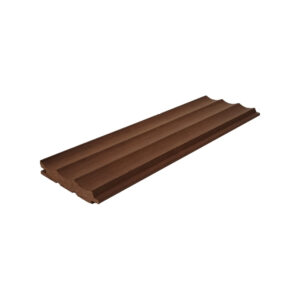
Finnish saunas have earned worldwide recognition for their exceptional quality and authentic experience. The wood species used in these traditional structures play a fundamental role in creating the perfect sauna environment, affecting everything from heat distribution to user comfort.
Understanding why Finnish saunas use specific wood types helps you appreciate the centuries of craftsmanship behind authentic Finnish sauna construction. The choice of wood directly impacts your sauna’s performance, durability, and overall experience.
What makes certain wood species ideal for Finnish saunas?
Ideal sauna wood species must withstand high temperatures and humidity while remaining comfortable to the touch. These woods have low thermal conductivity, meaning they don’t conduct heat quickly, which helps prevent burns when you sit or lean against sauna surfaces.
The best sauna woods share several important characteristics. They resist warping and cracking under extreme temperature fluctuations, from room temperature to over 80°C. These species also maintain dimensional stability, keeping their shape and size consistent despite repeated heating and cooling cycles.
Resin content plays a critical role in wood selection. Woods with high resin or pitch content can become sticky and uncomfortably hot in sauna conditions. Ideal species contain minimal resin, ensuring surfaces remain pleasant to the touch even at high temperatures. Additionally, these woods typically feature tight grain patterns that resist moisture absorption and bacterial growth.
Why do Finnish saunas traditionally use aspen and alder wood?
Aspen and alder dominate Finnish sauna construction because they offer the perfect combination of low thermal conductivity, minimal resin content, and excellent moisture resistance. These species remain cool to the touch even in intense heat, making them ideal for benches and wall panels.
Aspen stands out for its exceptionally smooth surface and light color, which brightens sauna interiors. This wood contains virtually no resin, eliminating concerns about sticky surfaces or unpleasant odors during heating. Aspen’s cellular structure provides natural insulation, keeping surface temperatures comfortable for direct skin contact.
Alder complements aspen with its slightly denser grain and natural resistance to moisture damage. This species maintains its structural integrity through countless heating cycles while developing an attractive patina over time. Both aspen and alder grow abundantly in Finnish forests, making them sustainable and readily available choices for authentic Scandinavian sauna construction.
How does heat treatment improve sauna wood performance?
Heat treatment transforms wood’s cellular structure by exposing it to temperatures between 160°C and 230°C in controlled, oxygen-limited environments. This process removes moisture and modifies the wood’s chemical composition, significantly improving its stability and durability in sauna conditions.
The heat-treatment process creates several performance improvements. Treated wood exhibits enhanced dimensional stability, meaning it undergoes less expansion and contraction with changes in temperature and humidity. This stability helps prevent gaps, warping, and other structural issues that can develop in untreated sauna wood over time.
Heat-treated wood also gains improved resistance to decay and insect damage. The treatment process breaks down nutrients that bacteria and fungi typically consume, creating a more hostile environment for these organisms. Additionally, the modified wood structure becomes less attractive to insects, extending the sauna’s lifespan without chemical preservatives.
What’s the difference between treated and untreated sauna wood?
Treated sauna wood offers superior dimensional stability and longevity compared with untreated alternatives, while untreated wood maintains its natural appearance and traditional characteristics. The choice between them depends on your priorities regarding maintenance, appearance, and long-term performance.
Untreated wood preserves the authentic look and feel that many sauna enthusiasts prefer. It retains its natural color, grain patterns, and subtle wood aromas that contribute to the traditional sauna experience. However, untreated wood requires more maintenance and may move more as it responds to changes in temperature and humidity.
Heat-treated wood provides enhanced performance benefits but with some aesthetic trade-offs. The treatment process typically darkens the wood and may reduce some of the natural wood fragrance. However, treated wood requires less maintenance, shows greater resistance to cracking and warping, and often provides better long-term value despite higher initial costs.
Which wood species should you avoid in sauna construction?
Avoid resinous softwoods like pine and spruce in sauna construction, as they can become uncomfortably hot and may release sticky resins at high temperatures. These woods can burn skin on contact and create unpleasant surfaces that require frequent cleaning.
Hardwoods with high thermal conductivity also present problems in sauna environments. Species like oak, maple, and cherry conduct heat rapidly, making them too hot for comfortable skin contact. These woods may also crack or split under the extreme temperature variations typical of sauna use.
Treated lumber containing chemical preservatives poses health risks in sauna conditions. High temperatures can cause these chemicals to off-gas, creating potentially harmful vapors in the enclosed sauna environment. Always choose untreated or naturally heat-treated woods specifically intended for sauna applications to ensure safe and comfortable use.
At Pieksäwood, we understand the importance of selecting the right wood species for authentic Finnish sauna construction. With over 75 years of experience and 20 years specializing in heat treatment, we process high-quality aspen and alder using traditional Finnish methods. Our complete production chain in Pieksämäki ensures that every piece of sauna wood meets the exacting standards that make Finnish saunas the world’s finest. Explore our high-quality sauna wood products to find the perfect materials for your authentic Finnish sauna project.
Start Your Authentic Finnish Sauna Project Today
Ready to create your own piece of Finnish tradition? Whether you’re planning a residential sauna or commercial installation, choosing the right wood species is crucial for achieving that authentic Finnish sauna experience. Our team of experts is ready to guide you through selecting the perfect materials for your specific needs and climate conditions. Don’t let inferior materials compromise your sauna’s performance and longevity. Contact our specialists today to discuss your project requirements and discover how our premium heat-treated aspen and alder can transform your sauna vision into reality.