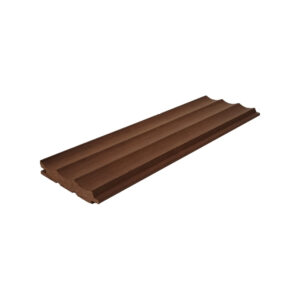
Heat-treated aspen transforms ordinary wood into an extraordinary building material through a carefully controlled thermal process. This innovative technique creates wood that resists moisture, lasts longer, and develops a rich brown color without using any chemicals or toxins.
Understanding how thermal modification works helps you make informed decisions about wood selection for your construction projects. The process fundamentally changes the wood’s cellular structure, creating benefits that extend far beyond traditional lumber treatments.
What Makes Heat-Treated Aspen Different
Heat-treated aspen undergoes a complete transformation during thermal modification that changes its fundamental properties. The process removes water and resin from the wood while altering its cellular structure through controlled exposure to temperatures between 175 and 210 degrees Celsius.
During treatment, the wood naturally develops a luxurious deep brown color, without stains or chemical additives. This color change occurs throughout the entire piece, not just on the surface, creating a consistent appearance that won’t fade or wear away over time.
The thermal process also gives the wood a pleasant, natural aroma that many people find appealing. Unlike chemically treated lumber, heat-treated aspen maintains its natural character while gaining enhanced performance characteristics that make it suitable for demanding applications.
Why Thermal Modification Extends Wood Lifespan
Thermal modification dramatically improves wood durability by fundamentally changing how it interacts with moisture. The high-temperature treatment breaks down components in the wood that normally absorb water, creating a material that naturally resists moisture penetration.
The process works by first completely drying the lumber at 100 degrees Celsius, then slowly raising the temperature to the treatment range over 1.5 to 3 days, depending on the wood species and thickness. Steam and hot air protect the wood during treatment, preventing cracking and combustion while facilitating the chemical changes that occur within the wood structure.
This controlled environment allows the wood to undergo beneficial transformations without damage. The removal of water and resin creates a more stable material that expands and contracts less with changes in humidity, reducing the likelihood of warping, splitting, or other moisture-related problems that typically shorten a wood product’s lifespan.
Heat-Treated Aspen Applications in Construction
Heat-treated aspen excels in applications where moisture resistance and dimensional stability matter most. The material works particularly well for interior paneling, trim work, and decorative elements in both residential and commercial spaces.
Sauna construction represents one of the most demanding applications for heat-treated aspen. The extreme temperature and humidity fluctuations in saunas would quickly damage untreated wood, but thermally modified aspen withstands these conditions while maintaining its appearance and structural integrity.
The wood’s enhanced stability also makes it valuable for flooring, wall cladding, and other applications where consistent dimensions and moisture resistance provide long-term benefits. Its natural brown color eliminates the need for staining in many applications, reducing maintenance requirements over the building’s lifetime.
Quality Standards for Thermal Wood Processing
Proper thermal modification requires precise control of temperature, time, and atmosphere throughout the treatment process. The wood must be completely dry before thermal treatment begins, and temperature increases must occur gradually to prevent damage to the wood structure.
Modern thermal processing facilities use sophisticated monitoring systems to ensure consistent results. The treatment atmosphere combines steam and hot air in carefully controlled proportions, creating conditions that promote beneficial chemical changes while protecting the wood from thermal damage.
High-quality thermal processing produces wood with uniform color throughout, a pleasant aroma, and enhanced durability without any toxic chemicals. This fully ecological process relies only on heat and steam, making it safe for both manufacturing workers and end users while delivering superior performance characteristics.
At Pieksäwood, we control this entire thermal modification process at our modern facility in Pieksämäki, Finland. Our 20 years of experience with heat treatment, particularly with aspen and alder, ensures that every piece of lumber meets the highest quality standards while maintaining the natural beauty that makes Finnish wood products so valued worldwide.
Ready to Enhance Your Project with Heat-Treated Aspen?
Discover how heat-treated aspen can transform your construction project with its superior moisture resistance, dimensional stability, and natural beauty. Our thermal modification expertise ensures you receive the highest quality lumber that will perform exceptionally for decades to come. Whether you’re planning sauna construction, interior paneling, or specialized building applications, our team is ready to help you select the perfect heat-treated aspen solution. Contact us today to discuss your project requirements and learn how our premium thermally modified lumber can exceed your expectations while supporting your commitment to sustainable, chemical-free building materials.