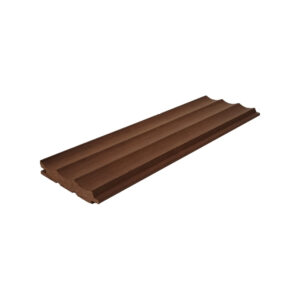
Selecting the right high-quality wood for sauna construction makes all the difference in how it performs over time, especially in high-traffic environments. When saunas experience frequent use, the materials you choose directly impact maintenance needs, longevity, and the overall experience for users. Making informed decisions about sauna wood finishes can save you significant time and money while ensuring your sauna remains beautiful and functional for years to come.
Why wood selection matters for high-traffic saunas
High-traffic saunas face challenges that residential saunas simply don’t encounter. In commercial settings like hotels, gyms, and spas, saunas might see dozens of users daily, creating unique demands on materials. This constant use creates specific wear patterns that directly impact your choice of wood.
The frequent temperature fluctuations in commercial saunas—heating up and cooling down multiple times daily—create dimensional stress on wood materials. Wood that hasn’t been properly selected or treated can warp, crack, or split under these conditions. Additionally, the repeated moisture exposure from steam and perspiration can penetrate untreated woods, potentially leading to mold growth and deterioration over time.
Commercial saunas also require more frequent and thorough cleaning regimens. The cleaning products used must be compatible with your chosen wood finish, as incompatible cleaners can strip protective qualities and damage the wood’s surface. This makes selecting a naturally resistant wood or properly treated wood even more important.
The visual appearance of wood in commercial settings is another consideration. Woods that show wear quickly or stain easily can make your sauna look tired and poorly maintained, even if it’s structurally sound. Selecting woods with consistent color and appearance retention properties helps maintain a professional, inviting atmosphere for your clients.
Benefits of heat-treated woods in commercial sauna applications
Heat treatment transforms ordinary wood into a superior material for demanding sauna environments. This process involves drying the wood completely by quickly raising its temperature to 100°C, then slowly increasing it to between 175-210°C for 1.5-3 days, depending on the wood type, thickness, and desired color shade. The treatment is regulated using steam and hot air, during which the wood’s structure changes as water and resin are removed, resulting in an attractive brown color throughout the wood.
The most significant advantage of heat-treated wood in commercial saunas is its dramatically improved dimensional stability. After treatment, the wood absorbs significantly less moisture from the air, reducing the expansion and contraction that typically occurs in untreated woods. This stability means less warping, twisting, or cracking even with frequent temperature and humidity changes—exactly what you need in a busy commercial sauna.
Heat-treated wood also offers superior resistance to decay and fungal growth without chemical preservatives. The high-temperature process alters the wood’s chemical structure, making it less hospitable to organisms that cause rot. For commercial settings where cleanliness is paramount, this natural resistance is invaluable.
Another benefit you’ll appreciate in high-traffic environments is the improved thermal insulation properties. Heat-treated wood conducts less heat than untreated wood, meaning bench surfaces remain more comfortable to sit on and the sauna retains heat more efficiently, potentially reducing energy costs.
Heat treatment also gives wood a rich, consistent color throughout—not just on the surface. This uniform coloration means that even as the wood experiences wear over time, it maintains its attractive appearance without revealing untreated wood beneath the surface.
Comparing aspen and alder for high-use sauna projects
When selecting materials for your commercial sauna, aspen and alder stand out as exceptional choices with distinct characteristics worth considering. Both woods offer specific advantages that make them particularly suitable for high-traffic saunas.
Aspen is prized for its smooth surface that remains comfortable even at high temperatures. Its light color creates a bright, clean aesthetic that many sauna users prefer. More importantly for commercial applications, aspen contains no resin, meaning it won’t secrete sticky substances when heated repeatedly. This quality is particularly valuable in high-use environments where benches receive constant contact. Aspen’s low thermal conductivity also ensures that bench surfaces stay comfortable to the touch even when the sauna reaches high temperatures.
Alder, specifically black alder, offers a slightly warmer appearance with its natural reddish-brown tones. Like aspen, it’s free of resin and knots, making it ideal for sauna benches and interior paneling. Alder has excellent dimensional stability in fluctuating humidity conditions, which helps maintain the structural integrity of your sauna components over years of commercial use. It also has natural antimicrobial properties that help it resist mold and bacteria—a significant advantage in shared sauna environments.
Both woods respond exceptionally well to heat treatment, which enhances their natural durability and resistance to moisture. Heat-treated aspen and alder develop a rich brown color that many find aesthetically pleasing while gaining improved dimensional stability and longevity.
When making your selection between these two excellent options, consider that aspen might offer slightly better heat resistance for bench surfaces, while alder provides a warmer aesthetic that some clients prefer. Both woods, when properly heat-treated, will provide years of service in high-traffic sauna environments.
Maintenance requirements for different sauna wood finishes
Proper maintenance ensures your sauna wood retains its beauty and functionality despite heavy use. Different wood finishes have varying care requirements, and understanding these differences helps you develop an effective maintenance routine.
For untreated woods like natural aspen and alder, regular cleaning with mild, sauna-specific cleaners is essential. These woods can be more susceptible to staining from body oils and minerals in water, requiring more frequent cleaning in commercial settings. Consider a light sanding followed by a gentle brush-down every 12-18 months to refresh surfaces that receive the most contact. Untreated woods may need replacement sooner in high-traffic environments, but their natural appearance and skin-friendly qualities make them worth considering.
Heat-treated woods offer significantly reduced maintenance requirements—a major advantage in commercial settings. Their increased resistance to moisture means less frequent deep cleaning is needed. When cleaning is required, use only mild soap solutions specifically formulated for sauna use, avoiding harsh chemicals that can damage the wood’s protective properties. Heat-treated woods develop a natural patina over time that many find attractive, and they rarely need refinishing or replacement when properly maintained.
For all sauna woods, proper drying between uses is crucial. Ensure your ventilation system allows the sauna to dry completely between sessions. This simple practice significantly extends the life of any wood finish by preventing moisture accumulation that can lead to mold or mildew growth.
Develop a regular inspection routine for your commercial sauna, checking for any signs of excessive wear, splitting, or structural issues. Catching minor problems early allows for spot maintenance rather than complete replacement of wood elements. Pay particular attention to bench supports and areas with high mechanical stress, as these typically show signs of wear first.
How wood installation methods affect long-term durability
Even the highest quality woods will fail prematurely if installed incorrectly. Proper installation techniques are crucial for maximizing the durability of your sauna wood in commercial environments.
One of the most important considerations is appropriate spacing between wood elements. All wood, even heat-treated varieties, will experience some minimal movement with temperature and humidity changes. Leave small expansion gaps between paneling boards and around structural elements to accommodate this movement. These gaps should be consistent and sized appropriately for your specific wood type—typically 2-3mm for heat-treated woods and slightly more for untreated varieties.
Fastening methods significantly impact longevity. Using stainless steel fasteners is essential in the corrosive sauna environment. Hidden fastening systems that allow wood movement without creating stress points will extend the life of your paneling and benches. For benches in high-traffic saunas, reinforced structural supports that distribute weight evenly prevent warping and structural failure over time.
Pay special attention to corners and transitions between different planes, as these areas experience the most significant stress during temperature fluctuations. Proper corner construction techniques that allow for slight movement will prevent splitting and separation over time.
When installing benches, consider creating easily removable sections to facilitate thorough cleaning and maintenance. This design approach allows for better hygiene in commercial settings and extends the life of your sauna by enabling better maintenance access.
The underlying structure supporting your sauna woods is equally important. Ensure that framing is properly sealed against moisture and that there is adequate ventilation behind wall panels to prevent moisture accumulation. This invisible infrastructure plays a crucial role in how long your visible wood surfaces will last in high-traffic environments.
Choosing the right partner for your sauna project
When planning a high-use sauna project, working with experienced professionals makes a significant difference in the final result. We at Pieksäwood combine over 75 years of Finnish wood expertise with 20 years of specialized experience in heat treatment, particularly with aspen and alder woods. Our modern production facilities in Pieksämäki, Finland, allow us to control the entire manufacturing process from sawing Finnish aspen to heat treatment and final planing.
For your next commercial sauna project, consider the long-term value of properly selected, expertly processed woods that will stand up to years of heavy use while maintaining their beauty and functionality. Quality materials installed correctly from the beginning save significant maintenance costs and downtime over the life of your sauna.