Sustainability has become increasingly important in all industries, and Finnish sauna manufacturing is no exception. With a growing global interest in authentic Finnish saunas, manufacturers are finding innovative ways to reduce environmental impact while delivering high-quality products internationally. The Finnish approach to sustainable sauna production combines traditional craftsmanship with modern eco-friendly practices, creating products that are both beautiful and environmentally responsible.
Sustainable sourcing of Finnish wood for sauna production
Finland’s forestry practices are among the most responsible in the world, providing an excellent foundation for sustainable sauna manufacturing. Finnish forests are carefully managed to ensure they remain healthy ecosystems while still providing high-quality timber for various industries, including sauna production.
Local wood varieties like aspen and alder are particularly valued in sauna manufacturing. These species grow naturally in Finnish forests and are selected for their excellent properties in humid environments. Aspen and alder are knot-free and resin-free, making them ideal for high-quality sauna benches as their surfaces remain pleasant to touch even in high temperatures. They also withstand heat and humidity exceptionally well.
By sourcing wood locally, Finnish sauna manufacturers significantly reduce transportation-related carbon emissions. The proximity of forests to production facilities means that raw materials travel shorter distances, minimizing fuel consumption and associated environmental impact. This local sourcing approach is a cornerstone of sustainable Finnish wood product manufacturing.
Additionally, many Finnish manufacturers operate their own sawmills near their production facilities. This vertical integration further reduces transportation needs while ensuring complete quality control throughout the production chain.
How heat treatment reduces environmental impact
Heat treatment represents one of the most important environmental innovations in Finnish sauna manufacturing. This process makes wood more durable and resistant to moisture without using any chemicals or toxins.
The heat treatment process typically involves several stages. First, the timber is thoroughly dried by quickly raising its temperature to around 100°C. Once completely dry, the wood’s temperature is slowly increased to between 175-210°C for 1.5-3 days, depending on the wood species, raw material thickness, and desired shade. Throughout this process, water vapor and hot air carefully regulate the treatment.
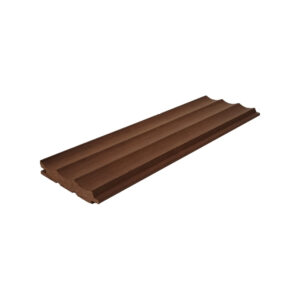
During treatment, the wood’s structure changes as water and resin are removed, and the wood takes on an elegant brown color throughout. The water vapor protects the wood from cracking and ignition while affecting the chemical changes in the wood. Finally, the temperature is returned to normal, resulting in beautiful, durable wood with a pleasant scent.
This process is completely non-toxic and ecological, using only heat and water vapor—no chemicals or preservatives. The resulting heat-treated wood has a significantly longer lifespan than untreated alternatives, reducing the need for replacement and minimizing waste over time.
Efficient manufacturing processes that minimize waste
Finnish sauna manufacturers have developed production methods that maximize resource efficiency while maintaining exceptional quality. Modern production lines are designed to optimize material usage, ensuring that as much of the raw timber as possible ends up in the final products.
Quality control is integrated throughout the manufacturing process. For example, many manufacturers incorporate both automated systems and manual inspection at critical stages. This attention to detail ensures that products meet high standards for durability and appearance, which in turn means they need replacement less frequently—an important factor in overall environmental impact.
Finnish production facilities often implement comprehensive waste management systems that capture and repurpose wood byproducts. Sawdust and wood chips can be used for energy production or converted into other useful products, creating a more circular manufacturing process.
The precision of Finnish manufacturing also reduces waste. Computer-controlled cutting and planing equipment minimize errors and optimize material usage. When combined with skilled craftsmanship, these technologies ensure that sauna components fit together perfectly, enhancing both quality and sustainability.
Recycled materials: innovative approaches in sauna design
Beyond traditional wood products, Finnish sauna manufacturers are incorporating recycled materials into their product ranges. Wood composite products represent one of the most successful innovations in this area.
These composites typically contain a significant percentage of recycled materials—often around 60% recycled wood fiber and 35% recycled plastic. The resulting material offers excellent durability and weather resistance for applications like terrace boards and fences, with minimal maintenance requirements.
The environmental benefits of these composites are substantial. By repurposing waste materials, manufacturers reduce demand for virgin resources and divert materials from landfills. The products themselves are completely non-toxic and safe for humans, animals, and the environment.
The durability of wood composites also contributes to sustainability. With lifespans measured in decades rather than years, these products reduce the resource consumption associated with frequent replacements of conventional materials.
Optimizing international shipping for lower emissions
For Finnish sauna manufacturers serving global markets, transportation represents a significant portion of their carbon footprint. To address this challenge, manufacturers implement several strategies to reduce shipping-related emissions.
Efficient packaging design is essential for minimizing transport volume and weight. By carefully engineering packaging solutions, manufacturers can fit more products into each shipment, reducing the total number of transport movements required.
Consolidation of shipments offers another opportunity for carbon reduction. By combining orders heading to the same region, manufacturers can maximize container or truck utilization and minimize partial-load shipments.
Careful transport planning also helps reduce environmental impact. This includes selecting shipping routes and methods with lower emissions and working with logistics partners who prioritize sustainability through modern, fuel-efficient vehicles and vessels.
These efforts extend beyond the shipment itself to include the entire logistics chain, from factory to final installation. By viewing shipping as an integrated system rather than isolated transport segments, Finnish manufacturers achieve meaningful reductions in their international carbon footprint.
Bringing Finnish sustainability to global sauna projects
At Pieksäwood, we’re proud to be part of Finland’s tradition of sustainable sauna manufacturing. Our production facility in Pieksämäki combines traditional Finnish woodworking knowledge with modern technology and responsibly sourced materials. We control our entire manufacturing chain, from sawing Finnish aspen at our own sawmill to heat treating in our modern facility and finally hand-checking every product before it leaves our workshop.
Our commitment to sustainability extends to all our products, including our recycled wood composite materials that contain 60% recycled wood fiber and 35% recycled plastic. These environmentally friendly alternatives have been successfully used in Finland for over a decade.
When you choose Finnish sauna materials for your international projects, you’re not just selecting superior quality and craftsmanship—you’re also making an environmentally responsible choice that respects our natural resources and helps reduce carbon emissions at every stage of production and delivery.