The wellness industry has evolved significantly over recent years, with greater emphasis placed on creating spaces that promote health in every aspect. Beyond aesthetics and functionality, the materials used in wellness facilities directly impact both user experience and long-term health outcomes. Choosing the right building materials for these spaces requires careful consideration of sustainability, safety, and performance characteristics that support overall wellbeing.
Why non-toxic materials matter in wellness environments
Wellness facilities represent spaces dedicated to health improvement and rejuvenation. Using toxic materials in these environments creates a fundamental contradiction – visitors seeking health benefits may be exposed to harmful substances that undermine their wellness goals.
Indoor air quality is particularly important in wellness spaces. Many conventional building materials release volatile organic compounds (VOCs) that can cause respiratory irritation, headaches, and other health issues. This becomes even more significant in wellness environments like saunas, steam rooms, or treatment areas where heat and humidity can accelerate the release of these compounds.
For staff who spend extended periods in these facilities, reducing exposure to potential toxins is essential for long-term health. Meanwhile, clients with existing health sensitivities or those pursuing detoxification may be particularly vulnerable to chemical exposures.
Beyond human health, non-toxic materials also support environmental wellness. The production, use, and eventual disposal of toxic materials can harm ecosystems and contribute to broader environmental degradation, contradicting the holistic wellness philosophy many facilities aim to promote.
What makes wood an ideal choice for healthy wellness spaces?
Wood stands out as an exceptional material for wellness environments due to its natural properties that align perfectly with health-focused spaces. As a renewable resource, wood offers significant environmental advantages over synthetic alternatives when sourced responsibly.
From a practical standpoint, wood provides natural temperature regulation – it feels warm to the touch rather than cold like many synthetic materials, creating a more comfortable and inviting experience. This characteristic is especially valuable in spaces where users may be barefoot or lightly dressed.
Wood also helps regulate humidity levels naturally, absorbing excess moisture when humidity is high and releasing it when conditions become drier. This creates more stable and comfortable indoor environments without requiring additional mechanical systems.
The aesthetic qualities of wood contribute to psychological wellbeing through biophilic design principles. Natural wood surfaces have been shown to reduce stress and promote feelings of calm and connection to nature – precisely the emotional states wellness facilities aim to cultivate.
Wood’s acoustic properties also benefit wellness environments by naturally dampening sound and reducing echo, creating more peaceful, private spaces for treatments and relaxation without requiring extensive additional soundproofing.
The benefits of thermally treated wood in wellness facilities
Thermal treatment transforms wood’s natural properties in ways particularly advantageous for wellness applications. This process involves heating wood to high temperatures (typically 175-210°C) in an oxygen-controlled environment with steam protection, fundamentally altering its cellular structure without introducing any chemicals.
The most significant benefit for wellness spaces is the elimination of chemical treatments. Traditionally, wood used in high-moisture areas required preservative treatments that often contained potentially harmful compounds. Thermally treated wood achieves superior moisture resistance without any chemical additives, creating truly non-toxic surfaces.
This treatment significantly improves dimensional stability, reducing the wood’s tendency to swell, shrink or warp with humidity changes – essential in environments like saunas where conditions fluctuate dramatically. The reduced moisture absorption also makes thermally treated wood less susceptible to fungi and decay, extending its lifespan in demanding wellness environments.
The aesthetic transformation during thermal treatment creates rich, warm tones throughout the wood, not just on the surface. This deeper coloration means scratches or wear don’t reveal untreated wood beneath, maintaining the facility’s refined appearance over time.
Perhaps most appealingly for sauna and spa environments, the thermal treatment process removes resins and pitch from the wood while creating a pleasant natural scent. This ensures surfaces remain comfortable to touch even at high temperatures without sticky residues or unpleasant odors.
Selecting sustainable wood species for different wellness areas
Different zones within wellness facilities have unique requirements that certain wood species meet particularly well. For sauna benches and interior surfaces, aspen and alder stand out as ideal choices.
Aspen offers exceptional thermal properties that make it perfect for surfaces that come into direct contact with skin. It conducts heat very slowly, meaning it doesn’t become uncomfortably hot in sauna environments. Its smooth surface texture further enhances comfort. Aspen contains no resin and very few knots, eliminating concerns about sticky surfaces or sharp edges in high-heat environments.
Alder shares many of aspen’s beneficial qualities while offering slightly different aesthetic options. Its natural appearance can range from light tan to reddish-brown, providing design flexibility. Like aspen, alder has excellent heat resistance and minimal resin content, making it suitable for sauna benches and interior paneling.
For exterior wellness areas or zones with extremely high moisture exposure, thermally treated radiata pine provides exceptional durability and resistance to environmental factors without requiring chemical treatments. Its enhanced stability makes it suitable for areas exposed to temperature fluctuations and moisture challenges.
When selecting wood species, consider both the technical requirements of the space and the sensory experience you want to create. Each wood species contributes different visual textures, scents, and tactile qualities that enhance the overall wellness experience.
How recycled materials contribute to healthier wellness spaces
Incorporating recycled materials into wellness facility design extends sustainability commitments while maintaining high performance standards. Wood composite products made from recycled materials offer particular benefits in specific applications.
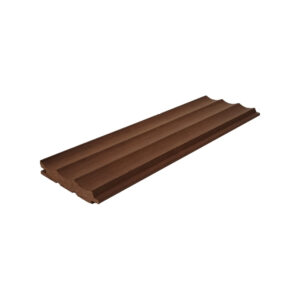
Modern wood composites combine recycled wood fibers with recycled plastics to create materials with unique advantages. The best composites contain high percentages of recycled content – up to 60% recycled wood fiber and 35% recycled plastic – significantly reducing environmental impact compared to virgin materials.
These composites excel in high-traffic exterior areas like terraces and decking surrounding pools, hot tubs, or outdoor relaxation zones. Their exceptional durability and resistance to moisture, UV damage, and temperature fluctuations minimize maintenance requirements while maintaining safety in wet areas.
From a health perspective, quality wood composites contain no toxic chemicals or treatments that might leach into the environment or affect users. This makes them safe choices around water features and areas where people will have direct skin contact with surfaces.
The dimensional stability of wood composites prevents warping or splintering over time, maintaining both safety and appearance in demanding wellness environments. Their consistent performance in varying conditions makes them particularly valuable for facilities in regions with extreme seasonal changes.
When selecting wood composites, verify that they’re made with non-toxic binding agents and contain truly recycled content rather than merely “recyclable” materials to ensure they align with wellness-focused values.
At Pieksäwood, we understand the importance of creating healthy, sustainable wellness environments. Our thermally treated wood products for wellness and environmentally friendly wood composites provide safe, beautiful solutions for saunas and wellness facilities. We combine traditional Finnish wood expertise with modern production technology, ensuring both outstanding quality and environmental responsibility in every product we create.