When planning a large-scale sauna project for a commercial space or upscale residence, material selection dramatically impacts the final result. While smaller home saunas might function adequately with standard materials, larger projects face unique challenges that make wood quality particularly important. The difference between ordinary wood and premium knot-free, resin-free timber isn’t just aesthetic—it affects everything from safety and maintenance to user experience and long-term costs.
How wood quality affects large-scale sauna performance
Large sauna spaces create more demanding conditions for wood materials than small home installations. The expanded surface area means more wood is exposed to the harsh cycle of heat and humidity that defines the sauna environment. This makes material selection even more critical.
In commercial and large residential settings, saunas typically see more frequent use, higher temperatures, and greater temperature fluctuations. These conditions put tremendous stress on wood components. Lower-quality wood will respond to these stresses by warping, cracking, or deteriorating faster than premium materials.
Maintenance requirements increase significantly with inferior wood quality. When a commercial sauna needs repairs or replacement panels, the downtime affects business operations and customer satisfaction. For hospitality venues and wellness facilities, this translates directly to lost revenue.
User experience is another consideration. Large saunas accommodate more people simultaneously, which means more body contact with benches and walls. Wood that retains heat uncomfortably or splinters easily creates a poor experience for users, especially in premium commercial settings where expectations are high.
Why knots and resin create problems in sauna environments
Knots and resin pockets might seem like minor imperfections, but in sauna environments, they become significant liability factors. When wood containing knots and resin is repeatedly heated to high temperatures, these elements respond differently than the surrounding wood fiber.
Knots create several specific problems in sauna environments:
- They heat unevenly, often becoming much hotter than surrounding wood, creating uncomfortable or even unsafe hot spots on seating surfaces
- They loosen over time with heat expansion and contraction cycles, potentially falling out and leaving holes
- They create structural weak points that can lead to cracking and splintering
- They absorb moisture differently, accelerating decay around the knot area
Resin presents its own challenges in the sauna environment:
- When heated, resin can seep to the surface, creating sticky areas that are uncomfortable to touch
- Resin can emit strong odours when heated, affecting the sauna experience
- It can discolour over time, creating unattractive stains and spots
- In extreme cases, heated resin can cause minor burns if it contacts skin
These issues become particularly problematic in commercial settings where saunas operate at higher temperatures for longer periods. Over time, knots and resin turn into maintenance headaches that require constant attention and eventual replacement of affected components.
Benefits of knot-free and resin-free wood in commercial settings
Investing in premium knot-free and resin-free wood for commercial sauna projects delivers significant advantages that justify the initial higher material cost. The benefits extend across multiple aspects of sauna operation and ownership.
From a longevity perspective, knot-free and resin-free wood provides substantially extended service life. The uniform structure resists the stresses of heating and cooling cycles more effectively, maintaining structural integrity for years longer than wood with knots and resin pockets.
Maintenance costs decrease significantly with premium wood materials. The reduction in warping, cracking, and deterioration means fewer repair requirements and less frequent replacement of components. For commercial operations, this translates to less downtime and lower ongoing costs.
The aesthetic quality of knot-free wood creates a superior appearance that communicates luxury and attention to detail—important considerations for high-end spas, hotels, and wellness centres. The consistent, elegant look maintains its appeal even after years of use.
User experience improves markedly with premium wood. Benches remain comfortable to the touch without hot spots from knots or sticky residue from resin. This level of comfort is particularly important for commercial settings where customer satisfaction directly impacts business success.
Which wood types perform best for knot-free sauna applications
When selecting wood for knot-free sauna applications, certain species naturally outperform others. Heat-treated aspen and alder wood products stand out as exceptional choices for large sauna projects.
Aspen offers an ideal combination of properties for sauna use: it naturally contains minimal knots and resin, has low thermal conductivity (meaning it doesn’t get uncomfortably hot to the touch), and offers excellent dimensional stability. When heat-treated, these properties are further enhanced.
Alder shares many of aspen’s beneficial characteristics while providing a slightly different aesthetic appeal. It too responds exceptionally well to heat treatment, which enhances its already impressive stability and durability.
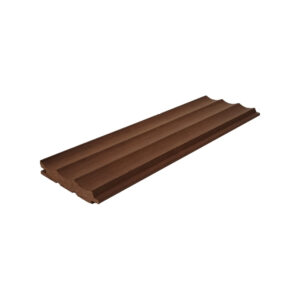
The heat treatment process itself transforms ordinary wood into an exceptional sauna material. During treatment, the wood is dried completely by raising its temperature to 100°C. The temperature is then slowly increased to 175-210°C for 1.5-3 days, depending on the wood species, thickness, and desired shade. Throughout this process, water and resin are removed from the wood, and it gains a stylish brown colour throughout its structure.
This process creates significant improvements in the wood’s properties:
- Enhanced resistance to moisture and humidity fluctuations
- Improved dimensional stability with less warping and cracking
- Elimination of resin that could otherwise seep out during sauna use
- Creation of a pleasant, natural wood aroma
Heat-treated radiata pine is another excellent option for sauna applications when properly processed to eliminate knots and resin. It provides another aesthetic choice while maintaining the performance characteristics needed for sauna environments.
How to evaluate wood quality for your next sauna project
When sourcing materials for a large sauna project, knowing how to assess wood quality is essential. Here are key factors to evaluate when selecting wood for your project:
- Visual assessment: Examine the wood for obvious knots, resin pockets, and inconsistencies. Premium sauna wood should have a uniform appearance and consistent grain pattern.
- Manufacturing process: Inquire about how the wood is processed. Quality manufacturers will have specific procedures for selecting, cutting, and treating wood to ensure knot-free and resin-free results.
- Heat treatment specifications: For heat-treated wood, ask about the specific temperature and duration used in the process. Proper heat treatment requires precise control to achieve optimal results.
- Moisture content: Verify that the wood has been properly dried to a moisture content appropriate for sauna use, typically between 6-8%.
- Source transparency: Quality suppliers should be able to tell you where their wood comes from and how it’s harvested.
When speaking with suppliers, ask these specific questions:
- “What grade of wood is this, and what is your knot classification system?”
- “Can you provide samples that represent the actual quality I’ll receive?”
- “What is your quality control process for ensuring consistent, knot-free boards?”
- “What temperature ranges will this wood tolerate without deterioration?”
- “Do you manufacture the entire production chain or just resell materials?”
At Pieksäwood, we have over 75 years of experience as a Finnish family company, with 20 years specifically focused on heat treatment, particularly for aspen and alder. Our modern production line ensures products meet high quality standards, and we control the entire manufacturing chain for our aspen products at our facility in Pieksämäki, Finland. This allows us to provide truly superior knot-free and resin-free wood materials that deliver exceptional performance in even the most demanding large-scale sauna projects.