Heat-treated wood has become increasingly popular among builders, designers, and homeowners who want the natural beauty of wood combined with enhanced durability and performance. This specialized treatment process transforms regular wood into a more stable, moisture-resistant material that maintains its natural appearance while gaining superior longevity.
Understanding the advantages of heat-treated wood helps you make informed decisions for your construction and design projects, whether you’re working on saunas, outdoor applications, or interior spaces that demand both beauty and resilience.
What is heat-treated wood, and how is it made?
Heat-treated wood is lumber that has undergone a controlled thermal modification process using high temperatures and steam to alter its cellular structure. The treatment involves heating wood to temperatures between 175 and 210 degrees Celsius for 1.5 to 3 days, depending on the wood species, thickness, and desired color intensity.
The heat-treatment process begins by rapidly heating the lumber to 100 degrees Celsius to completely dry the wood. Once fully dried, the temperature slowly rises to the target range of 175 to 210 degrees. Steam and hot air regulate this process, protecting the wood from cracking and combustion while facilitating chemical changes within the wood structure.
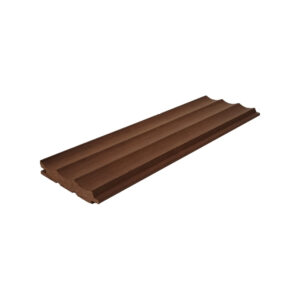
During treatment, water and resin naturally exit the wood, causing the material to develop its characteristic rich brown color and pleasant wood aroma. The steam serves multiple purposes: it prevents splitting, reduces fire risk, and influences the chemical transformations occurring within the wood fibers. After the heating cycle is complete, the temperature gradually returns to normal, leaving behind beautifully colored, durable wood ready for use.
Why is heat-treated wood more durable than regular wood?
Heat-treated wood achieves superior durability because the thermal process fundamentally changes its cellular structure, removing moisture and resins that typically contribute to decay and dimensional instability. The high-temperature treatment breaks down hemicellulose, a component that provides food for fungi and insects.
This structural modification creates wood that resists biological degradation more effectively than untreated lumber. The removal of natural sugars and nutrients during the heating process eliminates food sources that attract wood-destroying organisms. Additionally, the altered cell structure becomes less hospitable to moisture absorption, which further reduces the conditions that promote rot and decay.
The durability improvements extend the wood’s lifespan significantly, making it suitable for applications where regular wood might deteriorate quickly. This enhanced longevity proves particularly valuable in humid environments like saunas or areas with fluctuating moisture conditions.
How does heat treatment improve wood’s moisture resistance?
Heat treatment dramatically improves wood’s moisture resistance by reducing its hygroscopic properties, meaning the wood absorbs and releases moisture more slowly and to a lesser degree than untreated wood. The thermal process alters the wood’s cell wall structure, decreasing its ability to absorb water from the surrounding environment.
During the heating process, the wood’s internal structure becomes more stable and less reactive to humidity changes. This stability translates to reduced swelling and shrinking cycles that typically cause warping, cupping, and splitting in regular lumber. The modified cellular structure creates a natural barrier against moisture penetration.
This improved moisture resistance makes heat-treated wood particularly valuable for applications where humidity levels fluctuate dramatically. The wood maintains its dimensional stability even when exposed to varying moisture conditions, reducing maintenance requirements and extending the material’s useful life in challenging environments.
What are the environmental benefits of heat-treated wood?
Heat-treated wood offers significant environmental advantages because the treatment process uses only heat and steam, completely avoiding toxic chemicals, preservatives, or synthetic additives. This natural modification method creates a non-toxic product that remains safe for humans, animals, and the environment throughout its life cycle.
The ecological manufacturing process eliminates the need for chemical preservatives that can leach into soil or groundwater over time. Since no harmful substances are introduced during treatment, the wood remains completely biodegradable at the end of its useful life. The process also extends the wood’s lifespan, reducing the frequency of replacement and the associated environmental impact of harvesting new timber.
Additionally, heat treatment allows lower-grade wood species to achieve performance levels that typically require tropical hardwoods or chemically treated lumber. This capability reduces pressure on old-growth forests and eliminates the environmental concerns associated with chemical wood treatments.
Where should you use heat-treated wood instead of regular wood?
Heat-treated wood works best in applications where moisture exposure, dimensional stability, and longevity are priorities, including saunas, bathrooms, outdoor structures, and areas with significant humidity fluctuations. The enhanced moisture resistance and stability make it superior to regular wood in these demanding environments.
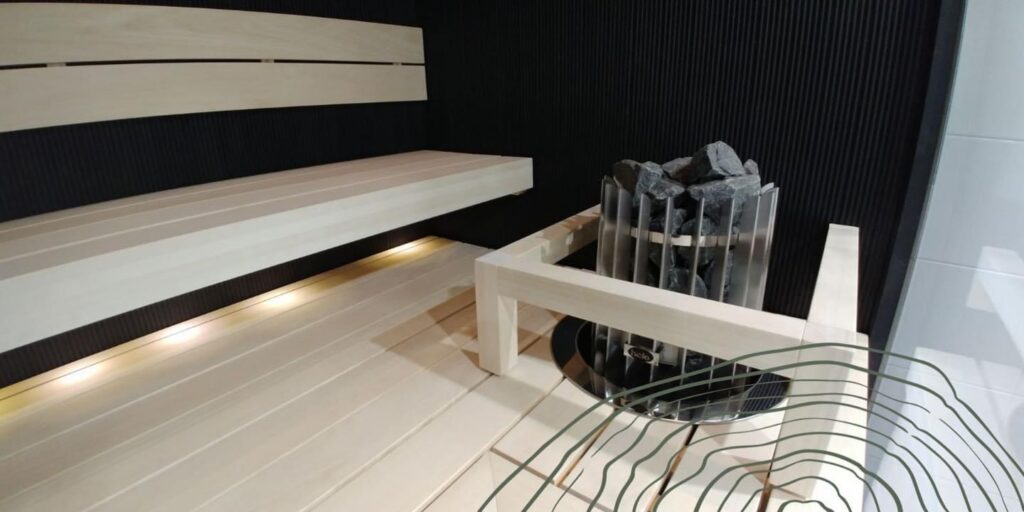
Saunas are an ideal application for heat-treated wood, particularly for benches and paneling, where the material must withstand extreme temperature and humidity cycles. The smooth surface of heat-treated wood remains comfortable even in high heat, while its stability prevents warping and splitting that commonly affect regular lumber in sauna conditions.
Other suitable applications include exterior cladding, decking components, bathroom installations, and any interior space where humidity levels vary significantly. The wood’s enhanced durability also makes it valuable for commercial installations where maintenance access is difficult or costly. However, for standard interior applications in climate-controlled environments, regular wood often provides adequate performance at a lower cost.
At Pieksäwood, we specialize in heat-treated aspen and alder products, processing all our lumber in our modern heat-treatment facility in Pieksämäki, Finland. Our 20 years of experience in thermal modification ensure consistent quality and performance in every product we deliver, from sauna benches to interior paneling, all manufactured using only heat and steam in our completely non-toxic process.
Ready to discover the benefits of heat-treated wood for your project?
Whether you’re planning a sauna installation, designing outdoor structures, or seeking durable solutions for moisture-prone areas, our heat-treated wood products deliver the performance and longevity your project demands. With two decades of thermal modification expertise and a commitment to environmentally responsible manufacturing, we’re ready to help you select the perfect wood solution. Contact our team today to discuss your specific requirements and learn how our heat-treated aspen and alder can enhance your next construction or design project.