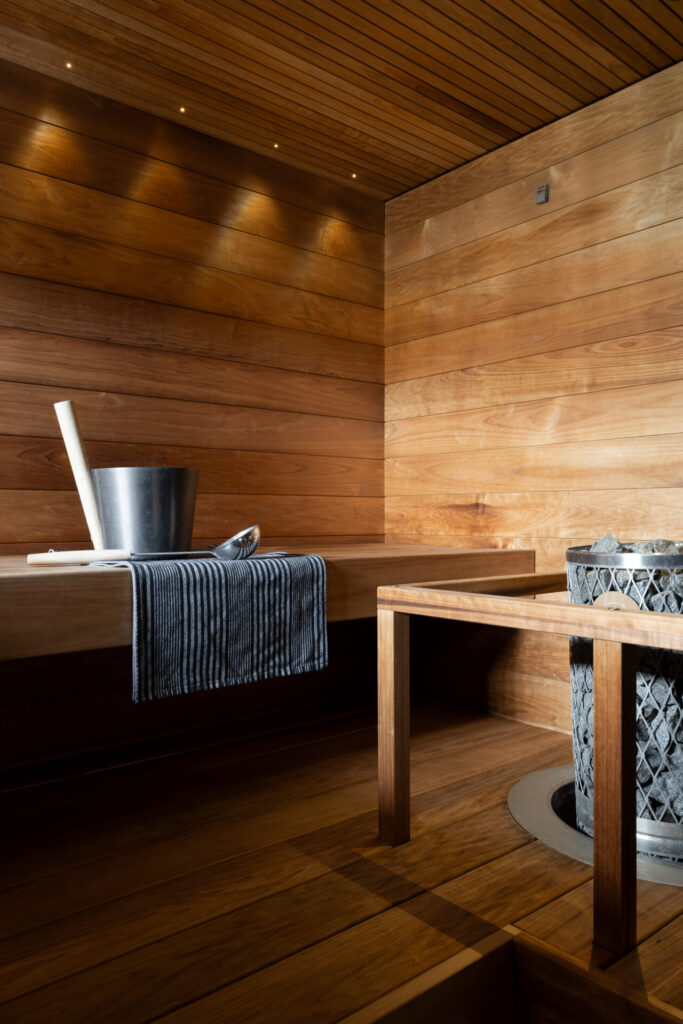
Sauna wellness is far more than relaxation. It is a practice with measurable physical, mental, and physiological effects that accumulate over time and contribute meaningfully to long-term health. The benefits apply broadly, from casual bathers to dedicated enthusiasts, and the science behind them is increasingly well understood. Below, we answer the most common questions about sauna health benefits so you can make the most of every session.
What actually happens to your body during a sauna session?
During a sauna session, your body responds to intense heat much like it does during moderate physical exercise. Your heart rate rises, blood vessels dilate, and your core temperature increases. Sweat glands activate to cool the body, and circulation improves significantly throughout the session. These responses are not passive comfort reactions but active physiological processes.
Within the first few minutes of entering a sauna, skin temperature climbs rapidly, triggering the hypothalamus to regulate body temperature. Blood is redirected toward the skin surface to aid cooling, which means your cardiovascular system works harder. Heart rate can increase to levels comparable to a brisk walk or light jog, making sauna bathing a genuinely cardiovascular activity, not just passive rest.
Sweating is another central mechanism. The body expels fluid at a significant rate during a session, and this process supports the removal of metabolic waste products through the skin. Muscles also relax as heat penetrates deeper tissue layers, which is why many people experience relief from tension and minor aches after bathing. The body’s heat shock proteins are also activated, and they play a role in cellular repair and stress response.
How does regular sauna use affect long-term health?
Regular sauna use, practiced consistently over months and years, is associated with meaningful long-term health benefits, including improved cardiovascular function, reduced inflammation, and better thermoregulatory efficiency. The key word is consistency: occasional sessions provide short-term relief, but the deeper benefits emerge through habitual practice.
Cardiovascular health is one of the most studied areas of sauna therapy. Repeated heat exposure trains blood vessels to dilate and contract more efficiently, supporting healthy blood pressure and circulation over time. Research from Nordic countries, where sauna culture is deeply embedded, has consistently pointed to associations between frequent sauna use and reduced cardiovascular risk among regular bathers.
Musculoskeletal recovery is another long-term benefit. People who use saunas regularly after physical activity often report faster muscle recovery and reduced soreness. The heat promotes blood flow to fatigued muscle tissue and supports the removal of lactic acid. Over time, this can contribute to better physical performance and reduced injury risk for active individuals.
Immune function may also benefit. Heat stress activates the immune system in ways that can strengthen the body’s defenses when the practice is sustained. While sauna bathing is not a medical treatment, its role as a complementary wellness practice for long-term health is well supported by both tradition and growing clinical interest.
What are the mental health benefits of sauna bathing?
Sauna bathing supports mental health by reducing stress hormones, promoting relaxation, and triggering the release of mood-regulating neurochemicals. The combination of heat, quiet, and physiological calm creates conditions that are genuinely restorative for the nervous system, not just pleasant on a surface level.
The heat of a sauna activates the parasympathetic nervous system, the part responsible for rest and recovery, which counters the effects of chronic stress. Cortisol levels, a primary marker of stress, tend to decrease during and after sauna sessions. At the same time, the body releases endorphins, natural compounds that elevate mood and reduce the perception of pain.
Sauna relaxation also provides a form of enforced mental stillness. In a world of constant stimulation, the sauna is one of the few environments where sitting quietly without a screen or distraction feels natural and expected. This enforced pause can reduce mental fatigue and improve focus after the session ends.
For people managing mild anxiety or low mood, regular sauna use may serve as a meaningful part of a broader wellness routine. The ritual itself, the preparation, the heat, the cooling, the recovery, creates a structured moment of self-care that many people find grounding and stabilizing over time.
What’s the difference between traditional Finnish sauna and infrared sauna?
The key difference between traditional Finnish sauna and infrared sauna is how they generate heat. A traditional Finnish sauna heats the air around you using a wood-burning or electric stove, often with steam created by pouring water over hot stones. An infrared sauna uses infrared light panels to heat the body directly without significantly warming the surrounding air.
Traditional Finnish sauna
In a traditional Finnish sauna, temperatures typically reach between 80 and 100 degrees Celsius. The heat is ambient, meaning the entire room becomes hot and you breathe warm, humid air, especially when löyly (steam) is added. This is the oldest and most culturally rooted form of sauna therapy, practiced in Finland for thousands of years. The combination of high heat and steam creates intense physiological responses that are difficult to replicate with other methods. What makes Scandinavian sauna design unique is deeply connected to this traditional approach and the principles behind it.
Infrared sauna
Infrared saunas operate at much lower air temperatures, typically between 45 and 65 degrees Celsius, because the infrared panels heat the body directly rather than the surrounding air. Proponents argue that this allows for deeper tissue penetration at lower ambient temperatures, making the experience more accessible for people who find traditional sauna heat uncomfortable. However, the overall physiological effects differ from those of a traditional sauna, and the cultural and sensory experience is quite distinct.
For sauna wellness in its most traditional sense, the Finnish sauna remains the benchmark. The ritual of löyly, the wooden environment, and the social and cultural dimension of Finnish sauna bathing are elements that infrared technology does not replicate.
How often should you use a sauna to get health benefits?
Most evidence and traditional practice suggest that using a sauna two to four times per week is enough to experience meaningful health benefits. Daily use is practiced by many regular bathers without adverse effects, but even two sessions per week can support cardiovascular health, stress reduction, and muscle recovery over time.
Frequency matters more than session length for long-term benefits. A 15 to 20 minute session several times per week is generally more beneficial than one very long session once a week. The body adapts to heat stress progressively, and regular exposure allows the cardiovascular and thermoregulatory systems to become more efficient.
Individual factors such as age, fitness level, and health conditions should guide how often and how intensely you use a sauna. Beginners are advised to start with shorter sessions at moderate temperatures and build up gradually. People with cardiovascular conditions or other health concerns should consult a healthcare professional before establishing a regular sauna routine.
Hydration is a practical consideration for frequency. Because sauna bathing causes significant fluid loss through sweating, drinking adequate water before and after each session is essential, especially for those bathing multiple times per week.
What materials make a sauna healthier and more enjoyable?
The materials used inside a sauna directly affect both the health experience and the quality of each session. The best sauna materials are heat-resistant, non-toxic, smooth to the touch, and capable of managing moisture without warping or releasing harmful compounds. Wood is the traditional and still superior choice, and not all woods perform equally in sauna conditions.
Aspen and black alder are widely regarded as the finest sauna woods. Both are knot-free and resin-free, which means they do not release sticky or irritating compounds when heated. Their surfaces remain smooth and comfortable even at high temperatures, and they handle the repeated cycle of heat and moisture exceptionally well. These qualities make them the preferred choice for sauna benches in particular, where skin contact is constant and the heat is most intense.
We use high-quality aspen and black alder as the primary raw materials for our sauna benches and panels, both in their natural form and as thermally modified wood. Thermal modification enhances the natural durability and moisture resistance of the wood through a heat treatment process that uses no chemicals, making it a genuinely healthy and long-lasting option for sauna interiors.
Beyond the wood species, the quality of the milling and finishing matters significantly. Rough or poorly finished surfaces can cause discomfort and splinters, while precisely planed and hand-inspected boards create the smooth, even surface that makes a sauna genuinely pleasant to use. The difference between a well-built sauna and a mediocre one often comes down to the care taken at this level of production.