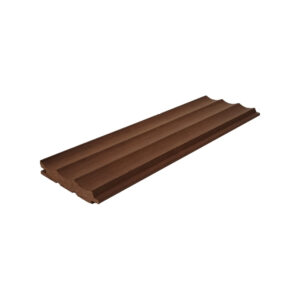
Heat-treated wood, particularly aspen and alder, represents the optimal choice for sauna construction due to its superior moisture resistance, dimensional stability, and enhanced durability in high-temperature environments. The heat treatment process transforms these Nordic woods into premium sauna materials that resist warping, cracking, and moisture absorption while developing an attractive, rich brown colour and pleasant aroma.
What is heat-treated wood and why does it matter for saunas?
Heat-treated wood undergoes a controlled thermal modification process that fundamentally alters its cellular structure, making it exceptionally well suited to sauna environments where extreme temperature fluctuations and high humidity levels challenge ordinary timber.
The heat treatment process involves raising the wood temperature to between 175–210 degrees Celsius for 1.5 to 3 days, depending on the species and desired characteristics. This thermal modification occurs in a controlled environment using steam and hot air, which protects the wood from cracking and combustion while facilitating crucial chemical changes within the timber structure.
During this process, water and resin are expelled from the wood fibres, resulting in a significantly reduced moisture absorption capacity. The steam acts as a protective barrier while influencing the chemical transformations that give heat-treated wood its distinctive properties. This treatment is completely non-toxic and ecological, using only heat and steam without any chemical additives.
For sauna applications, these modifications translate into practical benefits: the wood maintains its dimensions better under temperature stress, resists moisture-related deterioration, and develops enhanced durability. The treatment also produces an attractive, rich brown colouration and a pleasant natural wood aroma that enhances the sauna experience.
Which wood species work best for heat treatment in saunas?
Aspen and alder stand out as the premier choices for heat-treated sauna wood, each offering distinct advantages that make them ideal for thermal modification and sauna applications.
Aspen naturally possesses a smooth, pleasant surface that remains comfortable even during intense sauna sessions. Its low density and minimal resin content make it particularly responsive to heat treatment, resulting in excellent dimensional stability and moisture resistance. The species’ naturally light colour transforms beautifully during thermal modification, developing an elegant brown patina while maintaining its smooth texture.
Alder shares many of aspen’s beneficial characteristics, offering similar comfort properties and an excellent response to heat treatment. Both species are naturally knot-free and resin-free, eliminating concerns about hot spots or sticky surfaces that can occur with resinous woods like pine or spruce.
These Nordic hardwoods excel in sauna environments because they conduct heat slowly, preventing uncomfortable surface temperatures even during high-temperature sessions. Their cellular structure responds particularly well to the thermal modification process, achieving optimal moisture resistance and dimensional stability.
Radiata pine is also used in some heat-treated sauna applications, though it requires more careful processing due to its resin content. When properly heat-treated, it can provide an alternative option for specific sauna components.
How does heat treatment change wood properties for sauna use?
Heat treatment creates fundamental physical and chemical changes that dramatically improve wood performance in sauna conditions, primarily through moisture content reduction and cellular structure modification.
The thermal process expels both free and bound water from the wood fibres, significantly reducing the material’s capacity to absorb moisture from humid sauna air. This reduced hygroscopicity means heat-treated wood experiences minimal dimensional changes when exposed to the extreme humidity fluctuations typical in sauna environments.
Chemical modifications occur as lignin and hemicellulose components undergo thermal degradation, creating a more stable wood structure. These changes reduce the wood’s ability to support fungal growth and improve its resistance to biological deterioration, important factors in the warm, humid sauna environment.
The treatment also relieves internal stresses within the timber, reducing the tendency for warping, twisting, or cracking under temperature stress. This stress relief, combined with the modified cellular structure, results in superior dimensional stability compared to untreated wood.
Additionally, the process removes volatile organic compounds and reduces the wood’s natural movement characteristics. The result is timber that maintains its shape and appearance throughout years of sauna use, with enhanced resistance to the splitting and checking that commonly affect untreated wood in high-stress environments.
What should you look for when choosing heat-treated sauna wood?
Quality heat-treated sauna wood should display a consistent rich brown colouration throughout, indicating proper thermal treatment, along with precise milling and a smooth surface finish that meets demanding sauna application requirements.
Examine the wood’s colour uniformity as an indicator of treatment quality. Properly heat-treated timber shows even brown tones without light patches or streaks that might indicate incomplete processing. The colour should penetrate throughout the wood thickness, not just remain on the surface.
Surface quality matters significantly for sauna applications. Look for high-quality heat-treated wood products that have been carefully planed and inspected, with smooth surfaces free from machining marks, tear-out, or rough patches. The milling should be precise, ensuring consistent dimensions that facilitate proper installation and an attractive finished appearance.
Consider the source and processing standards. Quality heat-treated sauna wood should come from facilities with modern thermal treatment equipment that can maintain consistent temperatures and processing conditions. The treatment process should be completely chemical-free, using only controlled heat and steam.
Verify that the wood species is appropriate for sauna use. Aspen and alder remain the preferred choices due to their natural properties and excellent response to heat treatment. Check that the timber is knot-free and resin-free, ensuring comfortable use even during high-temperature sauna sessions.
Pay attention to packaging and handling, as quality producers protect their heat-treated products during transport to maintain the surface finish and prevent damage that could compromise the wood’s performance in your sauna project.
Choosing the right heat-treated wood transforms your sauna experience through superior durability, stability, and comfort. Whether you are building a new sauna or renovating an existing one, investing in properly heat-treated aspen or alder ensures years of reliable performance in demanding sauna conditions. We at Pieksäwood combine over 20 years of heat treatment expertise with complete control over our production process, from our own aspen sawmill through thermal treatment to final planing and packaging, ensuring that you receive the highest-quality heat-treated sauna materials manufactured in Pieksämäki, Finland. For more information about our products and services, contact our wood specialists.