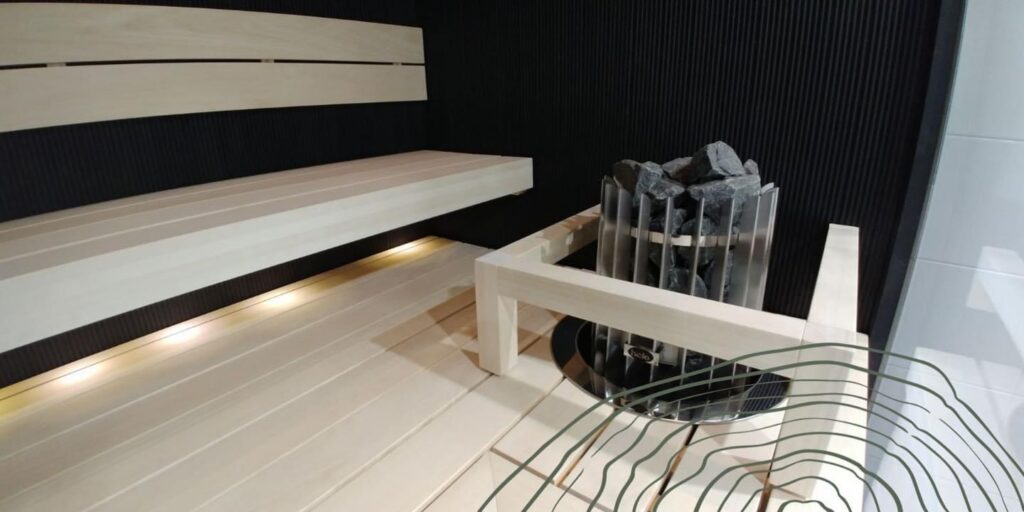
Traditional Finnish sauna bathing offers meaningful cardiovascular benefits, including improved circulation, lower resting blood pressure, and reduced strain on the heart over time. These effects occur because repeated heat exposure trains the cardiovascular system in ways that closely resemble moderate aerobic exercise. The sections below answer the most common questions about sauna and heart health, from how the heat works to who should approach it with caution.
How does sauna heat affect the cardiovascular system?
Sauna heat causes the body to work hard to regulate its core temperature, triggering a cascade of cardiovascular responses. Heart rate rises, blood vessels near the skin dilate, and cardiac output increases significantly. This response mirrors what happens during light to moderate physical exercise, making the cardiovascular system more efficient over time with regular use.
When you sit in a traditional Finnish sauna, the ambient temperature typically ranges between 80 and 100 degrees Celsius. Your body responds by redirecting blood flow toward the skin to release heat. This peripheral vasodilation reduces vascular resistance, meaning the heart pumps more blood with less effort against that resistance. Core body temperature rises by one to two degrees, and heart rate can increase to between 100 and 150 beats per minute during a typical session.
This thermally induced cardiovascular workout is one reason researchers and physicians have long been interested in the health implications of regular sauna use. The repeated stress and recovery cycle appears to condition the heart and blood vessels in ways that benefit long-term cardiovascular function, much like the conditioning effect of consistent physical activity.
Does regular sauna use lower blood pressure?
Yes, regular sauna bathing is associated with lower blood pressure over time. The primary mechanism is improved endothelial function, meaning the inner lining of blood vessels becomes better at relaxing and dilating. This makes arteries more flexible and reduces the resistance the heart works against, which translates to lower resting blood pressure readings in habitual sauna users.
The effect is most pronounced in people who sauna frequently rather than occasionally. A single session produces a temporary drop in blood pressure as vessels dilate, but the lasting benefit comes from consistent, repeated exposure. Industry experience and a growing body of research suggest that sauna use several times per week over months is when meaningful reductions in resting blood pressure become apparent.
It is worth noting that sauna is not a replacement for medical treatment of hypertension. However, for people managing mild to moderate high blood pressure alongside other lifestyle changes, regular sauna bathing can be a supportive habit that reinforces the effects of diet, exercise, and stress reduction.
How often should you sauna to see heart health benefits?
To see meaningful heart health benefits, sauna bathing two to four times per week appears to be the threshold where cardiovascular effects become consistent. Occasional use, such as once per week or less, still provides relaxation and short-term circulatory benefits, but the cumulative conditioning effect on the cardiovascular system becomes more pronounced with greater frequency.
Session duration also matters. Most research on sauna health benefits focuses on sessions lasting between 15 and 20 minutes at traditional Finnish sauna temperatures. Shorter sessions at lower temperatures produce fewer physiological demands and likely fewer long-term adaptations. The cooling period between rounds is also important, as it allows the cardiovascular system to recover and adapt, reinforcing the conditioning effect.
For people new to sauna bathing, starting with shorter sessions and lower temperatures and building up gradually is the sensible approach. The goal is consistent, sustainable exposure rather than intensity. Over weeks and months, the body adapts and the cardiovascular benefits accumulate.
Is sauna bathing safe for people with heart conditions?
For most people with stable, well-managed heart conditions, traditional sauna bathing is considered safe and may even be beneficial. However, people with unstable angina, severe heart failure, or a recent cardiac event should avoid sauna until cleared by a physician. The key distinction is stability: a well-controlled condition is very different from an acute or unstable one.
The cardiovascular demands of sauna are real. Heart rate rises, blood pressure fluctuates, and the body works to thermoregulate. For someone with a healthy or well-managed heart, this is a manageable and beneficial stress. For someone whose heart is under acute strain, it introduces an additional load that could be harmful.
People with pacemakers, those taking certain medications that affect heart rate or blood pressure, and anyone who has had a recent cardiac procedure should consult their doctor before using a sauna regularly. The advice is not to avoid sauna permanently but to get an informed, personalised assessment before beginning or resuming a sauna routine.
What’s the difference between Finnish sauna and infrared sauna for heart health?
The key difference is how heat is delivered and how deeply it penetrates the body. Traditional Finnish sauna heats the air around you to high temperatures, typically 80 to 100 degrees Celsius, causing the body to respond to extreme ambient heat. Infrared sauna uses radiant heat at lower air temperatures, around 45 to 60 degrees Celsius, with infrared waves warming body tissue more directly. Both raise core temperature and heart rate, but the physiological intensity differs.
Traditional Finnish sauna produces a more intense cardiovascular response because the high ambient temperature demands more aggressive thermoregulation. The heart works harder and the circulatory response is more pronounced. This is the sauna tradition with the longest history of use and the most accumulated evidence behind its health associations, reflecting what makes Scandinavian sauna design unique.
Infrared sauna is often better tolerated by people who find high temperatures uncomfortable or who have conditions that make extreme heat more challenging. It still produces circulatory benefits and raises heart rate, but the stimulus is gentler. For heart health specifically, traditional Finnish sauna remains the more studied and historically validated option, though infrared sauna is a reasonable alternative for those who cannot tolerate the higher temperatures.
Can sauna bathing reduce the risk of cardiovascular disease?
Regular sauna bathing is associated with a reduced risk of cardiovascular disease, including coronary heart disease and cardiovascular-related mortality. The association is strongest among people who sauna frequently, several times per week, over many years. The mechanisms that explain this link include improved blood vessel function, lower resting blood pressure, reduced arterial stiffness, and better stress hormone regulation.
Finland has one of the highest rates of sauna use in the world, and Finnish researchers have contributed significantly to understanding the relationship between sauna habits and long-term cardiovascular health. The evidence points to sauna as one component of a heart-healthy lifestyle, not a standalone intervention. Its benefits are most meaningful when combined with regular physical activity, a balanced diet, and good sleep.
The quality of the sauna environment also plays a role in how consistently and comfortably people use it. A well-built sauna with quality materials, proper ventilation, and good heat retention makes regular use more enjoyable and sustainable. We at Pieksäwood craft sauna benches and panels from Finnish aspen and alder, materials chosen specifically because they stay comfortable to the touch even at high temperatures, making the kind of regular, long-term sauna bathing that supports cardiovascular health a genuinely pleasant habit to maintain. Our range of Finnish wood products for sauna is crafted with the same commitment to quality and comfort.