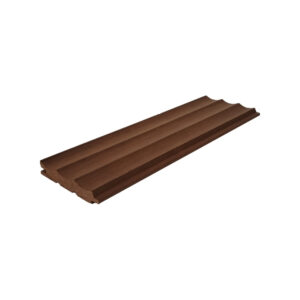
Material choices are one of the most decisive factors in how long a sauna lasts. The right wood species, combined with proper moisture resistance and minimal surface treatment, can keep a sauna performing beautifully for decades. The wrong choices lead to warping, cracking, and discoloration within just a few years. The sections below unpack each key question so you can make informed decisions from the start.
Which wood species last longest in sauna conditions?
Aspen and black alder are the most durable wood species for sauna use. Both are naturally knot-free and resin-free, which means they stay dimensionally stable under repeated heat and humidity cycles, resist surface burning, and remain comfortable to the touch even at high temperatures. These qualities make them the benchmark for sauna longevity.
Aspen, in particular, has an exceptionally low resin content, so it does not emit sticky or harmful substances when heated. Its smooth, even surface resists cracking and splintering over time. Black alder shares many of the same characteristics and carries a warm, attractive tone that deepens naturally with age. Both species tolerate the constant swing between dry heat and steam far better than softwoods like pine, which can bleed resin and develop rough grain as the wood expands and contracts.
Thermally modified radiata pine is another viable option when treated correctly. Thermal modification removes much of the resin and improves stability, making it a practical alternative for those seeking a different aesthetic or price point.
What does thermally modified wood mean for sauna durability?
Thermally modified wood is wood that has been heat-treated at temperatures between roughly 160 and 230 degrees Celsius in a controlled, oxygen-reduced environment. This process permanently changes the wood’s cellular structure, dramatically reducing moisture absorption, improving dimensional stability, and extending the material’s service life in demanding conditions like saunas.
The modification works by breaking down the hemicellulose in the wood, which is the component most responsible for absorbing water. Once removed, the wood becomes far less reactive to humidity changes. In a sauna environment where moisture levels swing dramatically every session, this stability directly translates to fewer cracks, less warping, and a longer-lasting surface.
We have over 20 years of experience with thermal modification, working primarily with aspen and black alder. The process is carried out in our own modern facility in Pieksämäki, Finland, giving us full control over quality at every stage. Thermally modified aspen and alder retain all the comfort advantages of the untreated species while gaining significantly enhanced resistance to the stresses of regular sauna use.
How does moisture resistance affect sauna panel lifespan?
Moisture resistance is the single most important factor in sauna panel lifespan. Panels that absorb and release moisture unevenly will warp, crack, and pull away from fixings over time. Wood species and modification methods that minimize moisture uptake keep panels flat, tight, and structurally sound through years of repeated steam cycles.
In a typical sauna session, relative humidity can spike sharply and then drop back as the room cools. Wood that absorbs this moisture quickly and releases it slowly creates internal stress within the panel. Over hundreds of sessions, this stress accumulates and eventually causes the wood to split along the grain or cup across its width.
Aspen and black alder naturally absorb less moisture than many other species, and thermally modified versions of these woods perform even better. The combination of species selection and thermal treatment gives panels the best possible foundation for long-term moisture resistance without relying on surface coatings that can degrade or peel.
Does surface treatment extend or shorten a sauna’s lifespan?
In most cases, surface treatments shorten a sauna’s functional lifespan rather than extending it. Varnishes, lacquers, and film-forming sealants trap moisture inside the wood, prevent natural breathability, and create surfaces that peel, blister, or discolor under sauna heat. Untreated or lightly oiled wood generally outlasts treated surfaces in genuine sauna conditions.
The sauna environment is fundamentally incompatible with most surface coatings. High temperatures cause film-forming products to soften, bubble, or crack, and once the coating breaks down, it traps moisture at the wood surface rather than allowing it to evaporate evenly. This accelerates the very deterioration the treatment was meant to prevent.
If any treatment is used, purpose-made sauna oils applied sparingly are the safest option. These penetrate the wood rather than forming a surface film, allowing the material to breathe naturally. However, well-chosen wood species like aspen or black alder, properly dried and planed, typically need no surface treatment at all to perform well over the long term.
What causes sauna benches and panels to fail prematurely?
Premature failure in sauna benches and panels is almost always caused by one or more of the following: the wrong wood species, poor drying before installation, inadequate ventilation in the sauna structure, or the use of inappropriate surface coatings. Each of these factors forces the wood to absorb and hold moisture it cannot release properly.
Resinous softwoods like untreated pine are a common culprit. When heated, the resin migrates to the surface, creating sticky patches, unpleasant odours, and a surface that becomes rough and uncomfortable over time. Knots in any species are points of weakness where cracking typically begins, which is why knot-free grades of aspen and black alder are the professional standard for bench and panel work.
Poor ventilation compounds any material weakness. Even the best wood species will degrade faster if moisture cannot escape from behind panels and beneath benches after each session. Correct installation with adequate air gaps, combined with good species selection, addresses the structural causes of early failure before they become a problem.
How do you choose sauna materials that stand the test of time?
Choosing sauna materials for long-term durability comes down to three decisions: species, modification, and sourcing. Select a naturally stable, resin-free species like aspen or black alder. Consider thermally modified versions for maximum moisture resistance. And source from a manufacturer who controls the full production chain, from sawing through drying and planing, so quality is consistent throughout.
Start with the intended use. Bench surfaces need to be smooth, splinter-free, and comfortable at high temperatures, which makes knot-free aspen the leading choice. Wall and ceiling panels can tolerate slightly more variation in appearance, but still benefit from the same moisture stability. For any application where the wood will face direct contact with steam and heat, prioritize dimensional stability over appearance alone.
Verify that the timber has been properly dried before it is planed and installed. Wood that enters a sauna at the wrong moisture content will move significantly once the heating cycles begin, regardless of species. Consistent, controlled production, such as the approach we follow at our Pieksämäki facility where sawing, thermal modification, and planing all happen under one roof, removes this variable and delivers predictable performance from the first session onward.
Finally, consider the full life-cycle cost rather than the upfront price. A bench made from correctly specified aspen or thermally modified alder, installed with proper ventilation, will outlast a cheaper alternative many times over and require far less maintenance along the way. Explore our thermally modified sauna wood products or contact us for sauna material advice to find the right specification for your project.