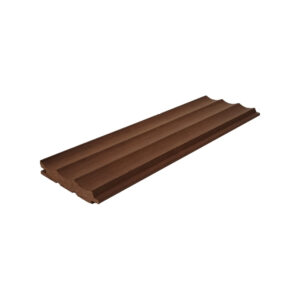
Choosing the right wood for your sauna is more than just an aesthetic decision. It affects everything from the comfort of your sauna experience to the durability of your investment. Whether you’re building a new sauna or renovating an existing one, understanding the unique properties of different sauna woods helps you make an informed choice. Let’s explore the most popular options for sauna benches and wall paneling, and see how they compare when put to the heat test.
Why wood type matters for your sauna experience
The wood you select for your sauna directly impacts your bathing experience. When temperatures rise to 70-100°C, not all woods behave the same way. Some retain heat too efficiently, making bench surfaces uncomfortably hot to sit on. Others might release resin or splinter when exposed to high heat and humidity.
Specialty sauna woods are chosen for specific properties that regular construction lumber simply doesn’t have. These include:
- Low thermal conductivity (so benches don’t burn your skin)
- Minimal resin content (to avoid sticky surfaces and unpleasant odors)
- Resistance to moisture and humidity fluctuations
- Dimensional stability when exposed to heat cycles
- Splinter resistance for safety and comfort
The right sauna wood creates a comfortable environment where you can relax without worrying about hot benches, unpleasant odors, or maintenance issues down the line. It’s a crucial choice that affects both the immediate comfort and the long-term enjoyment of your sauna.
Alder wood: characteristics and benefits for saunas
Alder has earned its place as a premium sauna wood due to its impressive combination of practical properties and visual appeal. With its warm, reddish-brown tones, alder brings a rich, inviting aesthetic to sauna interiors.
Beyond looks, alder wood offers several valuable characteristics for sauna environments:
- Naturally low heat conductivity, keeping bench surfaces comfortable to touch
- Minimal resin content, avoiding sticky surfaces even in high heat
- Good resistance to moisture and humidity fluctuations
- Smooth texture that resists splintering
- Pleasant, subtle aroma when heated
Alder performs particularly well for wall paneling, where its attractive color variations add visual warmth. It’s also suitable for bench construction, though it’s slightly less common than aspen for this application. One of alder’s strengths is how it ages – developing a beautiful patina over time that many sauna enthusiasts appreciate.
Aspen wood: the traditional Finnish sauna choice
When it comes to authentic Finnish saunas, aspen stands as the traditional choice with good reason. This light-colored wood has been the go-to material for Finnish sauna benches for generations, offering the perfect balance of practical performance and natural beauty.
Aspen’s key attributes make it ideally suited for the demanding sauna environment:
- Exceptionally low heat conductivity – stays cooler to the touch than most woods
- Virtually resin-free composition, eliminating sticky surfaces or unwanted odors
- Outstanding splinter resistance even after years of use
- Clean, light appearance that brightens sauna interiors
- Natural resistance to warping and cracking
The light color of aspen creates a sense of cleanliness and purity in the sauna space. It’s particularly valued for bench surfaces where skin contact occurs, as it remains comfortable even during extended sauna sessions. The wood’s smooth texture and splinter resistance make it safe for all sauna users.
If you’re already familiar with Western Red Cedar as a sauna wood, aspen offers a few notable differences worth considering. Cedar is widely available in North America and is well regarded for its natural durability and its distinctive, strong aroma. Aspen, by contrast, has a very mild, neutral scent when heated — an advantage if you find cedar’s fragrance overpowering or simply prefer a subtler atmosphere. Visually, aspen’s pale, near-white surface creates a brighter, more open feel compared to cedar’s reddish-brown tones, which some builders and bathers prefer for a cleaner, more Scandinavian aesthetic. For bench surfaces in particular, aspen’s exceptionally low thermal conductivity means it tends to feel cooler against bare skin than cedar, which can be a meaningful comfort difference during a long session. That said, cedar has genuine strengths of its own — including its natural resistance to decay — so the right choice depends on your priorities, your local availability, and the look you want to achieve. Thermally modified aspen takes these differences a step further: the heat treatment deepens the color to a rich brown that may appeal to those who like cedar’s warmer tones, while retaining aspen’s low heat conductivity and resin-free surface.
Thermo-aspen: how heat treatment enhances wood performance
Thermo-aspen represents an evolution in sauna wood technology, taking the already excellent properties of aspen and enhancing them through a specialized heat treatment process. This transformation happens without chemicals – using only high temperatures and steam.
During thermal treatment, the wood is slowly dried and then heated to 175-210°C for 1.5-3 days, depending on thickness and desired color depth. This process fundamentally changes the wood’s structure as moisture and resin are removed. The result is a beautiful brown-toned wood with significantly enhanced properties.
The thermal treatment delivers several key benefits:
- Dramatically improved dimensional stability
- Enhanced resistance to moisture and humidity
- Reduced thermal conductivity (stays even cooler to touch)
- Elegant dark brown color throughout the entire wood
- Pleasant woody aroma when heated
The increased stability of thermo-aspen makes it particularly valuable in sauna environments where extreme temperature and humidity fluctuations are constant. Its beautiful color also eliminates the need for stains or treatments, making it an environmentally friendly choice.
Which wood is best for different sauna components?
Different parts of your sauna benefit from different wood types, each optimized for specific functions and locations:
For bench surfaces: Aspen and thermo-aspen typically perform best. Their low heat conductivity keeps sitting surfaces comfortable, while their splinter resistance ensures safety. Thermo-aspen adds extra stability and a luxury aesthetic if you prefer darker tones.
For wall paneling: All three options work well, with the choice often coming down to aesthetic preference. Alder brings warm, reddish tones, aspen offers a light, bright look, and thermo-aspen provides rich, dark brown hues. Each creates a distinctly different atmosphere.
For backrests: Comfort is paramount for backrests, making aspen and thermo-aspen excellent choices. Their low thermal conductivity prevents uncomfortable heat against your back during sauna sessions.
For decorative elements: Thermo-aspen often shines for decorative components due to its striking dark color and exceptional stability. It can be used to create visual accents against lighter woods for a designer touch.
When selecting wood for different sauna components, consider both the practical performance needed and the overall aesthetic you want to achieve. Many beautiful saunas use combinations of wood types to optimize both function and appearance.
Maintaining your sauna wood for longevity and beauty
Proper maintenance ensures your sauna wood maintains its beauty and performance for years to come. Fortunately, these specialty woods require relatively simple care compared to many other materials.
Follow these basic maintenance practices:
- After each use, leave the sauna door open to allow moisture to escape
- Periodically clean bench surfaces with a mild solution of water and gentle soap
- Rinse thoroughly after cleaning to remove all soap residue
- Allow the sauna to dry completely after cleaning before heating again
- Never use harsh chemicals, oils, or sealants on sauna woods
For all three wood types, the natural approach works best. These woods are selected specifically because they perform well in sauna environments without needing special treatments or finishes.
With thermo-aspen, maintenance is even simpler. Its enhanced stability and moisture resistance mean it requires minimal care beyond basic cleaning. This makes it particularly suitable for busy households or commercial settings where maintenance time is limited.
At Pieksäwood, we’ve worked with specialty sauna woods for over 75 years, with particular expertise in aspen and alder processing. We offer these premium specialty woods for saunas in both standard and thermo-treated versions, crafted with care in Pieksämäki, Finland. Whether you’re building a traditional Finnish sauna or creating a modern wellness retreat, selecting the right wood is the foundation of a truly exceptional sauna experience.