The Finnish sauna has gained global popularity, but many people confuse it with other heat bathing experiences like steam rooms and infrared saunas. While all offer health benefits, the authentic Finnish sauna experience is distinctly different. Understanding these differences helps you choose the right sauna experience and appreciate the unique cultural heritage of Finnish sauna bathing. Let’s explore what makes a genuine Finnish sauna special and how it differs from other options.
What makes a traditional Finnish sauna authentic?
An authentic Finnish sauna is defined by several key elements that together create its distinctive experience. At the heart of the Finnish sauna is dry heat combined with the ability to create löyly – the steam that rises when water is thrown onto hot sauna stones. The traditional Finnish sauna maintains temperatures between 80-100°C, creating an environment that’s hot but still allows for comfortable breathing.
The authentic experience relies on proper ventilation that allows fresh air to circulate while maintaining the heat. This creates the perfect balance of warmth and breathability that distinguishes the Finnish sauna from other heat bathing methods.
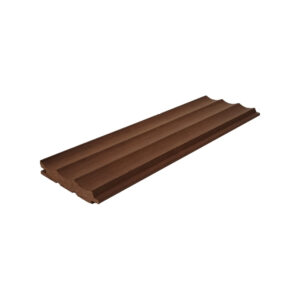
Perhaps most importantly, natural wood materials are essential to the authentic Finnish sauna experience. The walls, benches, and often the ceiling are constructed from carefully selected woods that can withstand the high heat while providing comfort and aesthetic appeal. The wood gives the sauna its distinctive appearance, pleasant aroma, and contributes to the overall sensory experience.
In Finland, the sauna is more than just a place to bathe – it’s a cultural institution. Traditionally, it was a place for physical purification, social bonding, and even spiritual reflection. This cultural significance remains central to the authentic Finnish sauna experience.
Steam rooms vs. Finnish saunas: key differences
Steam rooms and Finnish saunas provide distinctly different bathing experiences, primarily due to their temperature and humidity levels. While Finnish saunas operate at high temperatures (80-100°C) with relatively low humidity (10-20% before water is thrown on the stones), steam rooms maintain lower temperatures (around 40-50°C) with nearly 100% humidity.
This fundamental difference creates contrasting physical sensations. In a Finnish sauna, you experience intense dry heat that opens pores and induces significant sweating. The option to create löyly by throwing water on the stones allows bathers to increase humidity temporarily for intensified heat that enhances circulation.
Construction materials also differ significantly. Finnish saunas use natural woods for most surfaces, particularly for the benches where bathers sit. Steam rooms typically feature tile, stone or glass construction that can withstand constant high humidity without deterioration.
The bathing experience differs as well. Finnish saunas encourage a cycle of heating and cooling – spending time in the hot sauna followed by cooling down outside, with cold water immersion, or even snow rolling in winter. Steam rooms generally involve a single extended session without the dramatic temperature contrasts.
How infrared saunas differ from traditional Finnish saunas
Infrared saunas represent a modern approach to heat bathing that differs fundamentally from the traditional Finnish sauna. While Finnish saunas heat the air to high temperatures that then warms the body, infrared saunas use infrared heaters to emit radiation that directly warms the body without significantly heating the surrounding air.
This technological difference creates several contrasting experiences. Infrared saunas operate at much lower temperatures (usually 40-60°C) than Finnish saunas. Many people who find traditional saunas too intense can tolerate infrared versions better because of this lower temperature.
The heat experience is noticeably different. Finnish saunas provide enveloping heat that you feel immediately upon entering, while infrared heat penetrates more deeply into tissue but might not create the same sensation of intense warmth on the skin.
A significant distinction is that infrared saunas cannot produce löyly. The absence of hot stones means you miss the characteristic steam effect that enhances the Finnish sauna experience. This also means infrared saunas lack the ritualistic aspects of adding water to stones and experiencing the resulting burst of heat.
From a cultural perspective, infrared saunas focus primarily on health benefits rather than the social and traditional aspects that define authentic Finnish sauna bathing.
The unique health benefits of Finnish sauna bathing
The traditional Finnish sauna offers several health benefits that come from its unique combination of high heat and the ability to create steam. Regular sauna use has been linked to improved cardiovascular health, with research suggesting it can lower blood pressure and reduce the risk of heart-related conditions.
The intense heat experience promotes significant sweating, which helps eliminate toxins and impurities from the body. This deep cleansing effect extends to the skin, improving its tone and appearance over time.
The alternating heat and cooling cycles characteristic of traditional Finnish sauna bathing stimulate circulation throughout the body. This improved blood flow delivers more oxygen and nutrients to muscles and organs while helping remove waste products.
Finnish sauna bathing is also remarkably effective for stress reduction and mental wellbeing. The heat helps release endorphins – natural mood elevators – while the peaceful environment encourages mindfulness and relaxation.
Beyond the physiological benefits, the Finnish sauna tradition includes important social aspects. Sauna bathing often happens with family or friends, creating opportunities for connection and conversation in a relaxed setting – an increasingly valuable benefit in our busy digital world.
Choosing the right wood for your authentic Finnish sauna
The choice of wood is critical to creating an authentic Finnish sauna experience. Traditional Finnish sauna construction favors specific wood types that perform exceptionally well in the demanding high-heat, varying-humidity environment.
Aspen (haapa) stands out as an excellent choice for sauna benches and interior paneling. It maintains a comfortable surface temperature even in high heat, meaning it won’t burn skin when touched. Aspen is also knot-free and resin-free, preventing any sticky residue or excessive heat spots that could be uncomfortable for bathers.
Alder (tervaleppä) is another premium choice for Finnish saunas. Like aspen, it has low thermal conductivity, staying comfortable to the touch even as the sauna heats up. Alder also contributes a subtle, pleasant aroma to the sauna environment without the stronger scents that some other woods produce.
Both these woods offer excellent durability in the sauna environment when properly treated. Heat-treated versions of these woods provide enhanced resistance to moisture and temperature fluctuations, extending their lifespan while giving them an attractive, rich color.
The right wood choice affects not just the practical aspects of your sauna but also its aesthetics and overall atmosphere. Light-colored woods like aspen create a bright, clean appearance that many find calming and spacious, while heat-treated versions offer a warmer, more luxurious look.
At Pieksäwood, we specialize in high-quality sauna woods, particularly aspen and alder, both in natural and heat-treated forms. With over 20 years of heat treatment experience, we ensure our sauna woods provide the perfect combination of performance, comfort, and beauty that authentic Finnish saunas demand. All our products are carefully milled and hand-inspected in Pieksämäki, Finland, maintaining the highest standards of Finnish craftsmanship for saunas both in Finland and worldwide.