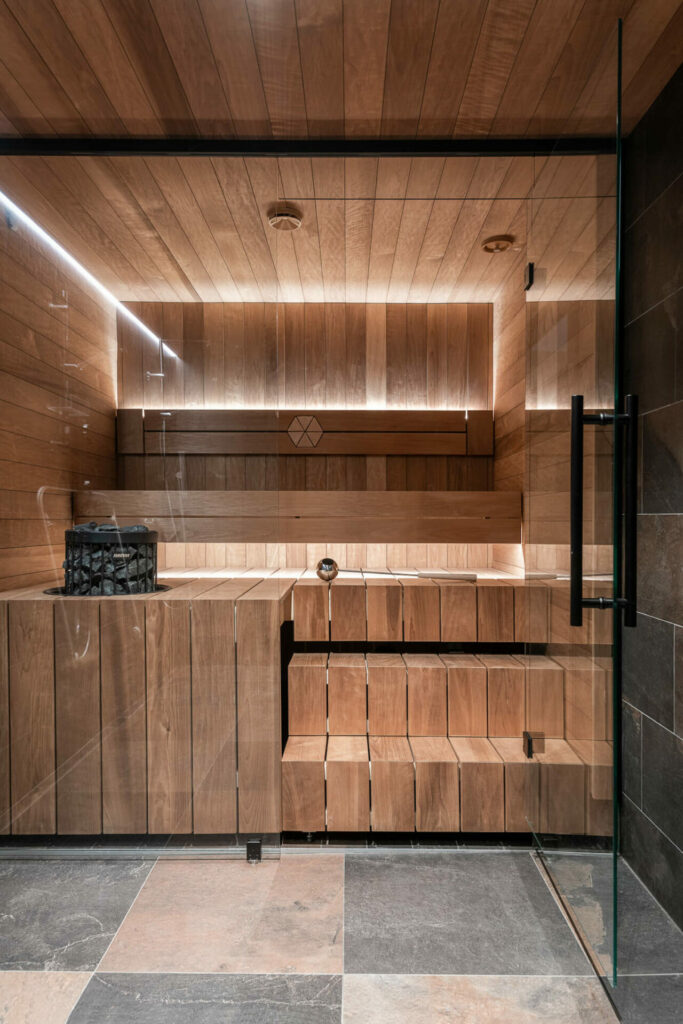
A sauna session causes cortisol levels to rise temporarily during heat exposure, then fall below baseline during the recovery period that follows. This hormetic stress response is one of the key reasons regular sauna use is associated with reduced anxiety, better sleep, and improved stress resilience over time. The sections below break down exactly what happens at each stage and what the research tells us about long-term effects.
Does cortisol go up or down during a sauna session?
Cortisol rises during an active sauna session. The body interprets intense heat as a physical stressor and activates the hypothalamic-pituitary-adrenal (HPA) axis, which triggers cortisol release as part of the acute stress response. This is a normal, healthy reaction, not a sign that sauna use is harmful.
The rise in cortisol during heat exposure is comparable to what happens during moderate aerobic exercise. The body is working hard to regulate core temperature, increase circulation, and protect vital organs, and cortisol plays a central role in mobilizing energy for all of that. The elevation is typically modest and short-lived, which is what makes it beneficial rather than damaging. Chronic cortisol elevation is the problem, not brief, controlled spikes followed by recovery.
Why does heat exposure trigger a cortisol response?
Heat exposure triggers a cortisol response because the body treats thermal stress the same way it treats any other physical challenge: by activating survival mechanisms. When core body temperature rises significantly, the brain signals the adrenal glands to release cortisol to mobilize glucose, suppress non-essential functions, and maintain cardiovascular stability.
This response is part of what exercise scientists call hormesis, where a controlled, short-term stressor produces a beneficial adaptive response. The heat from a sauna pushes the body just enough to activate these systems without causing lasting damage. Alongside cortisol, the body also releases heat shock proteins and endorphins during sauna exposure, which contribute to the feeling of relaxation and well-being that follows a session. The cortisol spike is essentially the cost of entry for the recovery benefits that come afterward.
How long after a sauna does cortisol return to normal?
Cortisol levels typically return to baseline within 30 to 60 minutes after leaving the sauna. In many people, cortisol drops below baseline during this recovery window, which is part of why post-sauna rest feels so deeply relaxing and why regular sauna users often report improved sleep quality on the nights they bathe.
The speed of recovery depends on a few factors, including session length, temperature, individual fitness level, and how well the person rehydrates and rests afterward. Cooling down gradually, drinking water, and allowing quiet rest after a session support a smoother cortisol comedown. Jumping straight from the sauna into a high-stress situation, by contrast, can interrupt the recovery arc and reduce the stress-relieving benefit of the session.
Does regular sauna use lower baseline cortisol over time?
Yes, consistent sauna use is associated with lower baseline cortisol levels over time. The repeated hormetic stress of heat exposure trains the HPA axis to respond more efficiently and recover more quickly, which gradually reduces the resting level of cortisol circulating in the body. This is the same adaptive mechanism that makes regular exercise a long-term stress reducer.
The effect builds gradually. People who use the sauna several times per week over months tend to report lower perceived stress, calmer nervous system responses, and better sleep, all of which are downstream effects of a more regulated cortisol rhythm. This long-term adaptation is one of the most compelling health benefits of sauna use, particularly for people managing chronic stress or high-pressure lifestyles. The sauna does not eliminate cortisol, which the body needs, but it helps keep it in a healthier, more balanced range.
What type of sauna has the strongest effect on cortisol?
Traditional Finnish saunas operating at high temperatures (80 to 100 degrees Celsius) with steam from löyly appear to produce the strongest cortisol response, simply because they expose the body to more intense heat stress than lower-temperature alternatives. Infrared saunas, which operate at lower temperatures, produce a milder cortisol response but still deliver meaningful benefits over time.
The key variable is thermal load, meaning how much heat stress the body actually absorbs. Session duration also matters. A 20-minute session at high temperature will produce a more pronounced response than a 10-minute session at moderate heat. For most people, a traditional Finnish sauna built with quality materials and good thermal mass creates the most authentic and effective environment. The wood used in the sauna also plays a role in comfort: smooth, knot-free timbers like aspen and black alder stay cool to the touch even at high temperatures, making it easier to stay in the heat long enough to get the full physiological benefit. If you are considering which timber materials Finnish saunas use, heat-treated wood offers enhanced durability and stability in high-humidity environments. You can explore sauna-grade wood products suited to these demanding conditions.
Can sauna use interfere with cortisol-dependent body functions?
For healthy adults using the sauna in a normal, moderate way, sauna use does not interfere with cortisol-dependent body functions. The temporary cortisol spike during a session is well within the range the body handles routinely, and the recovery that follows is restorative rather than disruptive. Cortisol-dependent functions such as immune regulation, blood sugar management, and inflammation control remain intact.
There are specific situations where caution is warranted. People with adrenal insufficiency, conditions that impair the HPA axis, or those on corticosteroid medications should consult a doctor before using a sauna regularly, since their cortisol regulation may not respond to thermal stress in the typical way. Similarly, using the sauna when already in a state of severe physical or psychological stress, illness, or sleep deprivation can amplify rather than resolve an already elevated cortisol state. For the vast majority of people, however, moderate sauna use supports rather than disrupts the body’s cortisol rhythm, making it one of the most accessible tools available for everyday stress management.