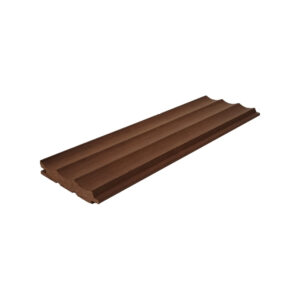
Modern sauna construction has evolved significantly, with thermally modified wood becoming the gold standard for premium installations. This advanced material offers superior performance in high-heat environments while maintaining the natural beauty that makes wood the preferred choice for authentic sauna experiences. Heat-treated timber provides enhanced stability, durability, and resistance to moisture fluctuations that traditional untreated wood simply cannot match.
Understanding the science behind thermal modification and selecting the right wood species can transform your sauna project from ordinary to exceptional. The process creates sustainable sauna wood that performs better and lasts longer than conventional alternatives.
What makes thermally modified wood superior for saunas
The thermal modification process fundamentally changes wood’s cellular structure through controlled heat treatment using only hot air and steam vapour. This chemical-free process eliminates the wood’s natural tendency to absorb moisture, making it incredibly stable in sauna environments where temperature and humidity levels fluctuate dramatically.
Traditional untreated wood expands and contracts significantly when exposed to sauna conditions, leading to warping, cracking, and dimensional instability. Thermally modified wood maintains its shape and size because the heat treatment breaks down the wood’s hemicellulose components, which are responsible for moisture absorption. This results in premium sauna wood that stays flat, smooth, and structurally sound year after year.
The process also permanently reduces the wood’s equilibrium moisture content. Whereas untreated wood might absorb 15–20% moisture content in humid conditions, thermally modified timber typically maintains just 4–6%. This dramatic reduction in moisture uptake prevents the growth of mould and bacteria, creating a more hygienic sauna environment.
Why aspen and alder dominate premium sauna construction
Aspen and alder wood species possess unique characteristics that make them ideal for sauna applications, particularly when combined with thermal modification. Both species are naturally low in resin content, which means they will not release sticky substances when heated, and they remain comfortable to the touch even at high temperatures.
Finnish sauna wood traditions have long favoured these species because they are naturally knot-free and resin-free. Aspen, in particular, has an exceptionally smooth surface texture that feels pleasant against the skin, even during intense sauna sessions. The wood does not conduct heat as readily as denser species, preventing uncomfortable burning sensations when you lean against sauna walls or benches.
When thermally treated, both aspen and alder develop a rich, deep brown colouration that adds visual warmth to sauna interiors. The thermal modification process enhances their naturally pale appearance, creating an elegant chocolate-brown shade that complements modern architectural styles while maintaining the authentic sauna aesthetic.
These species also demonstrate excellent dimensional stability after thermal treatment. Their cellular structure responds particularly well to the heat-treatment process, resulting in modern sauna materials that maintain their form and finish over decades of use.
How thermal treatment transforms wood performance in high-heat environments
The scientific transformation during thermal modification occurs at temperatures between 160–230°C in controlled atmospheric conditions. This process fundamentally alters the wood’s molecular structure, breaking down unstable compounds while preserving the wood’s structural integrity.
During treatment, the wood’s hemicellulose partially decomposes, while the cellulose and lignin components remain largely intact. This selective breakdown eliminates the wood’s hygroscopic properties, meaning it no longer readily absorbs and releases moisture from the surrounding environment. The result is heat-treated timber that maintains consistent dimensions regardless of humidity changes.
The cellular changes also improve the wood’s thermal properties. Thermally modified wood has lower thermal conductivity than untreated timber, making it more comfortable in high-temperature environments. This characteristic is particularly valuable for sauna benches and backrests, where direct skin contact occurs at elevated temperatures.
Additionally, the thermal treatment process increases the wood’s resistance to biological degradation. The modified cellular structure becomes less attractive to insects and fungi, extending the material’s lifespan significantly compared with untreated alternatives.
Modern sauna design trends with thermally modified materials
Contemporary sauna construction increasingly incorporates thermally modified wood to achieve clean, minimalist aesthetics while ensuring long-term performance. The rich, uniform colouration achieved through thermal treatment eliminates the need for stains or finishes, supporting the trend towards natural, chemical-free sauna environments.
Modern installations often feature thermally modified wood panels with precise dimensions and a consistent appearance throughout the sauna interior. The material’s enhanced stability allows for larger panel sizes and more seamless installations, creating the uninterrupted surfaces that contemporary design favours.
The deep brown tones of thermally treated aspen and alder complement modern lighting systems beautifully. LED installations and contemporary sauna heaters pair naturally with the sophisticated colour palette that thermal modification creates, allowing designers to achieve striking visual contrasts while maintaining material authenticity.
Integration with glass elements, steel fixtures, and modern ventilation systems becomes more straightforward when using dimensionally stable thermally modified materials. The consistent performance characteristics eliminate concerns about gaps, warping, or movement that might compromise the clean lines essential to contemporary sauna architecture.
Professional sauna builders increasingly specify thermally modified wood for commercial installations where durability and low maintenance are priorities. Hotels, spas, and wellness centres benefit from the material’s consistent performance and reduced need for replacement or refinishing over time.
Choosing premium thermally modified wood for your sauna project ensures superior performance, enhanced durability, and authentic Finnish sauna tradition. The combination of scientific advancement and natural materials creates sauna construction solutions that meet modern expectations while honouring time-tested principles. We have spent over 20 years perfecting thermal treatment processes in Pieksämäki, Finland, creating materials that bring together traditional craftsmanship and contemporary performance standards for saunas worldwide. Contact us to learn more about our thermal modification expertise.