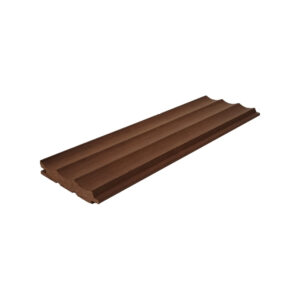
When planning a sauna, choosing the right wood makes all the difference in creating a space that’s both beautiful and built to last. Thermally treated aspen and alder have become the gold standard for sauna construction, offering superior performance compared to traditional untreated woods. These heat-treated wood options provide enhanced durability, moisture resistance, and stability that regular wood simply can’t match.
Understanding how thermal modification transforms these Nordic woods helps you make informed decisions for your sauna project. Whether you’re a professional builder, designer, or homeowner creating your dream sauna, knowing the benefits and differences between thermally treated aspen and alder ensures you select the perfect sauna materials for your specific needs.
What makes thermally treated wood different from regular wood
Thermal modification transforms wood through a completely chemical-free process using only hot air and steam. This treatment fundamentally changes the wood’s cellular structure, creating materials with significantly improved properties compared to untreated lumber.
The process removes moisture from wood cells and breaks down hemicellulose, the component responsible for wood’s tendency to absorb water. This creates wood with dramatically reduced moisture absorption capabilities, often decreasing water uptake by 50% or more compared to untreated materials.
Dimensional stability improves substantially through thermal treatment. Regular wood expands and contracts with humidity changes, leading to warping, cracking, and gaps. Heat-treated wood maintains its shape and dimensions much more consistently, making it ideal for sauna environments where temperature and humidity fluctuate dramatically.
Durability increases significantly as the thermal modification process creates an environment less favorable to decay-causing organisms. The wood becomes naturally more resistant to rot and fungal growth without any chemical preservatives, making it perfect for the demanding conditions inside saunas.
Why aspen and alder excel in sauna environments
Aspen wood offers exceptionally low heat conductivity, which means the wood surface stays comfortable to the touch even in high-temperature sauna conditions. This makes aspen particularly valuable for sauna benches and backrests where direct skin contact occurs.
Both aspen and alder contain minimal resin content, eliminating the sticky, uncomfortable surfaces that resinous woods create when heated. This characteristic ensures a pleasant sauna experience without worrying about resin bleeding onto skin or clothing during sauna sessions.
The attractive appearance of both woods adds to their appeal for sauna design. Finnish sauna wood traditions have long favored these species for their clean, light-colored grain patterns that create bright, welcoming sauna interiors. The wood’s natural beauty requires no additional finishing or treatment to look attractive.
Alder wood offers excellent workability and smooth finishing characteristics. The wood machines cleanly and accepts various surface treatments well, making it versatile for different sauna design applications, from paneling to custom millwork.
Both species demonstrate excellent heat and moisture tolerance, maintaining structural integrity and appearance even under the extreme conditions typical in sauna environments. This reliability makes them trusted choices for professional sauna construction.
How thermal treatment enhances sauna wood performance
The thermal modification process creates wood specifically optimized for sauna construction. Reduced moisture absorption means the wood responds less dramatically to the high humidity levels present during sauna use, maintaining dimensional stability throughout repeated heating and cooling cycles.
Enhanced longevity results from the treatment’s effect on wood structure. Thermally treated aspen and alder resist the degradation processes that typically affect untreated wood in moisture-rich environments. This extends the service life of sauna installations significantly, reducing maintenance requirements and replacement costs.
The treatment process creates wood with improved resistance to splitting and cracking. Regular wood often develops stress fractures when exposed to rapid temperature changes, but thermally treated materials handle these conditions much more gracefully.
Surface stability improves dramatically through thermal treatment. The wood maintains smooth, splinter-free surfaces longer than untreated alternatives, which is important for safety and comfort in sauna applications where users have direct contact with wood surfaces.
Color stability represents another significant advantage. While untreated wood may gray or discolor over time in sauna conditions, thermally treated wood maintains its appearance more consistently, preserving the aesthetic appeal of your sauna investment.
Choosing between thermally treated aspen and alder for your project
Appearance differences between these woods can guide your selection. Thermally treated aspen typically displays a light, uniform color with subtle grain patterns that create a bright, clean sauna interior. The treatment process can also create beautiful chocolate-brown tones that add warmth and sophistication to sauna spaces.
Thermally treated alder often shows more pronounced grain character and may develop richer color variations during treatment. This creates visual interest and can complement different design styles, from traditional to contemporary sauna aesthetics.
Consider your specific sauna design requirements when choosing between these materials. For benches and areas with direct body contact, aspen’s lower heat conductivity provides superior comfort. For paneling and decorative elements, either species performs excellently, so aesthetic preferences often determine the choice.
Sauna construction materials selection should also consider the overall design vision. Aspen creates bright, Scandinavian-style interiors, while alder can provide more dramatic, spa-like atmospheres depending on the treatment intensity and resulting color.
Budget considerations may influence your decision, though both materials offer excellent value for professional sauna construction. The enhanced durability and reduced maintenance requirements of thermally treated woods often justify any initial cost differences through long-term performance benefits.
Both thermally treated aspen and alder deliver exceptional performance in sauna environments, offering superior moisture resistance, dimensional stability, and longevity compared to untreated alternatives. Your choice between them often comes down to aesthetic preferences and specific application requirements. We at Pieksäwood have spent over 20 years perfecting thermal treatment processes for Finnish aspen and alder, ensuring you receive premium thermally treated wood materials that meet the highest quality standards for your sauna project. Our complete manufacturing process, from sawing to thermal treatment to final planing, all takes place in Pieksämäki, Finland, giving you confidence in both quality and authenticity. Explore our Savu collection thermally treated woods to find the perfect match for your project, or contact our sauna wood specialists for personalized guidance.