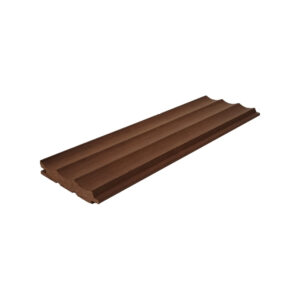
Heat-treated wood develops enhanced stability and durability compared to regular wood over time. The thermal modification process permanently alters the wood’s cellular structure, reducing its ability to absorb moisture and making it more resistant to dimensional changes. While regular wood expands and contracts significantly with humidity changes, heat-treated wood maintains more consistent dimensions throughout its lifespan.
What exactly happens to wood during heat treatment?
Heat treatment permanently modifies wood by exposing it to temperatures between 175 and 210 degrees Celsius for 1.5 to 3 days, depending on the wood species and desired outcome. The process begins by completely drying the timber, rapidly raising its temperature to 100 degrees, then slowly increasing it to the treatment temperature using steam and hot air.
During this controlled heating process, the wood’s cellular structure undergoes significant chemical changes. Water and resin are removed from the wood fibres, while the steam acts as a protective barrier to prevent cracking and combustion. The high temperatures break down hemicellulose compounds within the wood, which are responsible for moisture absorption and dimensional instability.
The treatment transforms the wood into a beautiful brown colour while giving it a pleasant natural wood aroma. This colour change indicates that the cellular modification has been successful, creating a material that behaves very differently from its original state. The entire process uses only heat and steam, making it completely non-toxic and environmentally friendly.
How does heat-treated wood perform differently than regular wood over time?
Heat-treated wood demonstrates superior dimensional stability compared to untreated timber, with significantly reduced swelling and shrinking when exposed to moisture changes. Regular wood can expand and contract substantially with seasonal humidity variations, while heat-treated alternatives maintain more consistent dimensions throughout their service life.
The moisture resistance of heat-treated wood develops because the thermal modification process removes much of the wood’s ability to absorb water. Whereas untreated wood readily takes on moisture from the environment, heat-treated timber has a fundamentally altered cellular structure that resists water penetration. This characteristic becomes more pronounced over time as the wood ages.
Regular wood typically shows signs of weathering, warping, and splitting relatively quickly when exposed to outdoor conditions. Heat-treated wood maintains its structural integrity much longer, with reduced cracking and warping even after years of exposure. The treatment creates a more stable material that ages gracefully without the dramatic dimensional changes that characterise untreated timber.
What are the main benefits you can expect from heat-treated wood long-term?
Heat-treated wood offers enhanced durability that becomes more apparent over years of use, particularly in demanding environments like saunas, where regular wood would deteriorate quickly. The thermal modification process creates a material that maintains its appearance and structural properties much longer than conventional alternatives.
The reduced maintenance requirements represent a significant long-term advantage. While regular wood often needs frequent treatment, sealing, or replacement, heat-treated timber maintains its performance characteristics with minimal intervention. This translates to lower lifetime costs despite a potentially higher initial investment.
Moisture and decay resistance improve substantially through the heat treatment process. The modified cellular structure makes the wood less appealing to insects and fungi while reducing the moisture absorption that typically leads to rot and degradation. These benefits compound over time, with heat-treated wood maintaining its integrity in conditions where regular wood would fail.
The dimensional stability proves particularly valuable in applications like sauna benches and wall panels, where consistent performance under extreme temperature and humidity variations is crucial for both safety and aesthetics.
Does heat-treated wood require different maintenance than regular wood?
Heat-treated wood requires less frequent maintenance than regular timber, though the specific care approach differs slightly from conventional wood products. The enhanced stability and moisture resistance mean you can clean heat-treated surfaces more confidently without worrying about water damage or dimensional changes.
Regular cleaning can be performed with standard wood cleaning methods, but you’ll find that heat-treated surfaces resist staining and moisture penetration better than untreated alternatives. The reduced porosity means dirt and grime sit more on the surface rather than penetrating deeply, making cleaning more effective and less frequent.
Protective treatments are generally unnecessary for heat-treated wood in most applications, particularly for interior use. The thermal modification process has already enhanced the wood’s natural resistance properties, reducing the need for chemical treatments that regular wood often requires. This represents both a maintenance saving and an environmental benefit.
When heat-treated wood does require refinishing or repair, standard woodworking techniques apply. However, you’ll typically find that such maintenance is needed far less frequently than with conventional timber, making heat-treated wood a lower-maintenance choice for long-term installations.
Understanding how heat-treated wood ages helps you make informed decisions about material selection for your projects. The enhanced stability, reduced maintenance needs, and superior moisture resistance make heat-treated timber particularly suitable for demanding applications. We at Pieksäwood specialise in producing high-quality heat-treated aspen products, combining over 20 years of thermal treatment experience with modern production methods to deliver materials that perform exceptionally well over time. Contact us for expert advice on selecting the right heat-treated wood for your specific needs.