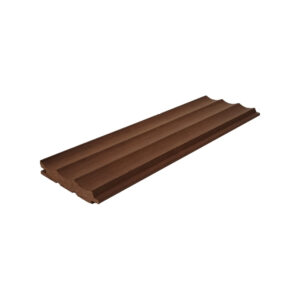
Heat-treated panels typically need maintenance every 3–5 years, depending on their location and environmental exposure. Indoor panels in dry conditions require minimal maintenance, while outdoor applications or high-humidity environments may need attention more frequently. The heat treatment process makes wood more stable and durable, reducing overall maintenance requirements compared to untreated timber.
What exactly is heat treatment and how does it affect panel maintenance?
Heat treatment is a process where wood is heated to 175–210 degrees Celsius for 1.5–3 days using steam and hot air. This process fundamentally changes the wood’s structure by removing moisture and resin while creating the characteristic brown colour and pleasant wood aroma.
During heat treatment, the wood becomes more dimensionally stable as its cellular structure transforms. The process removes water and resin naturally, making the wood less susceptible to moisture absorption and movement. This increased stability directly impacts maintenance requirements because heat-treated panels are less likely to warp, crack, or expand and contract with seasonal changes.
The steam protection during treatment prevents splitting and ignition while influencing chemical changes within the wood. These modifications create panels that maintain their shape and appearance longer than untreated alternatives, significantly extending the time between maintenance intervals.
How often do heat-treated panels actually need maintenance?
Heat-treated panels generally require maintenance every 3–5 years for most applications. Indoor installations in dry environments may extend this to 5–7 years, while outdoor applications or areas with high humidity might need attention every 2–3 years.
The reduced maintenance frequency stems from the heat treatment process making wood more stable and resistant to environmental changes. Unlike untreated panels that might need annual attention, heat-treated versions maintain their integrity longer due to their altered cellular structure.
For sauna applications using lämpökäsitelty haapa or lämpökäsitelty tervaleppä, maintenance intervals can be extended because these materials handle heat and humidity exceptionally well. The heat treatment process prepares the wood for these demanding conditions, reducing the need for frequent intervention.
What factors determine how frequently you should maintain heat-treated panels?
Environmental conditions, usage intensity, and panel location are the primary factors affecting maintenance frequency. Outdoor panels exposed to the elements need more frequent care than indoor installations in controlled environments.
Humidity levels significantly impact maintenance schedules. High-moisture environments, even with heat-treated panels, require more attention because constant humidity exposure can gradually affect any wood product. Temperature fluctuations also play a role, though heat-treated panels handle these changes better than untreated alternatives.
The specific wood species matters too. Lämpökäsitelty haapapaneeli and lämpökäsitelty tervaleppäpaneeli have different characteristics that influence their maintenance needs. Usage intensity in high-traffic areas or frequently used spaces may require more regular inspection and care.
What type of maintenance do heat-treated panels require?
Heat-treated panels need gentle cleaning, regular inspection, and occasional protective treatments. The maintenance approach differs from untreated wood because the heat treatment process has already stabilised the material.
Cleaning involves removing dust, dirt, and any surface buildup using mild, non-abrasive methods. Avoid harsh chemicals that could affect the wood’s treated surface. Regular inspection helps identify any areas where moisture might be penetrating or where wear patterns are developing.
Protective treatments, when needed, should be compatible with heat-treated wood. The panels’ reduced ability to absorb moisture means traditional wood treatments may not penetrate as effectively. Choose products specifically designed for heat-treated timber to ensure proper adhesion and protection.
How can you tell when your heat-treated panels need maintenance?
Look for surface dulling, minor colour changes, or areas where the wood feels rougher than usual. These visual and tactile indicators suggest it’s time for maintenance before problems develop further.
Surface texture changes are often the earliest sign that maintenance is needed. Run your hand along the panels – any roughness or raised grain indicates the surface needs attention. Colour variations, while subtle in heat-treated wood, can signal areas where protection might be compromised.
Check for any signs of moisture penetration, particularly around joints or edges. Even though heat-treated panels resist moisture better than untreated wood, prolonged exposure to water can eventually affect any timber product. Address these areas promptly to maintain the panels’ longevity and appearance.
Heat-treated panels offer significant maintenance advantages over traditional wood products, requiring attention less frequently while maintaining their attractive appearance and structural integrity. At Pieksäwood, we’ve seen how our lämpökäsitelty haapa and tervaleppä panels provide long-lasting beauty with minimal upkeep, making them an excellent choice for both residential and commercial applications where durability and low maintenance are priorities. For specific guidance about your project requirements, contact our experts today.