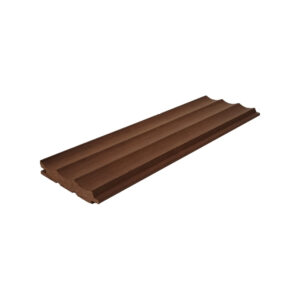
Sauna construction has evolved significantly over the decades, yet many builders still struggle with traditional wood problems like warping, cracking, and moisture damage. Heat-treated aspen, known in Finnish as lämpökäsitelty haapa, represents a breakthrough in sauna materials that addresses these persistent challenges through thermal modification rather than chemical treatments.
This innovative approach transforms regular aspen wood into a superior material that maintains the natural beauty of Finnish wood while dramatically improving performance in high-heat, high-humidity environments. You’ll discover how this process works, why it solves common sauna construction problems, and how to choose the right products for your specific project needs.
What makes heat-treated aspen different from regular wood
The thermal modification process fundamentally changes aspen wood at the cellular level through carefully controlled heat application. The treatment begins by rapidly heating the timber to 100 degrees Celsius to achieve complete dryness. Once thoroughly dried, the wood temperature is slowly increased to between 175 and 210 degrees Celsius, where it remains for 1.5 to 3 days depending on the wood species, raw material thickness, and desired colour intensity.
During this process, steam and hot air work together to protect the wood from cracking and combustion while facilitating chemical changes within the wood structure. Water and resin naturally exit the wood, while the cellular structure becomes more stable. The steam acts as a protective barrier and influences the chemical transformations that occur within the timber.
This transformation creates a beautiful brown-toned wood with enhanced dimensional stability. The process removes moisture-absorbing components from the wood fibres, resulting in a material that responds differently to humidity changes compared to untreated timber. The wood emerges with a pleasant natural aroma and improved resistance to environmental stresses.
Why heat treatment solves traditional sauna wood problems
Traditional sauna woods face significant challenges in the extreme environment of Finnish saunas. Regular timber absorbs moisture readily, leading to expansion and contraction cycles that cause warping, splitting, and dimensional instability. These movements create gaps in panelling, uneven surfaces on benches, and structural issues that compromise both aesthetics and functionality.
Heat treatment addresses these problems by reducing the wood’s moisture absorption capacity. The thermal modification process removes hygroscopic components that typically bind with water molecules. This means lämpökäsitelty haapa absorbs significantly less moisture than untreated wood, resulting in minimal dimensional movement even in high-humidity sauna conditions.
The process also eliminates resin pockets that can weep sticky substances when heated. This creates cleaner surfaces that remain comfortable to touch even at high temperatures. Additionally, the structural changes that occur during thermal modification improve the wood’s resistance to cracking and splitting, common problems with conventional sauna materials exposed to rapid temperature fluctuations.
Performance benefits of heat-treated aspen in sauna environments
Heat-treated aspen delivers exceptional dimensional stability compared to untreated alternatives. The reduced moisture absorption means panels maintain consistent gaps, bench surfaces remain flat, and trim pieces stay properly aligned throughout seasonal humidity changes and daily sauna use cycles.
Temperature resistance represents another significant advantage. The thermal modification process essentially “pre-conditions” the wood to handle extreme temperatures. The material responds predictably to heat, maintaining its shape and surface quality even when exposed to temperatures exceeding 80 degrees Celsius, as are regularly found in traditional Finnish saunas.
Longevity improvements stem from the wood’s enhanced resistance to moisture-related degradation. The reduced water absorption limits the conditions that promote fungal growth and wood rot. This extends the service life of sauna installations significantly, particularly in frequently used commercial or public sauna environments where durability becomes paramount.
The smooth surface characteristics of heat-treated aspen remain comfortable against skin even at high temperatures. Unlike some alternative materials that can become uncomfortably hot, properly processed lämpökäsitelty haapa maintains pleasant tactile properties that enhance the sauna experience.
How heat-treated aspen compares to other sauna materials
Cedar has traditionally dominated premium sauna construction due to its natural oils and dimensional stability. However, heat-treated aspen offers comparable stability without the strong aromatic compounds that some users find overwhelming. The neutral scent profile of lämpökäsitelty haapa appeals to those who prefer subtler wood aromas in their sauna environment.
Pine, while economical, presents challenges with resin bleeding and dimensional movement that heat-treated aspen eliminates. The thermal modification process removes these problematic characteristics while maintaining the workability and availability that make aspen attractive to builders and craftspeople.
Cost considerations favour heat-treated aspen in many applications. While the initial material cost exceeds that of basic softwoods, the reduced maintenance requirements and extended service life create favourable long-term economics. The dimensional stability also reduces installation challenges and callbacks related to wood movement.
Sustainability aspects distinguish heat-treated aspen from imported alternatives. The thermal modification process uses only heat and steam, avoiding chemical preservatives entirely. This creates an environmentally responsible material choice that maintains the natural characteristics users expect from premium sauna wood.
Choosing the right heat-treated aspen products for your project
Panelling applications benefit from the dimensional stability of heat-treated aspen, particularly in installations where consistent gap spacing maintains the desired aesthetic. The reduced moisture absorption prevents the uneven expansion that creates unsightly panel misalignment in high-humidity conditions.
Bench construction represents an ideal application for lämpökäsitelty haapa. The smooth surface remains comfortable against skin, while the dimensional stability prevents the warping and splitting that compromise bench safety and appearance. The material’s temperature resistance ensures consistent performance even with intensive daily use.
Trim and accent applications showcase the attractive brown tones that develop during thermal modification. The colour consistency and stability make heat-treated aspen suitable for detailed work where appearance and dimensional accuracy remain important throughout the installation’s service life.
Project scale influences material selection decisions. Smaller residential installations might prioritise the enhanced user experience that heat-treated aspen provides, while larger commercial projects often focus on the reduced maintenance requirements and extended service intervals that thermal modification delivers.
Consider the specific sauna usage patterns when selecting materials. High-frequency commercial installations benefit most from the durability improvements, while occasional-use residential saunas might prioritise the aesthetic and comfort advantages that heat-treated aspen wood products offer over conventional alternatives.
Heat-treated aspen represents a significant advancement in sauna material technology, combining traditional Finnish wood craftsmanship with modern thermal processing techniques. The material addresses long-standing problems with conventional sauna woods while maintaining the natural characteristics that make wood the preferred choice for authentic sauna construction. At Pieksäwood, we’ve refined our thermal modification process over 20 years of experience, producing lämpökäsitelty haapa that meets the demanding requirements of both professional builders and discerning sauna enthusiasts throughout Finland and internationally. For specific project requirements and material specifications, contact us to discuss your sauna construction needs.