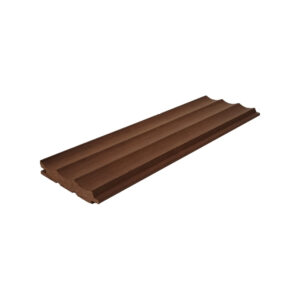
When you’re choosing wood for your sauna, home renovation, or commercial project, the difference between heat-treated and regular wood can make or break your investment. Heat-treated aspen has revolutionised how we think about wood performance in challenging environments.
Regular wood might seem like the obvious choice due to its lower upfront cost, but heat-treated aspen offers compelling advantages that often outweigh the initial price difference. The heat treatment process fundamentally transforms the wood’s cellular structure, creating a material that performs better across multiple dimensions.
Understanding these differences helps you make informed decisions, whether you’re building saunas, installing interior panels, or working on projects where moisture and temperature variations pose challenges. Let’s explore how heat treatment gives aspen wood distinct advantages over its untreated counterpart.
Enhanced durability through the heat treatment process
The heat treatment process fundamentally alters aspen wood’s cellular structure, significantly improving its longevity compared to regular wood. During treatment, the wood undergoes controlled heating at temperatures between 175–210 degrees Celsius for 1.5 to 3 days, depending on the wood species and desired colour intensity.
This process removes moisture and resin from the wood while creating chemical changes that increase resistance to decay and biological deterioration. The high-temperature treatment breaks down hemicellulose, one of wood’s main components, making it less attractive to fungi and insects that typically cause wood degradation.
Regular aspen wood, while naturally resistant to some decay, lacks this enhanced protection. Heat-treated aspen can last significantly longer in challenging environments because the treatment process creates a more stable material that doesn’t provide the nutrients that decay organisms need to thrive.
The structural changes also improve the wood’s mechanical properties. The treatment process reduces internal stresses and creates a more uniform density throughout the material, resulting in wood that maintains its integrity better over time than untreated alternatives.
Superior moisture resistance for challenging environments
Heat-treated aspen handles moisture exposure far better than regular wood, making it particularly valuable for saunas and other humid environments. The treatment process reduces the wood’s ability to absorb moisture by modifying its hygroscopic properties.
During heat treatment, the wood’s cell walls undergo changes that reduce their affinity for water molecules. This means heat-treated aspen absorbs less moisture from the environment and releases it more slowly, creating better dimensional stability in fluctuating humidity conditions.
Regular aspen wood readily absorbs moisture from its surroundings, leading to swelling, potential mould growth, and accelerated deterioration in humid conditions. In sauna environments, where humidity levels can reach extreme levels, this difference becomes particularly important for maintaining structural integrity and appearance.
The improved moisture resistance also means heat-treated aspen performs better in bathrooms, kitchens, and other areas where regular wood might struggle. The reduced moisture uptake helps prevent the conditions that lead to rot, mould, and other moisture-related problems that plague untreated wood in similar applications.
Improved dimensional stability prevents warping
One of the most noticeable advantages of heat-treated aspen is its superior dimensional stability compared to regular wood. The heat treatment process significantly reduces the wood’s tendency to move, warp, or change shape as environmental conditions change.
Regular aspen wood naturally expands and contracts with changes in moisture content and temperature. This movement can cause warping, cupping, and gaps that affect both appearance and functionality. Heat treatment reduces these movements by modifying the wood’s internal structure and reducing its moisture sensitivity.
The treatment process relieves internal stresses that naturally exist in wood, creating a more stable material that maintains its shape better over time. This stability proves particularly valuable for applications like sauna benches, wall panels, and flooring, where consistent dimensions matter for both aesthetics and performance.
For builders and installers, this improved stability means fewer callbacks for adjustments and repairs. The wood maintains its installed appearance longer, reducing maintenance requirements and improving customer satisfaction with the finished project.
Natural colour enhancement without chemicals
Heat treatment creates attractive darker tones in aspen wood naturally, without requiring chemical stains or treatments. The process transforms the wood’s natural light colour into rich brown hues that many find more visually appealing than untreated aspen’s pale appearance.
During the heating process, the wood undergoes natural chemical reactions that create these beautiful brown colours throughout the material. Unlike surface stains that can wear off or fade, these colour changes penetrate the entire thickness of the wood, ensuring a consistent appearance even if the surface gets scratched or worn.
Regular aspen wood requires staining or painting to achieve similar colour depth, adding cost and complexity to projects. Chemical treatments also introduce potential health and environmental concerns that heat treatment avoids entirely.
The natural colouration process also creates a pleasant wood aroma that many people find appealing. This natural scent adds to the sensory experience, particularly in sauna applications where the wood’s fragrance contributes to the overall atmosphere.
Reduced maintenance requirements save time and money
Heat-treated aspen requires significantly less maintenance than regular wood, creating long-term cost savings that often offset the higher initial investment. The improved stability and moisture resistance mean less frequent repairs, refinishing, and replacement needs.
Regular aspen wood typically requires periodic treatment with preservatives, stains, or sealers to maintain its appearance and performance. Heat-treated aspen’s enhanced natural properties reduce or eliminate many of these maintenance requirements, saving both time and ongoing costs.
The reduced maintenance needs prove particularly valuable in commercial applications where labour costs for upkeep can be substantial. Saunas, spas, and other facilities benefit from materials that maintain their appearance and functionality with minimal intervention.
Property owners appreciate the reduced maintenance burden, especially for hard-to-reach installations or applications where downtime for maintenance creates inconvenience. The long-term savings in labour and materials often make heat-treated aspen more economical despite higher upfront costs.
Better thermal properties for sauna applications
Heat treatment improves aspen’s thermal characteristics, making it more suitable for sauna environments where temperature stability matters. The process creates wood that handles extreme temperature variations better than regular aspen while remaining comfortable for direct skin contact.
The treatment process reduces the wood’s thermal conductivity, meaning heat-treated aspen stays cooler to the touch even in high-temperature environments. This property makes it more comfortable for sauna benches and other surfaces where people sit or lean against the wood.
Regular aspen wood, while naturally good for sauna use, can become uncomfortably hot in extreme conditions. Heat-treated aspen maintains more comfortable surface temperatures, improving the sauna experience for users.
The improved thermal stability also means the wood expands and contracts less with temperature changes, maintaining better joint integrity and appearance in sauna installations where temperature swings are extreme and frequent.
When you’re planning your next project involving heat-treated wood materials, these advantages of heat-treated aspen deserve serious consideration. The enhanced durability, moisture resistance, stability, and reduced maintenance requirements often justify the investment, particularly for challenging applications.
At Pieksäwood, we’ve specialised in heat treatment for over 20 years, particularly with aspen and alder. Our modern production facility in Pieksämäki ensures high-quality standards for all our heat-treated products. We handle the entire manufacturing chain, from our own aspen sawmill through heat treatment to final planing and packaging, delivering quality materials for saunas, homes, and commercial spaces throughout Finland and internationally. To learn more about our heat treatment process and available products, contact us.