Finnish saunas represent centuries of refined tradition, but their authentic design goes far beyond creating the perfect löyly experience. Safety features form the foundation of every properly constructed sauna, ensuring that regular use remains both enjoyable and secure for years to come.
Understanding these safety requirements helps you make informed decisions, whether you’re building a new sauna or evaluating an existing one. The right safety features protect not just the structure itself, but everyone who steps inside to enjoy this treasured Finnish tradition.
What makes a Finnish sauna safe for regular use?
A safe Finnish sauna combines proper materials, adequate ventilation, temperature controls, and fire prevention systems that work together seamlessly. The foundation starts with using appropriate wood materials that can withstand high heat and humidity without releasing harmful substances or creating safety hazards.
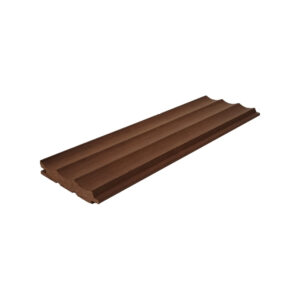
Wood selection plays a critical role in sauna safety. Quality aspen and alder naturally resist heat damage and don’t contain resins that could create slippery surfaces or release toxic fumes when heated. These woods maintain their structural integrity even under extreme temperature fluctuations, preventing warping or splitting that could create injury risks.
Regular maintenance also contributes significantly to sauna safety. This includes checking all wooden surfaces for wear, ensuring door mechanisms function properly, and verifying that all safety systems remain in working order. A well-maintained sauna built with appropriate materials can provide decades of safe use.
How should proper ventilation work in an authentic Finnish sauna?
Proper sauna ventilation requires fresh air intake near floor level and exhaust vents positioned higher up, creating continuous air circulation that maintains oxygen levels while removing excess moisture and carbon dioxide. This air exchange system should replace the entire sauna air volume multiple times per hour.
The intake vent typically sits close to the sauna heater, allowing incoming fresh air to warm before circulating through the space. This positioning prevents cold drafts while ensuring an adequate oxygen supply. The exhaust vent, positioned on the opposite wall at a higher level, draws out humid, oxygen-depleted air.
Without adequate ventilation, carbon dioxide can accumulate to dangerous levels, and excessive humidity can create conditions for mold growth or wood deterioration. Proper air circulation also helps maintain consistent temperature distribution throughout the sauna, preventing dangerous hot spots or uncomfortably cool areas.
What temperature and humidity controls are essential for sauna safety?
Essential temperature controls include accurate thermometers, adjustable heater settings, and automatic safety shutoffs that prevent overheating beyond safe limits. Humidity control involves proper ventilation and the ability to regulate steam levels through controlled water application to heated stones.
Temperature monitoring requires reliable thermometers positioned at user level, not just near the ceiling where heat naturally accumulates. This placement provides accurate readings for the temperature users actually experience. Many modern sauna heaters include built-in temperature limiters that automatically reduce heat output or shut down if temperatures exceed predetermined safety thresholds.
Humidity management works hand in hand with temperature control. Too much humidity combined with high heat can create dangerous conditions, while too little can make the air uncomfortably dry. The traditional Finnish approach of gradually adding small amounts of water to heated stones allows users to control humidity levels safely and incrementally.
How do electrical systems need to be designed for sauna safety?
Sauna electrical systems require specialized high-temperature wiring, moisture-resistant components, and ground-fault circuit-interrupter (GFCI) protection to prevent electrical hazards in the high-heat, high-humidity environment. All electrical components must be rated for sauna use and installed according to local electrical codes.
Wiring insulation must withstand sustained high temperatures without degrading or becoming brittle. Standard household wiring insulation can fail in sauna conditions, creating fire risks or electrical faults. Professional installation ensures that all connections remain secure even as materials expand and contract with temperature changes.
Lighting fixtures require special attention, as standard bulbs and fixtures can shatter or malfunction under extreme heat. Sauna-rated lighting uses heat-resistant materials and protective covers. All switches and controls should be positioned outside the main sauna chamber or use moisture-resistant, high-temperature-rated components.
What fire safety features should every Finnish sauna include?
Every Finnish sauna should include proper clearances around the heater, fire-resistant materials in high-heat areas, smoke detection systems, and easily accessible fire-extinguishing equipment designed for electrical and wood fires. These features work together to prevent fires and enable a quick response if problems occur.
Heater clearances follow specific measurements that prevent combustible materials from reaching ignition temperatures. This includes adequate space above, around, and below the heater unit. Heat shields or fire-resistant boards protect nearby wooden surfaces from direct radiant heat that could cause charring or ignition over time.
Detection systems should include both smoke and heat sensors positioned appropriately for sauna conditions. Standard smoke detectors may not function properly in a steamy environment, so specialized heat detectors often provide more reliable fire detection. Emergency lighting and clear exit routes ensure safe evacuation even if primary lighting fails.
When planning your authentic Finnish sauna, these safety features deserve the same attention as aesthetic choices. At Pieksäwood, we understand that true sauna enjoyment comes from knowing your space is built right from the ground up, using quality wood products for sauna construction like our carefully selected aspen and alder that contribute to both safety and an authentic sauna experience.
Ready to build your safe, authentic Finnish sauna?
Creating a sauna that combines traditional Finnish design with modern safety standards requires expertise and quality materials. Our team specializes in helping you navigate every aspect of sauna construction, from selecting the right wood species to implementing proper safety systems. Contact our experts today to discuss your sauna project and ensure your investment provides years of safe, authentic Finnish sauna experiences.