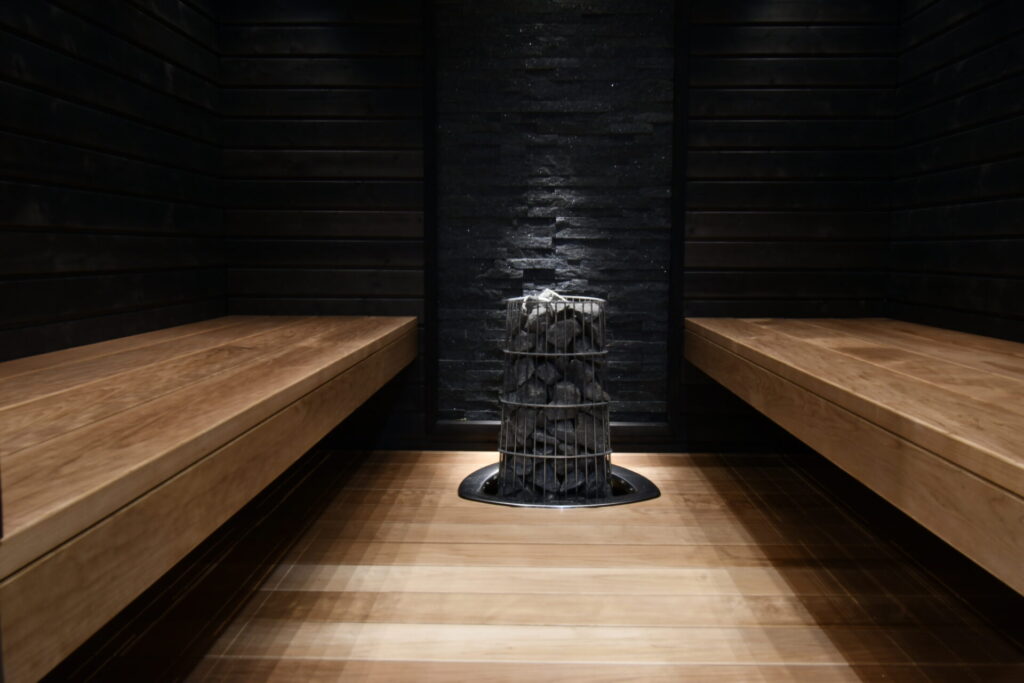
Sauna use is a proven, natural method for reducing stress. The combination of heat exposure, physical relaxation, and mental quiet creates measurable changes in the body’s stress response systems, making regular sauna sessions one of the most effective wellness habits you can build. Below, we answer the most common questions about sauna stress relief, from how the heat works on your body to which materials create the best environment for deep relaxation.
How does sauna heat actually reduce stress in the body?
Sauna heat reduces stress by triggering a controlled physical response that forces the body to shift out of tension and into recovery mode. When you enter a hot sauna, your core temperature rises, blood vessels dilate, circulation increases, and your muscles begin to release the tightness that accumulates during a stressful day. This physical unwinding signals the nervous system to downregulate its stress response.
The key mechanism is the activation of the parasympathetic nervous system, often called the “rest and digest” system, which counteracts the “fight or flight” state that chronic stress keeps many people locked in. Heat exposure also triggers the release of endorphins, the body’s natural feel-good chemicals, which produce a sense of calm and mild euphoria after a session.
Cortisol, the primary stress hormone, tends to decrease following sauna use, while the body’s overall hormonal balance shifts toward a more relaxed state. This is not a placebo effect. The physiological changes are real, repeatable, and cumulative with regular use, which is why sauna therapy has been central to Finnish wellness culture for thousands of years.
What happens to your brain during a sauna session?
During a sauna session, the brain reduces activity in regions associated with anxiety and rumination while increasing the release of mood-regulating neurochemicals. Heat stress prompts the release of beta-endorphins and norepinephrine, both of which influence mood, focus, and emotional regulation. Many people report mental clarity and calm that persist for hours after leaving the sauna.
One particularly well-documented effect is the release of dynorphins, compounds that temporarily create a mild sense of discomfort during intense heat exposure. In response, the brain upregulates its sensitivity to endorphins, meaning the feel-good response after the sauna is stronger and longer-lasting than it would otherwise be. This is part of why regular sauna users often describe a deep sense of wellbeing that extends well beyond the session itself.
Heat exposure also promotes the production of brain-derived neurotrophic factor (BDNF), a protein that supports the growth and maintenance of neurons and plays a role in reducing symptoms of anxiety and depression. While sauna use alone is not a clinical treatment for mental health conditions, the neurochemical environment it creates is genuinely supportive of mental wellness.
How often should you use a sauna for stress relief?
For meaningful stress relief, using a sauna two to four times per week is widely considered an effective frequency. This regularity allows the body to build on each session’s benefits rather than treating each visit as a one-off event. Even one session per week provides noticeable relief, but consistency is what produces lasting improvements in stress resilience and overall mood.
Session length matters as well. Most wellness guidance points to sessions of 15 to 20 minutes at a time, with a cooling period in between if you take multiple rounds. Beginners should start with shorter sessions and lower temperatures, allowing the body to adapt gradually. Pushing too hard too soon can cause fatigue rather than relaxation, which defeats the purpose.
The time of day also influences the quality of stress relief. An evening sauna session is particularly effective for unwinding after work, as the post-sauna drop in core body temperature mirrors the natural cooling process that precedes deep sleep. Many people find that regular evening sauna use improves both their stress levels and their sleep quality simultaneously.
What’s the difference between Finnish sauna and infrared sauna for stress?
The key difference between Finnish sauna and infrared sauna for stress relief is how each heats the body and the depth of that heat. A traditional Finnish sauna heats the air around you to high temperatures, typically between 70 and 100 degrees Celsius, while an infrared sauna uses light waves to heat the body directly at lower ambient temperatures, usually between 45 and 60 degrees Celsius.
Finnish sauna for stress
The Finnish sauna experience is immersive and culturally rich. The high heat, steam from löyly (water thrown on hot stones), and the ritual nature of the session create a powerful combination of physical and psychological relaxation. The intense heat drives a strong physiological response, including vigorous circulation, deep muscle relaxation, and significant endorphin release. For many people, the social and ritualistic dimensions of the Finnish sauna add a layer of mental decompression that infrared simply cannot replicate.
Infrared sauna for stress
Infrared saunas operate at lower temperatures, making them more accessible for people who find intense heat uncomfortable or who have certain cardiovascular sensitivities. The penetrating warmth of infrared can feel deeply soothing and is often described as gentler on the respiratory system. While the physiological stress-relief mechanisms are similar, the overall intensity is lower, and the cultural and sensory richness of the traditional Finnish experience is absent. For pure accessibility and convenience, infrared is a practical option. For the full sauna wellness experience, the traditional Finnish sauna remains the gold standard.
What type of wood makes the best sauna environment for relaxation?
The best woods for a relaxing sauna environment are aspen and black alder, both of which are knot-free, resin-free, and gentle to the touch even at high temperatures. The wood used in a sauna directly affects how comfortable, safe, and aesthetically calming the space feels. Woods that overheat, splinter, or release resin under heat create discomfort and distraction, working against the relaxation you are trying to achieve.
Aspen is particularly prized for sauna benches because its surface stays smooth and does not become uncomfortably hot even in intense heat. It does not release resins or strong odours, which keeps the sauna air clean and the sensory experience calm. Black alder shares these qualities and offers a slightly darker, warmer visual tone that many people find deeply inviting.
Thermally modified versions of these woods offer additional durability and moisture resistance, making them excellent choices for saunas that see heavy use. We produce our sauna benches and panels from quality wood, both in standard and thermally modified form, specifically because these materials create the kind of environment where genuine relaxation is possible. The wood’s warmth, smoothness, and natural appearance contribute to the psychological dimension of stress relief just as much as the heat itself does.
Can sauna use replace other stress management methods?
Sauna use is a powerful complement to other stress management methods, but it works best as part of a broader wellness routine rather than as a standalone replacement. It addresses the physical dimension of stress very effectively, relaxing muscles, regulating hormones, and supporting sleep. However, chronic stress often has cognitive, emotional, and behavioural dimensions that sauna alone does not resolve.
Think of sauna therapy as a foundational layer. It creates a physiological state that makes other stress management practices more effective. Meditation, exercise, quality sleep, and meaningful social connection all work better when the body is not locked in a chronic state of physical tension. Regular sauna use helps establish that baseline of physical calm.
For people dealing with mild to moderate everyday stress, a consistent sauna routine combined with basic lifestyle habits like regular movement, adequate sleep, and time outdoors can be genuinely transformative. For those managing clinical anxiety, burnout, or stress-related health conditions, sauna is a valuable supportive tool, but professional guidance remains important. The Finnish approach has always treated the sauna as a place of holistic restoration, not a medical intervention, and that framing remains the most honest and useful way to understand its role in natural stress relief. Get in touch with our sauna specialists to learn more about building the right environment for your wellness needs.