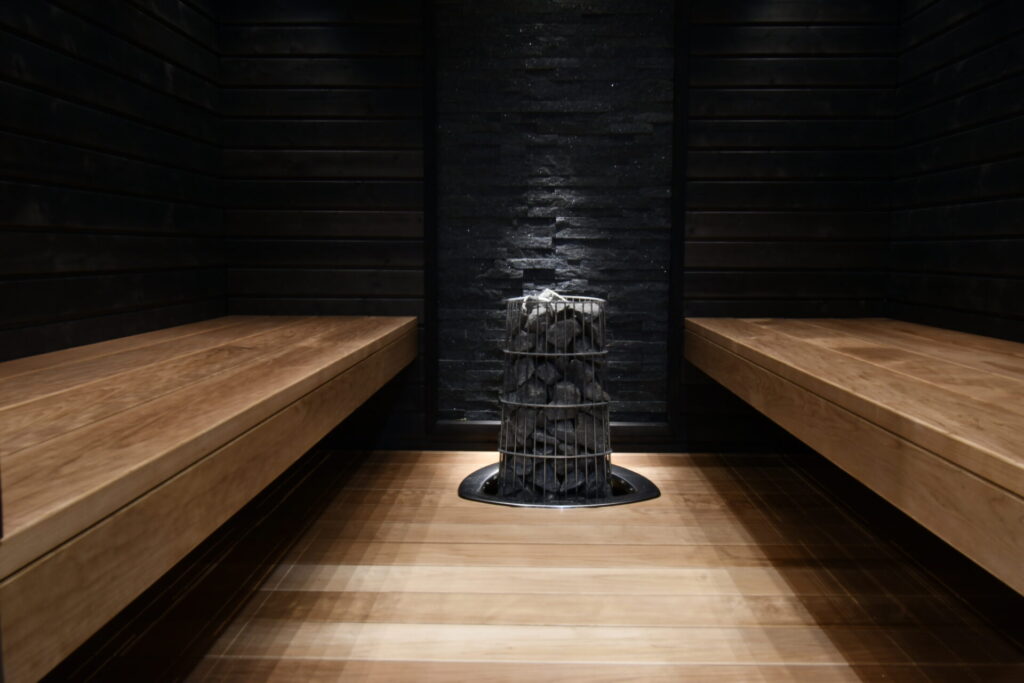
For most healthy adults, using a sauna three to four times per week delivers meaningful health benefits. Daily use is also well-tolerated by those who are accustomed to it, while even one or two sessions per week provide noticeable positive effects. The key variable is consistency over time rather than any single session.
Finnish sauna culture, which has shaped how the world understands sauna bathing, has long treated regular sauna use as a natural part of weekly life rather than an occasional treat. The health benefits of sauna compound with habitual use, meaning a steady routine matters far more than occasional intense sessions.
Below, we answer the most common questions about sauna frequency, session length, and how to get the most from your time in the heat.
How many times a week should you use a sauna?
Three to four sauna sessions per week is the frequency most commonly associated with significant health benefits. Research and long-standing tradition both point to this range as a practical sweet spot for healthy adults. Daily use is safe for those who are already accustomed to regular sauna bathing, but beginners should start with one or two sessions per week and build up gradually.
The reason frequency matters so much is that many of the body’s responses to sauna heat, such as improved circulation, muscle relaxation, and stress reduction, are cumulative. A single session produces temporary effects, but repeated exposure trains the cardiovascular system to respond more efficiently over time.
If your schedule only allows one session per week, that is still worthwhile. The benefits simply scale with regularity. Think of sauna use the way you would think of exercise: doing it once is better than not doing it at all, but a consistent weekly habit is where the real results appear.
What health benefits does regular sauna use actually provide?
Regular sauna use supports cardiovascular health, aids muscle recovery, reduces stress, and may improve sleep quality. The heat exposure causes the heart rate to rise in a way that mimics moderate aerobic exercise, which over time can contribute to better heart function and circulation. These sauna health benefits are most pronounced when sauna bathing becomes a consistent habit rather than an occasional event.
Beyond cardiovascular effects, the deep warmth of a sauna session relaxes muscles and eases joint tension, making it particularly useful after physical activity. Many people also report significant mental health benefits, including reduced anxiety and an improved sense of well-being, which is linked to the release of endorphins during heat exposure.
Skin health is another area where regular sauna use shows positive effects. Sweating opens pores and promotes circulation to the skin’s surface, which can contribute to a clearer complexion over time. The respiratory benefits of breathing warm, clean air in a well-maintained sauna are also worth noting, particularly for those who experience sinus congestion.
It is important to stay well hydrated before and after each session, as the body loses fluids rapidly through sweat. Drinking water before entering the sauna and replenishing fluids afterwards protects these benefits and prevents the fatigue that can follow dehydration.
How long should each sauna session last?
A single sauna session of 15 to 20 minutes is the recommended duration for most adults. This is long enough to raise core body temperature meaningfully and trigger the physiological responses associated with sauna health benefits, without placing excessive strain on the body. Experienced sauna users often take multiple rounds of 10 to 20 minutes separated by cooling periods.
The traditional Finnish approach involves alternating between the heat of the sauna and a cooling phase, whether that means stepping outside, taking a cool shower, or in classic fashion, a dip in a lake. This contrast between heat and cold amplifies the cardiovascular response and leaves most people feeling deeply refreshed.
Beginners should keep initial sessions shorter, around 5 to 10 minutes, and pay close attention to how their body responds. Dizziness, nausea, or a feeling of overheating are signals to exit immediately and cool down. As tolerance builds over several weeks, session length can be extended comfortably.
Does sauna frequency need to change based on age or health condition?
Yes, sauna frequency and session length should be adjusted for older adults and anyone with an existing health condition. Older adults generally tolerate sauna heat well but may need shorter sessions and more time to cool down between rounds. People with cardiovascular conditions, low blood pressure, or respiratory issues should consult a doctor before establishing a regular sauna routine.
For older adults in good health, two to three sessions per week at moderate temperatures is a sensible starting point. The benefits of sauna use, including improved circulation and reduced muscle stiffness, are particularly relevant for this age group, but the body’s ability to regulate temperature becomes less efficient with age, so caution is warranted.
Pregnant women are generally advised to avoid high-temperature sauna use, especially during the first trimester. Children can use saunas at lower temperatures for shorter durations, but they should always be accompanied by an adult and should leave the sauna at the first sign of discomfort.
Anyone on medications that affect blood pressure, heart rate, or fluid balance should speak with a healthcare provider, as sauna heat interacts with several types of medication in ways that can be unpredictable.
What’s the difference between dry sauna and steam sauna for health use?
A dry sauna operates at higher temperatures, typically between 80 and 100 degrees Celsius, with low humidity, while a steam sauna (also called a steam room) runs at lower temperatures, around 40 to 50 degrees Celsius, with humidity near 100 percent. Both offer health benefits, but they do so through different mechanisms and suit different preferences and needs.
Dry sauna
The traditional Finnish sauna is a dry sauna, and it is the format most closely associated with the cardiovascular and metabolic health benefits of sauna use. The intense, dry heat causes rapid and significant sweating, raises heart rate substantially, and produces the deep muscle relaxation that sauna culture is known for. The high-quality bench woods used in a proper dry sauna, such as aspen or black alder, stay comfortable to the touch even at these temperatures because they do not conduct heat to the skin the way denser woods would.
Steam sauna
Steam saunas are gentler on the respiratory system and are often recommended for people with sinus issues, dry skin, or conditions that make very high heat uncomfortable. The moist heat penetrates the skin differently and can feel more intense at lower temperatures due to the humidity. Steam rooms are also popular for skincare routines because the moisture supports the skin’s surface directly during the session.
For general health use, both formats are beneficial. The choice often comes down to personal preference and what your body responds to best. Many dedicated sauna enthusiasts enjoy both, using them for different purposes depending on the day.
Can you use a sauna too often?
Yes, it is possible to use a sauna too often, though for most healthy adults daily use is generally safe when sessions are kept to a reasonable length and proper hydration is maintained. The risk of overuse is not from the heat itself but from cumulative dehydration, electrolyte loss, and insufficient recovery time between sessions.
Signs that you may be using the sauna too frequently include persistent fatigue, headaches, difficulty sleeping, or skin that feels dry and irritated. These are signals that the body is not recovering fully between sessions. Reducing frequency or shortening session duration usually resolves these symptoms quickly.
Quality matters as much as frequency. A well-built sauna with properly selected materials, good ventilation, and the right temperature range makes each session more comfortable and more effective. We craft our sauna bench woods and timber products from premium Finnish aspen and black alder, materials that have been used in Nordic saunas for generations precisely because they handle heat and moisture so well while remaining gentle on the skin.
The bottom line is that sauna use is a practice best approached with consistency and awareness. Three to four times per week, for sessions of 15 to 20 minutes, with good hydration and adequate cooling periods, is a framework that works well for most people and delivers the full range of health benefits that regular sauna bathing has to offer. If you have questions about sauna materials or need guidance, feel free to contact us for expert sauna advice.