Authentic Finnish saunas are a wellness essential because they combine intense heat, steam, and a deeply rooted cultural ritual that supports both physical recovery and mental restoration. Unlike many modern spa experiences, the traditional Finnish sauna is built around specific materials, practices, and a philosophy of slowing down that makes it genuinely restorative. The questions below unpack exactly what makes a Finnish sauna authentic, why it benefits your health, and how to bring that experience home.
What makes a sauna authentically Finnish?
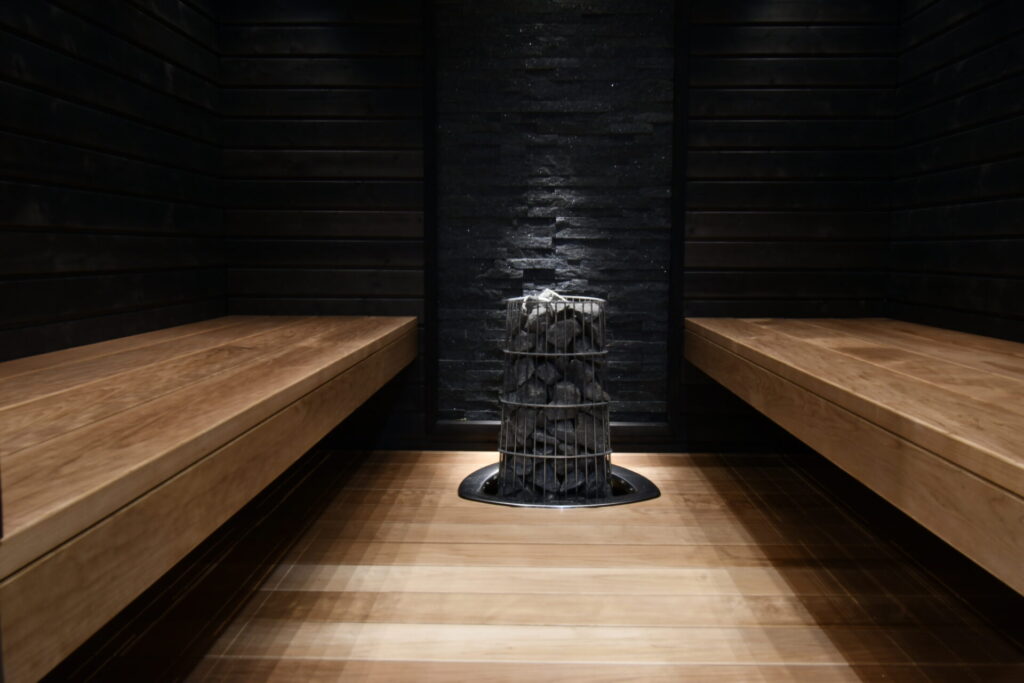
An authentic Finnish sauna is defined by a wood-heated or electric stove topped with stones, a wooden interior, and the practice of throwing water on the hot stones to create steam known as löyly. Temperatures typically range between 70 and 100 degrees Celsius, and the experience is as much a cultural ritual as a physical one. Silence, unhurried time, and a connection to nature are all part of what makes it genuinely Finnish.
The authenticity of a Finnish sauna goes beyond the hardware. In Finland, the sauna has been a place for washing, healing, giving birth, and gathering for centuries. It is estimated that Finland has more saunas per capita than any other country in the world, and the tradition was added to UNESCO’s list of intangible cultural heritage in 2020. An authentic sauna respects this heritage by prioritizing simplicity, natural materials, and the right kind of heat over gimmicks or luxury add-ons.
The wood used inside the sauna plays a central role in authenticity. Smooth, knot-free timber that stays comfortable to the touch even at high temperatures is essential, which is why traditional Finnish sauna builders have long favored specific domestic species over imported or synthetic alternatives.
What are the proven health benefits of regular sauna use?
Regular sauna use supports cardiovascular health, muscle recovery, stress reduction, and improved sleep. The heat causes the heart rate to rise in a way similar to moderate exercise, blood vessels to dilate, and circulation to increase throughout the body. These physiological responses have been studied extensively in Finland, where sauna bathing is a lifelong habit for a large portion of the population.
Beyond cardiovascular benefits, the deep warmth of a traditional sauna helps relax tense muscles and ease joint stiffness, making it popular among athletes and people with physically demanding work. The mental health benefits are equally significant. Time in a sauna encourages the body to release endorphins, lowers cortisol levels, and creates a quiet, heat-induced calm that many people describe as a reset for the nervous system.
Consistent sauna use over time is associated with better sleep quality, as the drop in core body temperature after a session signals the body to move toward deeper rest. For people dealing with chronic stress or fatigue, this makes sauna bathing one of the most accessible and natural wellness tools available.
What wood is used in a traditional Finnish sauna?
Traditional Finnish saunas are built primarily from aspen (haapa) and black alder (tervaleppä), both of which are knot-free, resin-free, and remain comfortable to the touch even at very high temperatures. These properties make them the ideal choice for sauna benches and wall panels, where skin contact and heat resistance are critical.
Aspen is particularly prized for its smooth, pale surface and its ability to handle repeated cycles of heat and moisture without warping or releasing resins that could irritate skin. Black alder offers a warmer tone and similar performance characteristics. Both species are native to Finland, making them a natural fit for domestic sauna production.
Heat-treated versions of these timbers are also used in modern sauna construction. The thermal modification process drives out moisture and organic compounds, making the wood even more dimensionally stable and resistant to the demanding conditions inside a sauna. We at Pieksäwood have over 20 years of experience in heat treatment, specializing in aspen and black alder, and we manage the entire production chain in Pieksämäki, Finland, from our own sawmill through to planing and packaging.
How is a Finnish sauna different from other types of saunas?
A Finnish sauna is distinguished from other sauna types by its high dry heat, the active use of steam through löyly, and its cultural depth. Turkish hammams rely on lower temperatures and very high humidity. Infrared saunas use radiant heat rather than convective heat and do not involve steam. Steam rooms operate at near-saturation humidity but far lower temperatures than a Finnish sauna.
The Finnish sauna typically operates at 70 to 100 degrees Celsius with relatively low ambient humidity until water is poured on the stones, at which point a burst of steam briefly raises humidity before it dissipates. This cycle of dry heat and short steam bursts creates a sensation that is intense but breathable, which is very different from the constant dampness of a steam room.
The cultural dimension also sets it apart. A Finnish sauna is not a spa amenity or a luxury feature. It is a space for equality, honesty, and restoration. Finns say that in the sauna, everyone is the same. This philosophy shapes how the space is designed, how it is used, and what it means to spend time there.
How often should you use a sauna to get wellness benefits?
Most research and traditional Finnish practice suggest that two to four sauna sessions per week is a range that delivers meaningful wellness benefits for most healthy adults. Each session typically lasts between 15 and 30 minutes, often split into shorter rounds with cooling breaks in between. Daily use is common in Finland and is generally considered safe for people without contraindications.
The key is consistency over intensity. Occasional long sessions are less effective than regular shorter ones. The body adapts to heat exposure over time, and the cardiovascular and relaxation benefits compound with habitual use. For people new to sauna bathing, starting with shorter sessions at lower temperatures and building gradually is the sensible approach.
Anyone with heart conditions, low blood pressure, or other health concerns should consult a doctor before establishing a regular sauna habit. Staying hydrated before and after each session is important regardless of frequency.
Where can you find authentic Finnish sauna materials and products?
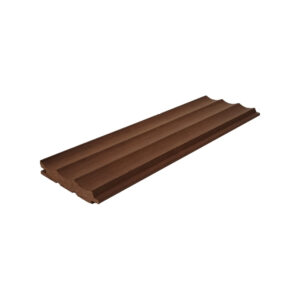
Authentic Finnish sauna materials, including aspen and black alder benches, panels, and trim, are best sourced directly from Finnish manufacturers who control the full production process and use domestically harvested timber. This ensures the wood meets the quality standards that genuine sauna construction demands, from surface smoothness to heat and moisture resistance.
We at Pieksäwood manufacture sauna benches and panels in Pieksämäki, Finland, using responsibly sourced Finnish aspen and black alder, both in natural and heat-treated form. Every product is carefully planed and hand-inspected before leaving our facility. Our range also includes heat-treated radiata pine products and custom-dimensioned solutions for builders, designers, and private customers who want something tailored to their project.
When evaluating suppliers, look for full traceability from raw material to finished product, consistent grading standards, and a team that can answer technical questions about the wood’s performance in sauna conditions. These details separate genuine sauna specialists from general timber suppliers, and they make a real difference in the longevity and quality of the finished sauna. You can explore our Finnish timber and wood products or contact us for custom sauna solutions tailored to your project.