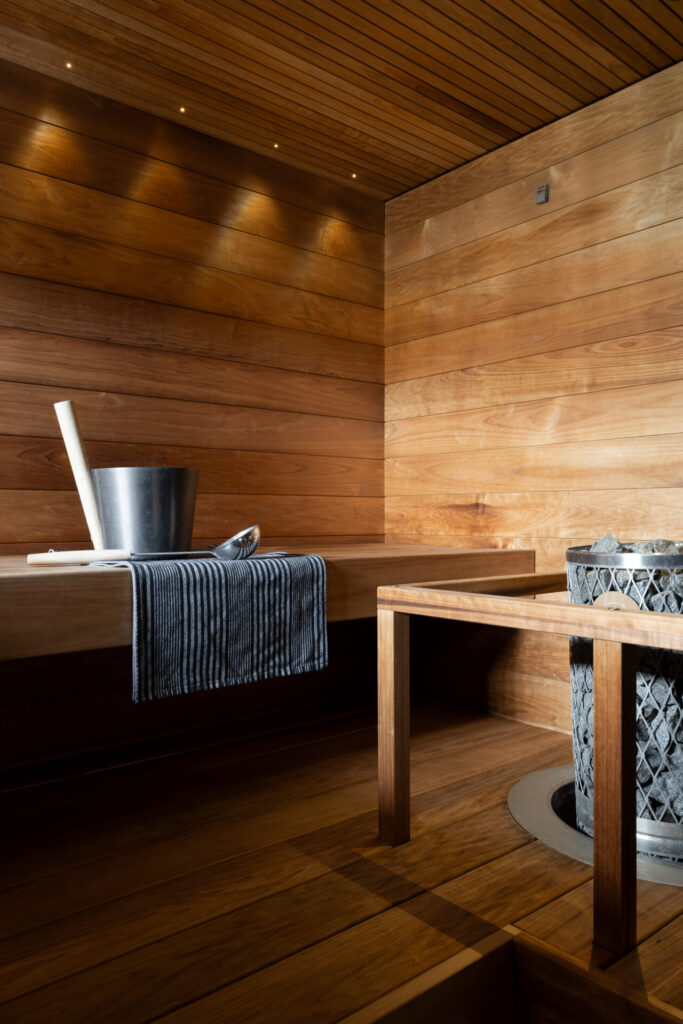
Yes, sauna use can help reduce symptoms of depression for many people. Heat exposure triggers a cascade of physiological responses in the body and brain, including the release of mood-regulating chemicals, that can genuinely lift emotional wellbeing. The effect is not guaranteed or universal, but the evidence is promising enough to take seriously. Below, we answer the most common questions about sauna and mental health so you can make an informed decision.
How does sauna use affect the brain and mood?
Sauna use affects the brain and mood primarily by triggering the release of endorphins, serotonin, and other neurochemicals that regulate emotional state. The intense heat causes the body to respond much like it does during moderate exercise, producing a natural sense of relaxation and wellbeing that can last for hours after a session.
When you sit in a sauna, your core body temperature rises and your heart rate increases. This briefly activates the sympathetic nervous system, followed by a longer parasympathetic rebound, which is the biological equivalent of a deep exhale. Many people describe this as a feeling of calm alertness after a session rather than fatigue.
Heat exposure also stimulates the production of dynorphins, which are molecules that, paradoxically, make the brain more sensitive to endorphins over time. This may explain why regular sauna users often report a cumulative improvement in mood rather than just a short-term boost. Additionally, the ritual of sauna, particularly the Finnish tradition of quiet, unhurried time away from screens and stress, provides a form of mindfulness that has its own documented mental health value.
What does the research say about sauna and depression?
Research into sauna use and depression is still developing, but early findings are encouraging. Several studies have examined whole-body hyperthermia, the deliberate raising of core body temperature, as a potential treatment for major depressive disorder, and some have found meaningful reductions in depressive symptoms lasting days or even weeks after a single session.
One area of particular scientific interest is the relationship between body temperature regulation and mood. People with depression often show disrupted thermoregulatory patterns, and researchers have proposed that externally raising body temperature may help reset some of these patterns. The mechanism is not fully understood, but the hypothesis is grounded in observable physiological data.
It is important to be clear that most of the research in this area uses controlled clinical settings and specific protocols rather than standard home or gym saunas. The results are promising, but the field is not yet at a point where doctors prescribe sauna sessions as a primary treatment. What the research does support is that regular sauna use, as part of a broader healthy lifestyle, is associated with improved mood and reduced psychological distress in the general population.
How often should you use a sauna to notice mental health benefits?
Most evidence points to at least two to four sauna sessions per week as the threshold where mental health benefits become more consistent and noticeable. Single sessions can produce an immediate mood lift, but the more meaningful and lasting improvements in emotional wellbeing tend to emerge with regular, repeated use over several weeks.
Session length also matters. Sessions of around 15 to 20 minutes at a comfortable temperature appear to be sufficient for most people to experience the physiological responses associated with mood improvement. Longer or hotter sessions do not necessarily produce proportionally greater mental health benefits and carry a higher risk of dehydration or overheating.
Consistency is more important than intensity. Building sauna use into a weekly routine, much like exercise, seems to produce the most reliable results. If you are new to sauna, starting with shorter sessions two or three times a week and gradually increasing duration as your body adapts is a sensible approach.
Is sauna therapy safe for people with depression?
For most people with depression, sauna use is safe and well-tolerated. However, certain medications commonly prescribed for depression, including some antidepressants and mood stabilisers, can affect how the body regulates heat, which means anyone on psychiatric medication should consult their doctor before starting regular sauna use.
Dehydration is the most common risk for any sauna user, and it is worth noting that dehydration itself can worsen mood and cognitive function. Drinking water before and after a session, avoiding alcohol before sauna, and listening to your body are straightforward precautions that apply to everyone.
People experiencing severe depressive episodes, particularly those with significant fatigue, low blood pressure, or cardiovascular concerns, should get medical clearance before using a sauna regularly. For the majority of people with mild to moderate depression who are otherwise physically healthy, sauna presents a low-risk, potentially beneficial addition to their self-care routine.
Can sauna replace conventional depression treatment?
No, sauna use cannot replace conventional depression treatment such as psychotherapy or antidepressant medication. Depression is a complex medical condition, and for moderate to severe cases, evidence-based clinical treatments remain the most reliable and effective interventions available. Sauna should be viewed as a complementary practice, not a substitute.
That said, complementary does not mean trivial. For people with mild depressive symptoms, or those in recovery who want to support their mental health between therapy sessions, regular sauna use can be a meaningful part of a broader wellness strategy. The benefits of heat exposure, physical relaxation, improved sleep quality, and reduced stress hormones all contribute to emotional resilience.
The most honest framing is this: sauna is a tool, not a cure. Used alongside proper medical care, it may help some people feel better more consistently. Used instead of proper medical care, it is not a reliable solution for clinical depression. If you would like personalised guidance on finding the right sauna setup, feel free to get in touch with our team.
What type of sauna is best for mental health benefits?
Traditional Finnish saunas, which use dry heat with the option to add steam through water poured on heated stones, are the most studied type in relation to mental health and appear to offer the full range of physiological benefits associated with heat exposure. Infrared saunas, which heat the body directly rather than the surrounding air, have also shown promise in preliminary research and may be more accessible for some users.
The honest answer is that the type of sauna matters less than the consistency of use and the quality of the experience. A sauna you enjoy and use regularly will deliver more benefit than a technically superior option you rarely visit.
What does matter is the environment itself. A well-built sauna made from quality materials contributes to the overall experience in ways that are easy to underestimate. Smooth, heat-resistant wood that stays comfortable to the touch, good ventilation, and a space that feels calm and inviting all support the kind of relaxed, restorative session that produces the best outcomes for mood. We use premium Finnish aspen and black alder in our sauna benches and panelling precisely because these materials stay pleasant even in intense heat, making the sauna experience as comfortable as possible. A sauna that feels good to be in is one you will actually use, and consistency is what drives the mental health benefits.