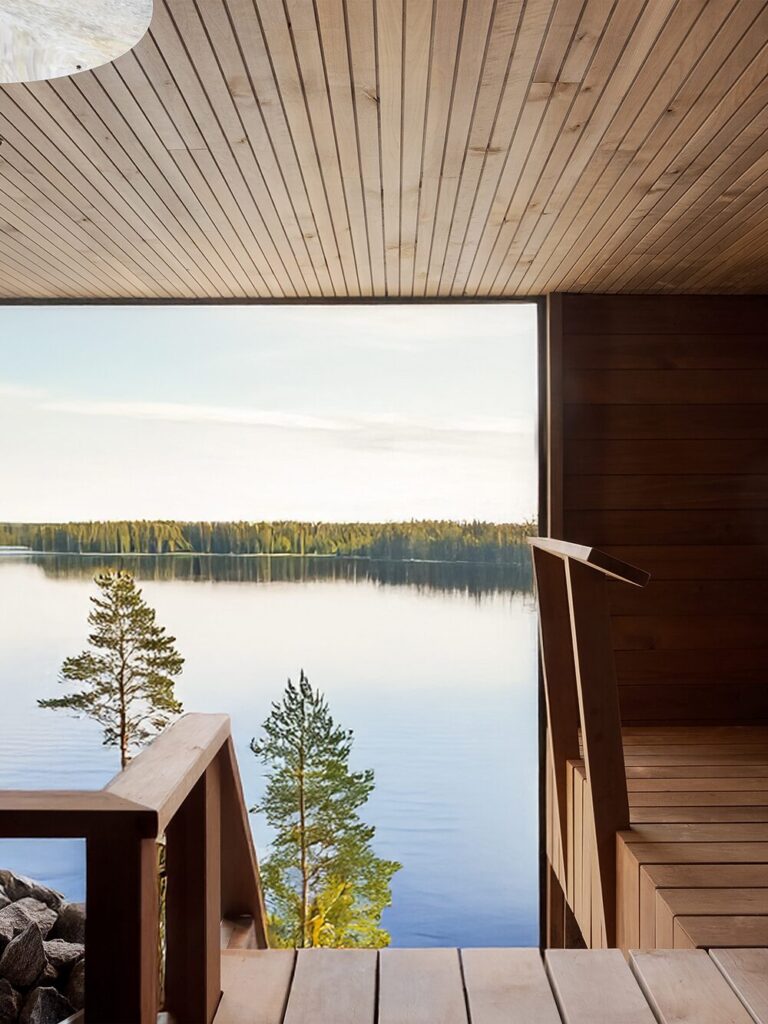
The Finnish forest lives in every sauna built from native timber. Aspen and black alder are the two woods most closely associated with authentic Finnish sauna culture, prized for their smooth, resin-free surfaces that stay comfortable even at high temperatures. Below, we answer the most common questions about sauna wood selection, from traditional species to thermally modified options and responsible sourcing.
What types of wood are traditionally used in Finnish saunas?
The most traditional sauna woods in Finland are aspen and black alder, used for both benches and paneling. Spruce and pine have also been widely used for sauna walls and ceilings, though their resin content makes them less suitable for bench surfaces. Each species brings distinct properties that suit different parts of the sauna.
Aspen has long been the benchmark material for sauna benches in Finland. It is naturally pale, knot-free, and completely resin-free, which means it heats up gently and never becomes uncomfortably hot to sit on. Black alder shares many of these qualities and adds a warm, reddish tone that many sauna builders find visually striking.
Spruce and pine remain common choices for sauna wall paneling because they are widely available and easy to work with. However, their natural resin can seep out under heat, which is why knot-free grades are strongly preferred when they are used in hotter zones. For benches and areas in direct contact with skin, aspen and black alder consistently outperform softwoods in both comfort and durability.
Why is aspen considered the best wood for sauna benches?
Aspen is widely regarded as the finest sauna bench wood because it is completely resin-free, has low thermal conductivity, and its surface remains smooth and splinter-resistant under repeated heat and moisture cycles. These properties mean the wood stays comfortable against bare skin even in a hot sauna, and it does not release sticky or aromatic resins that can irritate sensitive users.
The low thermal conductivity of aspen is particularly important for bench use. Wood that conducts heat quickly becomes too hot to sit on when sauna temperatures climb. Aspen absorbs and releases heat slowly, maintaining a surface temperature that feels warm rather than burning. This is a natural characteristic of the species, not something achieved through treatment or processing.
Finnish aspen also tends to grow with a tight, even grain that machines cleanly into smooth panels and bench boards. When planed carefully, the surface has a silky quality that holds up well over years of use. We source our aspen from Finnish forests and saw it ourselves at our own mill in Pieksämäki, which gives us direct control over the quality of every board before it reaches the planing stage.
What is thermally modified wood and how does it benefit sauna use?
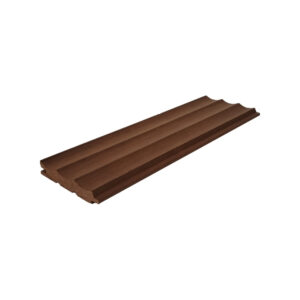
Thermally modified wood is timber that has been heat-treated in a controlled environment using only hot air and steam, with no chemicals involved. The process permanently alters the wood’s cellular structure, reducing its moisture absorption, improving dimensional stability, and deepening its color to a rich, warm brown. For sauna use, these changes translate directly into longer service life and consistent performance.
The key benefit for saunas is dimensional stability. Untreated wood expands and contracts as it absorbs and releases moisture, which over time can cause boards to warp, crack, or loosen from fixings. Thermally modified wood absorbs significantly less moisture, so it moves far less across seasonal and daily humidity cycles. This makes it especially well suited to the demanding environment of a sauna, where temperatures and humidity levels shift dramatically during every session.
Thermal modification also enhances the natural durability of the wood without introducing any toxic compounds. Because the process uses only heat and water vapor, the finished product is safe for enclosed spaces and direct skin contact. The deep brown tone produced by modification gives sauna interiors a distinctive, premium appearance that many designers and homeowners find more visually refined than pale untreated timber.
What is the difference between thermally modified aspen and black alder for saunas?
Thermally modified aspen and thermally modified black alder are both excellent sauna materials, but they differ in color, grain character, and the feel they bring to a finished interior. Modified aspen takes on a warm golden-brown tone, while modified black alder develops a deeper, richer reddish-brown. Both are resin-free, dimensionally stable, and suitable for benches and paneling.
Thermally modified aspen
Aspen has a fine, even grain with minimal figure, which gives thermally modified aspen a calm, consistent appearance. The color after modification is a medium warm brown that works well in contemporary and minimalist sauna designs. Because aspen is naturally very light and has low thermal conductivity, the modified version retains the comfortable surface temperature that makes aspen the traditional benchmark for bench wood. It is a strong choice when a clean, understated aesthetic is the priority.
Thermally modified black alder
Black alder has a slightly more pronounced grain than aspen, and after thermal modification it develops a deeper, warmer tone with subtle reddish undertones. This gives it a more characterful appearance that suits both traditional and contemporary sauna interiors. Like aspen, black alder is completely resin-free and has excellent thermal properties for bench surfaces. It is a particularly popular choice when the sauna design calls for richer, more expressive wood tones without sacrificing comfort or durability.
How do you choose the right sauna wood for your project?
Choosing the right sauna wood depends on where the material will be used, the visual style you are aiming for, and how much maintenance you are prepared to do over time. The most important factors are resin content, thermal conductivity, and dimensional stability, because these directly affect comfort, safety, and longevity in a sauna environment.
For bench surfaces, always prioritize resin-free species. Aspen and black alder, whether untreated or thermally modified, are the safest and most comfortable choices for direct skin contact. If you want a pale, natural look, untreated aspen is the classic option. If you prefer a deeper, more refined tone with enhanced durability, thermally modified aspen or black alder will serve you better and require less maintenance over the years.
For wall and ceiling paneling, the requirements are less strict, and a wider range of species becomes viable. Spruce and pine are cost-effective options for walls, though knot-free grades are worth the investment in hotter zones. Aspen and alder paneling creates a visually unified interior when matched with the bench boards, which many sauna builders and designers prefer for a cohesive result.
For outdoor saunas or saunas in public facilities, thermally modified wood is the stronger choice across the board. Its resistance to moisture movement and improved durability reduce the risk of warping and extend the time between maintenance cycles, which matters significantly in commercial or high-use settings. Browse our Finnish sauna wood products and materials to find the right option for your project.
Where does responsibly sourced Finnish sauna wood come from?
Responsibly sourced Finnish sauna wood comes from sustainably managed Finnish forests, where harvesting is regulated to ensure long-term forest health and biodiversity. The most traceable supply chains run from certified Finnish forests through domestic sawmills and processing facilities, keeping the entire production chain within Finland and minimizing the environmental footprint of the finished product.
We operate our own sawmill in Pieksämäki, in the heart of Savo, where we saw Finnish aspen directly from domestic forest sources. After sawing, boards that are destined for thermal modification go through our own modern heat-treatment facility, also in Pieksämäki. Every product is then planed and inspected by hand before packing. This complete ownership of the production chain means we can verify the origin and quality of our material at every step, from the log to the finished board. Contact us to discuss your sauna wood requirements directly with our team.
Responsible sourcing also means making the most of every part of the tree. Our Roots collection was born from exactly this thinking. When we saw Finnish aspen for our premium knot-free products, the knotty parts of the log were previously underused. The Roots range turns those natural, characterful sections into paneling and interior elements that celebrate the honest beauty of the Finnish forest rather than hiding it. Each board carries its own unique grain pattern and natural knot markings, making it a genuinely individual material with a clear and traceable Finnish origin.