Finnish aspen is a timeless choice for sauna interiors because it combines exceptional heat tolerance, a naturally smooth and splinter-free surface, and a clean, light aesthetic that suits both traditional and contemporary sauna design. It contains no resin or pitch, which makes it safe and comfortable even at high temperatures. The questions below explain exactly what sets Finnish aspen apart, how it performs over time, and why it remains the benchmark material for sauna benches and paneling.
What makes Finnish aspen different from other sauna woods?
Finnish aspen stands apart from other sauna woods because it is completely free of resin and pitch, has exceptionally low thermal conductivity, and offers a naturally pale, uniform grain that feels smooth and comfortable against bare skin. These properties make it the preferred choice for sauna benches and interior paneling in Finland and increasingly around the world.
Most softwoods used in construction contain resins that can melt and become sticky at sauna temperatures, creating an unpleasant and potentially hazardous surface. Aspen, as a hardwood, carries none of this risk. Its surface stays dry and cool to the touch even when the air around it reaches well above 80 degrees Celsius. This is not just a comfort advantage but a safety one.
Finnish aspen also has a fine, tight grain structure that resists cracking and warping under repeated cycles of heat and moisture. Compared to pine or spruce, aspen is significantly more dimensionally stable in sauna conditions. The wood’s natural color is a warm, creamy white that brightens a sauna interior and ages gracefully without darkening excessively over time.
Does aspen hold up well in sauna heat and humidity?
Yes, aspen holds up exceptionally well in sauna heat and humidity. Its low resin content, moderate hardness, and natural resistance to moisture-related movement make it one of the most durable sauna woods available. Aspen bench wood and paneling can withstand years of regular use in conditions that would cause lesser materials to crack, warp, or leach unwanted substances.
The key to aspen’s durability in sauna conditions is its cellular structure. The wood absorbs and releases moisture gradually, which prevents the sudden dimensional shifts that lead to cracking or splitting. This means aspen paneling stays tight and flat on the wall, and aspen bench wood remains structurally sound even after thousands of sauna sessions.
Aspen also does not conduct heat quickly, so the surface temperature of a bench or backrest stays comfortable even when the sauna is running at full temperature. This is a practical advantage that anyone who has sat on a pine bench in a hot sauna will immediately appreciate.
What is thermally modified aspen and how does it differ from regular aspen?
Thermally modified aspen is regular aspen that has been treated with high-temperature heat and steam, typically between 160 and 230 degrees Celsius, in an oxygen-free environment. This process permanently alters the wood’s cell structure, making it darker in color, more dimensionally stable, and significantly more resistant to moisture and biological decay. No chemicals are used in the process.
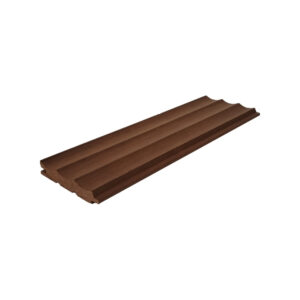
The most visible difference is color. Where untreated aspen is pale and creamy, thermally modified aspen takes on a rich, warm brown tone that many people associate with a more traditional or premium sauna aesthetic. The two versions of the material can be used together to create contrast in a sauna interior.
Beyond appearance, the performance differences are meaningful. Thermally modified aspen has lower equilibrium moisture content, meaning it absorbs less water from the sauna air. This makes it even more dimensionally stable than untreated aspen and extends its service life in high-humidity environments. At Pieksäwood, we have over 20 years of experience with thermal modification, and we carry out the entire process ourselves at our facility in Pieksämäki, from sawing the raw timber to heat treatment to final planing.
Is Finnish aspen a sustainable choice for sauna construction?
Finnish aspen is one of the most sustainable choices available for sauna construction. Aspen is a fast-growing hardwood that regenerates naturally in Finnish forests, and when sourced responsibly, it places minimal pressure on forest ecosystems. The wood itself is processed without chemical treatments, and thermal modification uses only heat and steam, leaving no toxic residues.
Responsible sourcing is the foundation of sustainable aspen production. We source our aspen from Finnish forests and operate our own sawmill in Pieksämäki, which means we control the entire production chain and can ensure that raw material use is as efficient as possible. Our Roots collection, launched from our sawing operations in 2024, takes this a step further by using the knotty side streams from premium aspen production that would previously have been underutilized. Every part of the log is put to use, which is a practical expression of circular economy principles rather than just a marketing claim.
For builders, architects, and consumers who want to make environmentally responsible choices, Finnish aspen produced with full supply chain transparency offers a compelling combination of performance, beauty, and low environmental impact.
Where is Finnish aspen used inside a sauna?
Finnish aspen is used across virtually every interior surface of a sauna, including wall and ceiling paneling, bench boards, backrests, and decorative trim. Its versatility comes from the same properties that make it ideal for benches: it is safe at high temperatures, comfortable against skin, and visually cohesive whether used on its own or combined with other materials.
Sauna benches and bench boards
The most important application is the bench. Aspen bench wood must be smooth, splinter-free, and thermally comfortable, and aspen meets all three requirements naturally. The wood is planed carefully to ensure an even surface, and because aspen contains no resin, it will not become sticky or discolored from body heat and perspiration over time.
Wall and ceiling paneling
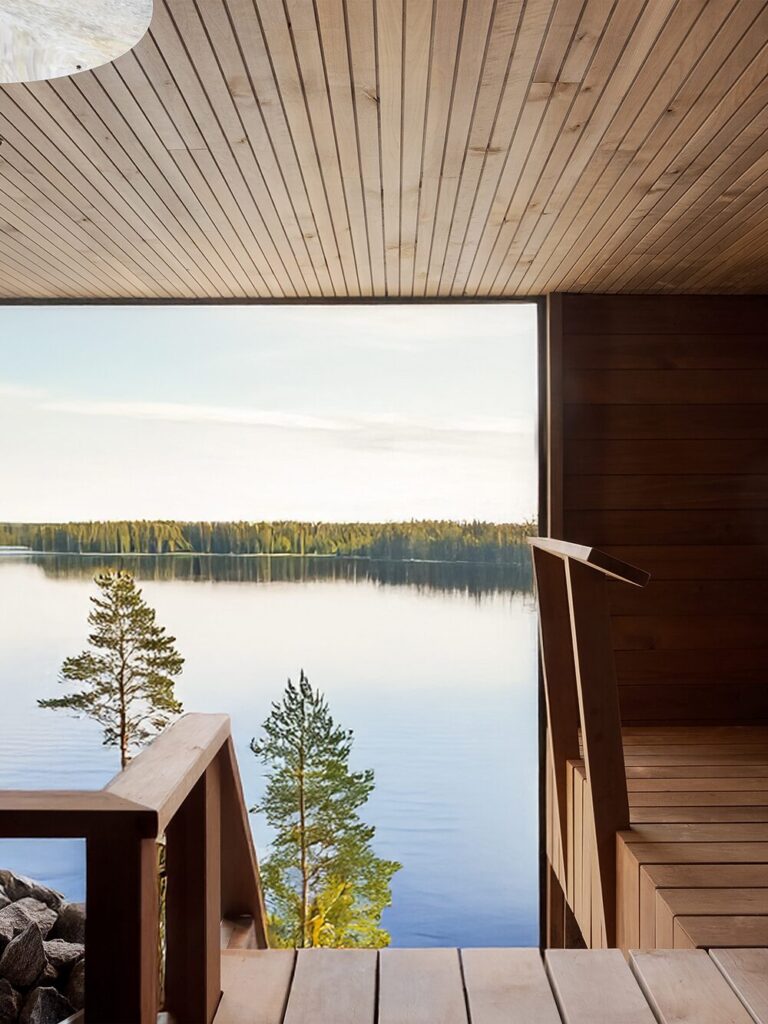
Aspen sauna paneling creates a light, clean atmosphere that reflects heat evenly and ages well. It is used on both walls and ceilings, and the pale natural color of untreated aspen keeps the space feeling open and airy. Thermally modified aspen paneling offers a warmer, darker alternative for those who prefer a richer interior palette. Our sauna products range covers both options in a variety of profile dimensions.
How do you maintain aspen sauna surfaces over time?
Aspen sauna surfaces require very little maintenance compared to many other materials. Regular cleaning with water and a mild sauna-specific cleaner, combined with adequate ventilation after each use, is sufficient to keep aspen paneling and bench wood in good condition for many years. No oils or chemical treatments are needed or recommended for interior sauna surfaces.
The most important maintenance habit is ventilation. After every sauna session, leave the door ajar and allow the interior to dry completely before closing. This prevents moisture from sitting in the wood for extended periods, which is the primary cause of graying, staining, and eventual surface degradation.
If the surface of aspen bench wood becomes rough or discolored over time, light sanding with fine-grit sandpaper will restore a clean, smooth finish. Aspen responds well to sanding because its grain is tight and even. Avoid applying oils, varnishes, or waxes to sauna bench surfaces, as these can create fumes at high temperatures and may make the surface uncomfortably warm to sit on.
Thermally modified aspen requires the same basic care as untreated aspen, with the added benefit that its lower moisture absorption means it dries faster after use and is less prone to surface staining. For both types, the combination of quality material and simple, consistent care is the most reliable path to a sauna interior that stays beautiful for decades. To explore our full range of Finnish aspen wood products, or to discuss your specific project requirements, contact us directly for expert advice.