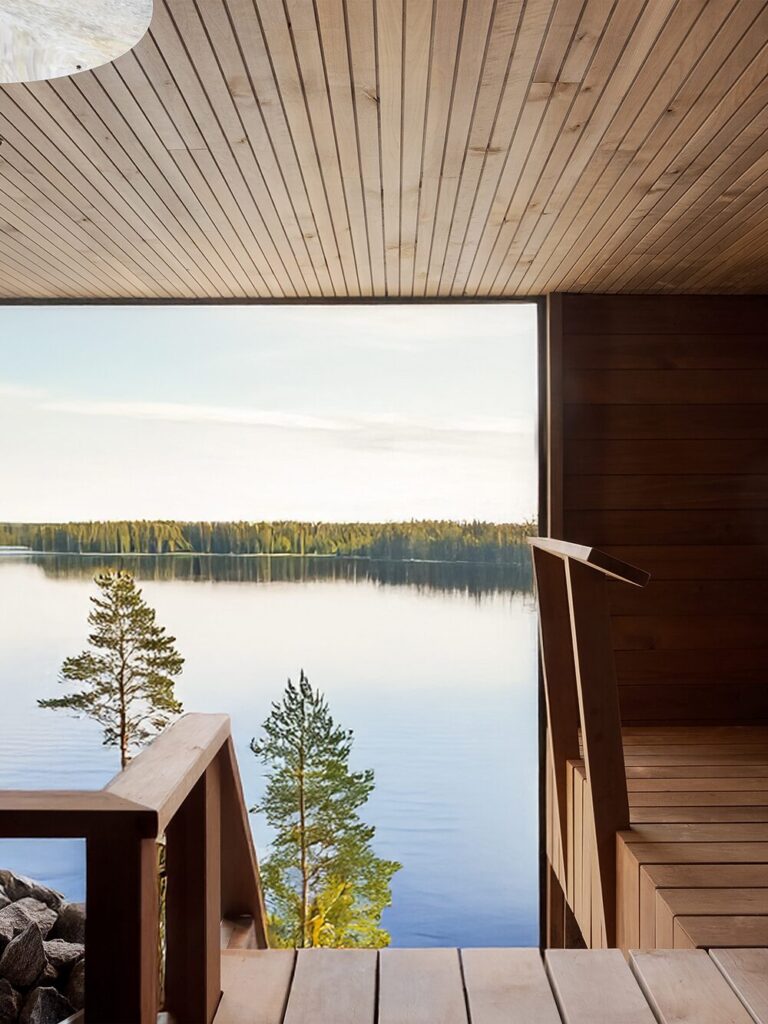
Sauna design directly affects your well-being by shaping the thermal environment, sensory experience, and psychological atmosphere you enter each time you step inside. A well-designed sauna reduces stress, supports muscle recovery, and encourages genuine mental rest, while a poorly designed one can feel uncomfortable, clinical, or simply uninviting. The sections below explore the specific design decisions that make the biggest difference, from materials and lighting to layout and cultural tradition.
How does sauna design affect your mental and physical health?
Sauna design affects your mental and physical health by determining how effectively the space delivers heat, how comfortable it feels to use, and how psychologically safe and calming the environment is. A thoughtfully designed sauna creates conditions for deep relaxation, stress reduction, and physiological recovery. Poor design, on the other hand, produces uneven heat, rough surfaces, or harsh aesthetics that undermine those benefits.
On the physical side, the right materials and proportions help maintain stable, even heat distribution. Benches at the correct height allow the body to rest in a position that encourages circulation and muscle relaxation. Ventilation design influences how the air moves and how the humidity from steam feels on the skin, which directly affects respiratory comfort and the intensity of the löyly experience.
Mentally, the sauna environment works through sensory cues. Natural wood surfaces, warm tones, soft lighting, and the smell of birch or cedar signal to the nervous system that this is a place to slow down. Research in environmental psychology consistently shows that natural materials and warm, diffuse light lower cortisol levels and promote parasympathetic nervous system activity, which is the biological foundation of genuine relaxation. A sauna that looks and feels intentionally designed reinforces that psychological permission to fully disconnect.
What materials are best for sauna walls and benches?
The best materials for sauna walls and benches are knot-free, resin-free hardwoods that stay cool to the touch even at high temperatures, resist moisture damage, and do not splinter or warp over time. Aspen and black alder are widely regarded as the top choices for sauna interiors, particularly for benches where skin contact is constant.
Aspen is especially valued for its smooth, even surface and its remarkably low thermal conductivity. Even when the sauna reaches high temperatures, aspen benches remain comfortable to sit on without burning bare skin. It is also naturally free of resin, which means it does not release sticky or odorous compounds when heated. Black alder shares these qualities and adds a slightly darker, richer tone that many people find visually warm and inviting.
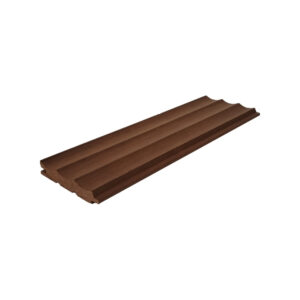
For paneling on walls and ceilings, the same properties matter, but the surface area is larger, so the visual character of the wood becomes more prominent. This is where grain patterns, color consistency, and finish quality shape the overall aesthetic of the sauna interior. We use responsibly sourced Finnish aspen and black alder as the primary raw materials for our sauna benches and paneling products, both in natural form and heat-treated, precisely because these species perform so well in the demanding sauna environment.
Heat-treated radiata pine is another option we offer, bringing a deeper brown tone and enhanced durability to those who prefer a warmer visual palette. The key principle across all materials is that the wood must be able to handle repeated cycles of high heat and moisture without degrading, warping, or becoming uncomfortable to touch.
What is heat-treated wood and why is it used in saunas?
Heat-treated wood is timber that has been thermally modified using only heat and steam, with no chemicals, to permanently alter its cellular structure. The process removes moisture and breaks down the sugars in the wood that attract mold and bacteria, resulting in a material that is more dimensionally stable, more resistant to moisture, and darker in color than untreated wood.
In saunas, heat-treated wood is used because the environment is uniquely demanding. Temperatures regularly exceed 80 degrees Celsius, and the humidity swings dramatically between dry heat and steam. Untreated wood expands and contracts with these changes, which over time can cause cracking, warping, and surface degradation. Heat-treated wood tolerates these cycles far better because its cellular structure has already been stabilized by the thermal process.
We have over 20 years of experience in heat treatment, with particular expertise in aspen and black alder. Our modern heat treatment facility in Pieksämäki processes timber from our own sawmill as well as selected external sources, giving us full control over the quality of the finished product. The result is a material that performs reliably in the sauna environment while also offering a rich, naturally brown tone that many people find aesthetically superior to untreated wood.
How does lighting design change the sauna experience?
Lighting design changes the sauna experience by directly influencing mood, perceived temperature, and the sense of privacy and calm. Warm, low-intensity light makes a sauna feel like a sanctuary, while bright or cool-toned light creates a clinical atmosphere that works against relaxation. Thoughtful lighting is one of the most powerful and often underestimated elements of sauna interior design.
The most effective sauna lighting is indirect and positioned low, typically near the floor or beneath the bench platforms, so the light washes upward across the wood surfaces rather than shining directly into the eyes. This approach highlights the natural grain and texture of the paneling while keeping the overall brightness gentle. Wood with visible character, such as natural knots and flowing grain patterns, becomes especially beautiful under this kind of warm, raking light.
Color temperature matters significantly. Light sources in the range of 2,200 to 2,700 Kelvin produce the amber warmth that feels most natural in a sauna setting and complements the tones of birch, aspen, and heat-treated wood. Cooler light, even at the same brightness, creates a sense of alertness that conflicts with the purpose of the space. For those who use their sauna in the evening as a wind-down ritual, keeping the lighting dim and warm is one of the simplest ways to amplify the mental health benefits of the session.
What layout and bench configuration works best for relaxation?
The layout and bench configuration that works best for relaxation places the primary bench at a height where users can lie down comfortably, with a secondary lower bench for those who prefer less intense heat or need a step up. A tiered bench arrangement along one or two walls maximizes usable space while allowing bathers to choose their preferred heat level, since temperature rises significantly with each additional level of height.
The upper bench should be wide enough to lie on fully, ideally at least 60 centimeters deep, so the body can stretch out rather than sit rigidly. This single design choice has an outsized effect on relaxation because lying down allows muscles to release tension more completely than sitting upright. The bench surface should be smooth and even, which is why the quality of the lumber and the precision of the planing process matter so much in practice.
Room proportions also play a role. A sauna that is too large loses heat quickly and requires more energy to maintain temperature, while one that is too small can feel claustrophobic and make the heat feel oppressive rather than enveloping. For a private home sauna, a room of roughly 4 to 6 square meters typically provides an ideal balance between comfort and thermal efficiency. The stove should be positioned so that heat circulates evenly across the bench area, and the door should open outward for both safety and practical convenience.
How can sauna design reflect Nordic and Finnish wellness traditions?
Sauna design reflects Nordic and Finnish wellness traditions by prioritizing natural materials, functional simplicity, and a deep connection to the forest environment. Finnish sauna culture is not about luxury or decoration for its own sake. It is about creating a space that is honest, clean, and entirely focused on the experience of heat, steam, and recovery. Design choices that honor this tradition tend to use local wood species, minimal ornamentation, and forms that feel timeless rather than fashionable.
Finnish sauna design has always been rooted in the materials available from the surrounding landscape. Aspen, birch, and alder have been used for centuries precisely because they grow abundantly in Finnish forests and perform exceptionally well in the sauna environment. Using these same species today, especially when they are sourced and processed domestically, connects a modern sauna directly to that long tradition. Our mission at Pieksäwood is to bring Finnish aspen into Finnish saunas, both at home and around the world, because we believe that connection to origin is part of what makes a sauna genuinely restorative.
The Roots collection represents one expression of this philosophy. Rather than hiding the natural character of the wood, it celebrates the knots and grain patterns that come from the knotty sections of Finnish aspen, the parts of the tree that were previously considered secondary material. Each panel tells a story of the forest it came from, and that authenticity is precisely what makes it meaningful in a wellness space. A sauna lined with material that carries visible traces of its natural origin feels fundamentally different from one finished with anonymous, uniform surfaces.
Beyond materials, Finnish sauna tradition also values ritual and intention. Design choices that support unhurried use, such as comfortable benches, good ventilation, and a well-placed bucket and ladle for the löyly, honor the idea that the sauna is a place for genuine rest rather than a quick shower substitute. When design serves that purpose faithfully, it becomes an act of cultural continuity as much as an aesthetic decision. To learn more about how we can help with your sauna project, get in touch with our team.