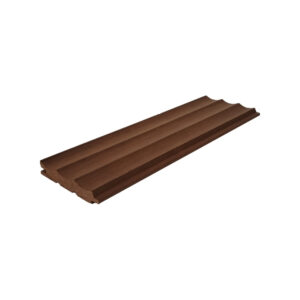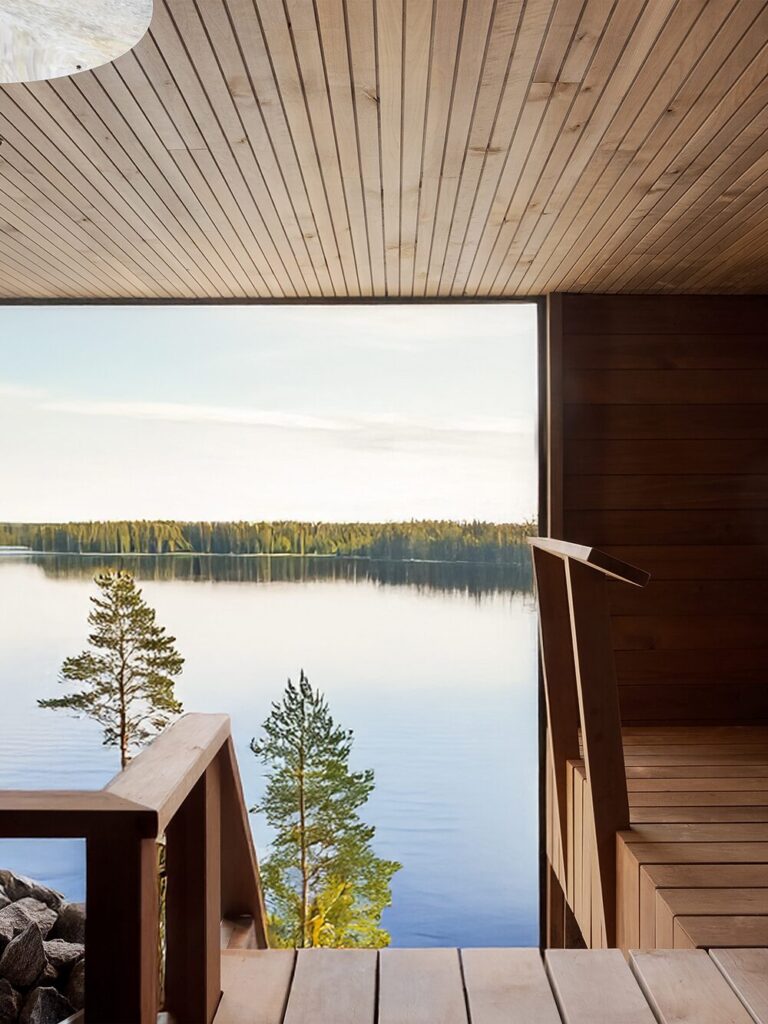
The best materials for a wellness-focused sauna interior are untreated or thermally modified natural wood, particularly aspen and black alder. These species are naturally resin-free, smooth to the touch, and stable under heat and humidity, making them the safest and most comfortable choices for a genuinely healthy sauna environment. The questions below walk through every key decision, from wood species and paneling to long-term care.
What materials are best for a wellness-focused sauna interior?
The best materials for a wellness sauna interior are resin-free, smooth-grained hardwoods such as aspen and black alder, used for both benches and wall paneling. These natural sauna wood products stay comfortable against bare skin even at high temperatures, release no irritating compounds, and create the clean, breathable atmosphere that defines a truly healthy sauna experience.
Softwoods like pine can release sticky resin when heated, which not only damages the surface but can also irritate skin and affect air quality. Aspen and black alder avoid this problem entirely. Both species are dimensionally stable, meaning they resist warping and cracking as the sauna cycles through heating and cooling, which protects your investment over many years of use.
Thermally modified wood is a strong third option, especially for anyone who wants a deeper, richer tone alongside the functional benefits of natural wood. The thermal modification process drives out moisture and organic compounds that would otherwise degrade over time, resulting in a material that is even more stable and durable than its untreated counterpart.
For a complete sauna interior, the most wellness-conscious approach combines knot-free aspen or black alder benches with matching wall paneling in the same species, creating a harmonious, natural environment that supports relaxation rather than distraction.
What is thermally modified wood and why is it used in saunas?
Thermally modified wood is timber that has been heated to high temperatures using only hot air and steam, with no chemicals involved. The process permanently changes the wood’s cellular structure, reducing its moisture content, improving dimensional stability, and giving it a warm, darker tone. In sauna design, it is valued for its enhanced durability and its rich, natural appearance.
During thermal modification, the wood’s sugars and resins break down. This means the finished material is even less likely to release compounds into the sauna air, and it absorbs and releases moisture far more slowly than untreated wood. For a wellness sauna, that stability translates to a more consistent heat environment and a surface that ages gracefully rather than warping or splitting.
We have over 20 years of experience with thermal modification, working primarily with aspen and black alder. Our process uses only heat and water vapor, so the resulting products are completely safe for direct skin contact, even during intense steam sessions. Thermally modified aspen, for example, develops a beautiful honey-brown color that deepens the visual warmth of a sauna interior without any staining or coating.
Thermally modified radiata pine is another option in this category, offering a cost-effective route to the benefits of modification while still providing the resin reduction that makes wood suitable for sauna paneling and bench use.
How does wood choice affect the air quality inside a sauna?
Wood choice directly affects sauna air quality because different species release different compounds when heated. Resinous softwoods can emit volatile organic compounds and sticky terpenes at sauna temperatures, which irritate the respiratory system and make the air feel heavy. Resin-free species like aspen and black alder keep the air clean, fresh, and easy to breathe throughout the session.
This matters most for people who use their sauna frequently or who have respiratory sensitivities. A wellness-focused sauna should feel restorative from the first breath, and the wall paneling and bench surfaces are the largest contributors to the air inside the room. When those surfaces are made from clean, knot-free aspen or alder, the sauna’s atmosphere remains neutral and natural.
Thermally modified wood goes one step further. Because the modification process breaks down the organic compounds in the wood before it ever reaches your sauna, there is very little left to off-gas during use. This makes thermally modified aspen or alder an excellent choice for anyone prioritizing indoor air quality as part of their wellness routine.
Proper kiln drying before installation also plays a role. Wood that arrives at the correct moisture level will not release excess steam from the material itself during the first few heating cycles, which keeps the sauna environment predictable and comfortable from day one.
What’s the difference between aspen and alder for sauna benches?
The key difference between aspen and black alder for sauna benches is their color, grain character, and how they respond to heat. Aspen is naturally pale and light-toned with a fine, even grain, while black alder is slightly warmer and darker with a more pronounced texture. Both are knot-free, resin-free, and excellent thermal insulators, making either a safe and comfortable choice for bench surfaces.
Aspen for sauna benches
Aspen is the classic choice for Finnish sauna benches. Its very low thermal conductivity means the surface never feels uncomfortably hot against bare skin, even when the air temperature is high. The wood is also exceptionally smooth after planing, which adds to the tactile comfort of sitting or lying on the bench. Aspen’s pale, almost white tone gives the sauna a light, airy atmosphere that many people associate with traditional Nordic sauna design.
Black alder for sauna benches
Black alder shares aspen’s resin-free and knot-free qualities but brings a slightly richer visual character to the bench surface. It is equally stable under heat and humidity, and its slightly denser grain gives it a firm, satisfying feel underfoot and under hand. For those who want a warmer, more textured aesthetic in their sauna interior, black alder offers a compelling alternative without sacrificing any of the wellness benefits that make aspen so popular.
Both species are available from us in thermally modified versions, which deepen their natural tones and further enhance their resistance to moisture and dimensional change over time.
How should sauna paneling and benches be installed for best results?
Sauna paneling and benches should be installed with adequate ventilation gaps, using concealed fixings where possible, and after the wood has acclimatized to the sauna environment. Correct installation prevents warping, allows for natural wood movement, and ensures the surfaces remain safe and comfortable over the long term.
Before installation, store the wood in a dry, well-ventilated space close to the sauna room for at least a few days. This allows the material to reach a moisture equilibrium with its surroundings, reducing the risk of shrinkage or swelling after the panels and bench boards are fixed in place.
For wall paneling, horizontal installation is traditional in Finnish saunas and allows water to run off the surface naturally. Vertical installation is also possible and can make a smaller room feel taller. In both cases, leave a small expansion gap at the ends of each board to accommodate seasonal movement.
Bench boards should be spaced slightly apart rather than butted tightly together. This gap allows air to circulate beneath the bench surface, helping the wood dry out between sauna sessions and significantly extending its lifespan. Concealed clips or blind nails keep the visible surface clean and free of metal fixings that could heat up and cause discomfort.
All metal fixings used in a sauna should be stainless steel or another corrosion-resistant material. Standard steel screws will rust quickly in the humid environment, staining the wood and weakening the structure over time.
How do you maintain natural wood surfaces in a sauna long-term?
Long-term maintenance of natural wood sauna surfaces involves regular ventilation after each use, occasional light sanding to refresh the surface, and avoiding chemical cleaners that can damage the wood or affect air quality. Aspen and black alder require minimal treatment compared to many other materials, which is one of the practical advantages of choosing the right natural sauna materials from the start.
After every sauna session, leave the door open or run the ventilation to allow the room to dry fully. Moisture that sits on the bench and panel surfaces for extended periods is the primary cause of discoloration and, eventually, surface degradation. A well-ventilated sauna with quality wood can look and perform beautifully for decades.
If the bench surface begins to look gray or slightly rough after years of use, a light sanding with fine-grit sandpaper restores the original pale tone and smoothness. This is one of the great advantages of solid wood over coated or composite materials: the surface can be renewed without specialist tools or products.
Avoid applying oils, varnishes, or sealants to sauna bench surfaces. These coatings trap heat and can release compounds at sauna temperatures, undermining the clean air quality that natural wood provides. Wall paneling can be left completely untreated in most cases, as the natural wood surface is both durable and easy to clean with warm water and a mild, sauna-safe cleaning solution if needed.
Thermally modified wood requires even less maintenance than untreated wood because its reduced moisture absorption means it dries faster after use and is less prone to surface mold or staining. For anyone building a wellness sauna intended for frequent, long-term use, thermally modified aspen or alder is a particularly practical choice that rewards the initial investment over many years. Contact us for sauna material advice to find the right solution for your project.