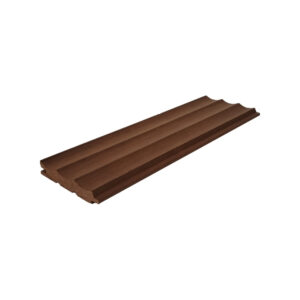
Timeless sauna design relies on natural materials, neutral tones, and honest craftsmanship rather than passing trends. The most enduring sauna interiors combine high-quality wood species that age beautifully with a restrained colour palette that feels warm and calm regardless of the decade. The questions below unpack exactly what makes those choices work and how to apply them in practice.
What makes a sauna design truly timeless?
A truly timeless sauna design prioritises natural materials, functional simplicity, and quality construction over decorative novelty. When the wood is well chosen, the proportions are balanced, and the surfaces are honest rather than artificial, the space holds its appeal for decades without ever feeling dated.
The key principle is that timeless design solves the problem of the space first. A sauna exists to deliver heat, steam, and relaxation, so every material and finish should serve that purpose. Wood that stays cool to the touch on hot benches, surfaces that handle moisture without warping, and tones that feel restful rather than stimulating are all functional choices that happen to be aesthetically enduring as well.
Trend-driven sauna design, by contrast, often introduces elements that look exciting in the short term but age poorly. Bold accent colours, highly processed surfaces, or materials borrowed from other interior styles can feel out of place within a few years. Choosing materials and forms rooted in the tradition of the Nordic sauna gives a design a stable foundation that outlasts any particular style moment.
Which wood species work best for a long-lasting sauna interior?
Aspen and black alder are the most consistently recommended wood species for sauna interiors because they are knot-free, resin-free, and remain comfortable to touch even at high temperatures. Both species also handle the repeated cycles of heat and humidity that a sauna produces without cracking or warping over time.
Aspen in particular has a long tradition in Finnish sauna culture. Its surface is smooth and pale, it does not release resin when heated, and it stays cool enough on the bench surface to sit on comfortably during a strong steam. Black alder shares these properties and adds a slightly warmer, richer tone that many people find visually appealing in wall panelling.
Thermally treated versions of both species, as well as thermally treated radiata pine, are also excellent options. Thermal treatment deepens the colour naturally and increases the wood’s resistance to moisture and dimensional movement, making it particularly well suited to the demanding environment of a sauna. We use responsibly sourced Finnish aspen and black alder as the primary raw materials across our sauna wood products range, sawing and processing the aspen ourselves right here in Pieksämäki.
What is thermally treated wood and why is it used in saunas?
Thermally treated wood is timber that has been heated to high temperatures in a controlled, oxygen-free environment, which permanently changes its cellular structure. The result is wood that is more resistant to moisture, more dimensionally stable, and darker in colour than untreated wood of the same species, without any chemical additives.
In a sauna, these properties matter enormously. Untreated wood expands and contracts as it absorbs and releases moisture during each sauna session. Over time, this movement can cause gaps, cupping, or surface cracking. Thermally treated wood moves far less, which means it holds its shape and its joints stay tight for much longer.
The deeper colour that thermal treatment produces is another practical advantage in the context of timeless design. The warm brown tones that emerge from the process are naturally harmonious with the sauna environment and do not require staining or coating to look finished. Because the colour runs through the wood rather than sitting on the surface, it does not peel or fade in the way that applied finishes can. We have over 20 years of experience in thermal treatment, working with both aspen and black alder in our own modern treatment facility in Pieksämäki.
What colours and tones stay stylish in sauna interiors over time?
The colours that stay stylish in sauna interiors over time are warm neutrals drawn directly from natural wood: pale creamy whites from untreated aspen, honey and amber tones from lightly aged wood, and deeper warm browns from thermally treated timber. These tones feel calm, grounded, and connected to nature in a way that genuinely does not date.
The reason these tones endure is that they are not design choices imposed on the material but properties of the material itself. When a sauna interior is built from honest, high-quality wood, the colour palette emerges naturally and cohesively. There is no need to coordinate paint or stain because the wood brings its own harmony.
Cooler greys and heavily bleached tones have appeared in sauna design in recent years and can look striking when new, but they tend to feel more tied to a particular period. Similarly, very dark finishes achieved through artificial staining rather than thermal treatment can fade unevenly and look worn rather than gracefully aged. Staying within the natural spectrum of the wood species you choose is the most reliable path to a colour scheme that remains attractive for the long term.
How do sauna panelling and bench choices affect the overall look?
Sauna panelling and bench choices define the visual character of the space more than any other element because they account for most of the visible surface area. The profile of the panelling, the width of the boards, and the way light falls across the surface all shape the atmosphere of the room significantly.
Narrow panelling with a clear, simple profile creates a traditional and refined look that reads as classic in almost any context. Wider boards give a more contemporary, open feel. Both approaches can work well, but the key is consistency: mixing multiple profiles or board widths in the same small space tends to feel restless rather than considered.
Bench construction has both a visual and a functional role. Well-built benches with smooth, rounded edges and properly spaced slats look clean and deliberate. They also perform better, allowing air to circulate and drying out quickly after use. The quality of the wood matters here as much as the design, because a bench that stays smooth and splinter-free after years of use always looks better than one that has degraded.
Should you choose the same wood for sauna walls and benches?
Using the same wood species for both sauna walls and benches creates a cohesive, harmonious interior that is the most reliable approach for a timeless result. When the panelling and the bench surfaces share the same tone and grain character, the space reads as intentional and unified rather than assembled from separate decisions.
That said, combining two complementary species can also work well if the choice is made deliberately. A common and effective pairing is untreated aspen for the bench surfaces, where the pale, cool tone is comfortable to sit on, combined with thermally treated aspen or black alder for the wall panelling, where the deeper warm brown adds visual depth. The two tones relate clearly to each other without being identical.
What generally does not work is mixing species or finishes that have no tonal relationship, or using a very different material on the benches simply because it was available. In a small, enclosed space like a sauna, visual inconsistency is amplified. The simplest and most enduring approach is to decide on one or two related materials at the outset and apply them consistently throughout the sauna interior. If you would like guidance on selecting the right materials for your project, feel free to contact us for expert sauna advice.