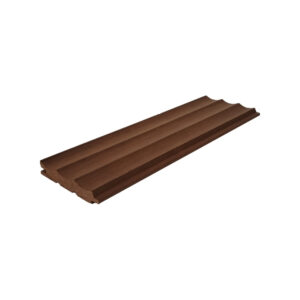
Maintainable sauna design extends the life of the space by prioritizing materials that resist moisture and heat, layouts that allow proper airflow, and surfaces that are easy to clean or replace. The single biggest factor is choosing the right wood species combined with a ventilation system that actually works. The questions below unpack each design decision that separates a sauna that thrives for decades from one that deteriorates within a few years.
What design choices make a sauna easier to maintain long term?
The design choices that most reduce long-term sauna maintenance are smooth, knot-free surfaces that resist moisture absorption, removable bench structures that allow thorough cleaning, adequate ventilation openings, and wood species that are naturally stable under repeated heat and humidity cycles. Getting these four elements right from the start dramatically reduces the need for repairs or replacements down the line.
Beyond material selection, the physical layout of the space matters. Avoid tight corners and recessed ledges where moisture can pool and mold can establish itself. Benches positioned slightly away from walls improve airflow around the wood. Paneling installed vertically rather than horizontally sheds water more effectively and dries faster after each session. Simple, clean lines are not just aesthetically appealing, they are genuinely easier to wipe down and inspect for early signs of wear.
Drainage and floor design also play a role. A floor that slopes correctly toward a drain prevents standing water, which is one of the fastest ways to accelerate wood decay in the lower sections of a sauna.
Which wood species last longest in sauna conditions?
Aspen and black alder are among the best-performing wood species for sauna longevity. Both are knot-free and resin-free, which means they do not overheat on the surface or release sticky substances in high temperatures. They are dimensionally stable under repeated moisture and heat cycles, and their naturally smooth grain makes them comfortable to sit on even when the temperature peaks.
Aspen in particular has a long tradition in Finnish sauna culture for good reason. It is light-colored, odor-neutral, and it does not splinter easily, qualities that matter both for comfort and for durability. Black alder shares many of these properties and adds a slightly warmer tone that many designers favor for bench and paneling combinations.
Thermally modified versions of these species extend durability even further, especially in environments with extreme humidity swings. We work primarily with Finnish aspen and black alder because decades of production experience have confirmed their performance in real sauna conditions, both in private homes and in demanding public facilities.
What is thermally modified wood and why is it used in saunas?
Thermally modified wood is timber that has been heat-treated at high temperatures, typically between 180°C and 230°C, in a controlled, oxygen-free environment. This process permanently alters the wood’s cellular structure, reducing its ability to absorb and release moisture. The result is a more dimensionally stable material that resists warping, cracking, and biological decay without the use of any chemical preservatives.
In sauna conditions, where humidity can shift dramatically within a single session, dimensional stability is critical. Untreated wood expands and contracts as it absorbs steam and then dries out. Over time, this repeated movement causes joints to loosen, surfaces to crack, and boards to cup or warp. Thermally modified wood moves significantly less, which means it holds its shape and its finish over a much longer period.
We have over 20 years of experience with thermal modification, working with aspen and black alder as the primary species. The modification process also deepens the color of the wood naturally, giving it a rich, warm appearance that many designers find appealing alongside untreated wood in the same space. Thermally modified radiata pine is another option in our sauna and construction wood range, offering a cost-effective alternative with similar stability benefits.
How does poor ventilation shorten a sauna’s lifespan?
Poor ventilation shortens a sauna’s lifespan by trapping moisture inside the structure after each use. When humid air cannot escape, wood surfaces stay wet for extended periods, which accelerates mold growth, wood rot, and the breakdown of any surface treatments applied to the paneling or benches. Even high-quality wood species will deteriorate quickly if the drying cycle between sessions is inadequate.
A properly ventilated sauna has both an intake opening near the stove and an exhaust opening positioned to draw air across the bench area and out of the room. This creates a circulation path that removes steam efficiently during and after use. Without this airflow, moisture accumulates in corners, beneath benches, and behind paneling, areas that are difficult to inspect and even harder to dry once saturation sets in.
The structural consequences go beyond the wood itself. Prolonged moisture exposure can compromise the insulation behind paneling, cause fasteners to corrode, and weaken the substructure that bench frames are anchored to. Correcting ventilation problems after construction is significantly more disruptive and expensive than designing the system correctly from the beginning.
Should sauna benches be removable or fixed?
Removable sauna benches are the better choice for long-term maintenance. They allow the bench surfaces and the floor beneath them to be cleaned thoroughly, dried completely, and inspected for early signs of moisture damage or mold. Fixed benches create enclosed spaces underneath where moisture accumulates and where problems can develop undetected for months or years.
From a practical standpoint, removable benches also make it easier to replace individual boards if a section becomes discolored or damaged, rather than requiring a full bench replacement. This is particularly valuable in public or commercial saunas where heavy use accelerates surface wear on specific areas.
For private home saunas, the choice is more flexible, but the maintenance argument still holds. Even a partially removable design, where the seating surface lifts away while the frame remains fixed, offers a meaningful improvement over a fully fixed structure. The key principle is that every surface in a sauna should be accessible for cleaning and inspection at least once or twice per year.
How often should sauna surfaces be cleaned or treated?
Sauna surfaces should be wiped down after each use and given a thorough cleaning every one to three months depending on frequency of use. Wood paneling and benches in a regularly used sauna benefit from an annual inspection and, where applicable, a light application of a sauna-safe surface treatment to maintain the wood’s appearance and resistance to moisture absorption.
For everyday maintenance, wiping down bench surfaces with a clean cloth after each session removes sweat and residue before it can penetrate the wood grain. Leaving the sauna door ajar after use accelerates drying and reduces the time surfaces remain damp. These small habits have a compounding effect on sauna longevity over years of use.
Deep cleaning involves scrubbing bench surfaces with a soft brush and warm water, checking ventilation openings for blockages, and inspecting the area beneath benches and behind the lowest row of paneling for any signs of discoloration or soft spots in the wood. Not all wood species require surface treatment, aspen and black alder are often left untreated because their natural properties perform well without it, and added oils or varnishes can actually interfere with the wood’s ability to breathe. When in doubt, follow the guidance provided with the specific product, or consult the manufacturer directly.