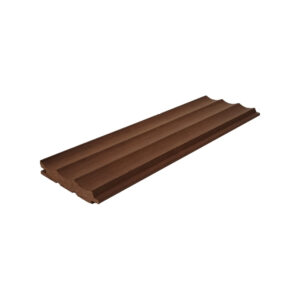
When you step into a sauna, the materials surrounding you make all the difference between an ordinary experience and an exceptional one. Thermo-treated aspen has become increasingly popular in sauna construction over the past two decades, and for good reason. This specialized wood offers unique properties that create the perfect sauna environment. But not all thermo-treated wood is created equal – the manufacturing expertise behind it matters tremendously. With two decades of innovation and refinement, the techniques for treating aspen have evolved substantially, resulting in superior sauna materials that combine beauty, durability, and performance. Let’s explore why experience in this specialized field translates directly to the quality of your sauna experience.
What makes thermo-treated aspen ideal for saunas?
Aspen naturally possesses several qualities that make it excellent for sauna environments. As a knot-free and resin-free wood, it won’t heat up uncomfortably against your skin, even in the hottest sauna conditions. This makes it particularly valuable for sauna benches and other surfaces that come into direct contact with bathers.
When aspen undergoes thermo-treatment, these inherent benefits are significantly enhanced. The thermal modification process transforms the wood’s structure in several important ways:
- Dramatically improved moisture resistance, making it more stable in the high-humidity environment of a sauna
- Enhanced durability against the constant heating and cooling cycles that would damage untreated wood
- A beautiful, rich brown colour that permeates throughout the entire wood
- Pleasant woody aroma that contributes positively to the sauna experience
- Completely non-toxic properties – the process uses only heat and steam
Unlike chemical treatments, thermo-treatment modifies the wood’s cellular structure through a carefully controlled process of heating. This makes the wood less susceptible to warping, cracking, or developing mould in the demanding sauna environment while maintaining its natural, tactile qualities that sauna users value.
Aspen and Red Cedar: understanding your options
If you’ve built or used saunas in North America, you’re likely familiar with Western Red Cedar as a benchmark material. Cedar has genuine strengths — its natural oils provide good moisture resistance, its reddish tone is visually striking, and its distinctive aromatic scent is something many sauna users enjoy. For wall panelling and certain structural applications, it remains a well-regarded choice.
That said, Cedar’s characteristics don’t suit every sauna surface or every user. Its natural resins can bleed through in high heat, making bench surfaces potentially uncomfortable against bare skin. The strong Cedar scent, while pleasant to many, can be overwhelming in an enclosed sauna environment — particularly for those who prefer a subtler atmosphere. Cedar also varies noticeably in appearance from board to board, which can make achieving a uniform look more challenging.
Aspen, by contrast, is naturally resin-free and stays cooler to the touch on bench surfaces, which is precisely why it has long been the preferred choice for sauna benches in Nordic sauna culture. Its pale, even tone gives interiors a clean, light appearance, and its scent is mild rather than dominant. When thermally modified, aspen gains a warm, consistent brown colour and significantly improved moisture resistance, making it a practical option for a wider range of sauna surfaces — including those where Cedar’s resin content could be a drawback.
Neither material is universally superior. The right choice depends on which surfaces you’re fitting, the aesthetic you want to achieve, and how you prefer your sauna to feel and smell. Thermally modified aspen is worth considering as a complement to — or in some applications an alternative to — Cedar, particularly where bench comfort and a resin-free surface are priorities.
The evolution of wood thermo-treatment techniques
Over the past two decades, thermo-treatment technology has undergone significant refinement. What was once a more rudimentary process has developed into a sophisticated, precisely controlled manufacturing method that yields consistently high-quality results.
Modern thermo-treatment involves multiple carefully managed phases. First, the timber is dried completely by quickly raising its temperature to around 100°C. Once fully dried, the wood’s temperature is slowly increased to between 175-210°C for 1.5-3 days, depending on the specific wood species, raw material thickness, and desired colour shade.
Steam and hot air are used to precisely regulate the thermal modification process. During treatment, the wood’s structure changes as water and resin are removed, while simultaneously achieving that distinctive brown colour throughout. The steam serves as a protective element, preventing the wood from cracking or igniting, while also influencing the chemical changes occurring within the wood.
These advancements in treatment technology have resulted in more consistent quality, improved durability, and more sustainable manufacturing practices. The entire process is non-toxic and ecological, using only heat and steam – no chemicals or preservatives are needed to achieve the wood’s enhanced properties.
How manufacturing expertise affects sauna material quality
The complete manufacturing chain – from sawing through thermo-treatment to planing – requires specialized expertise at every stage to produce truly superior sauna materials. This integrated approach ensures quality control throughout the entire production process.
Starting with raw material selection, experienced manufacturers understand which specific aspen timber will respond best to thermal modification. The moisture content, density, and natural characteristics of the wood must be carefully assessed before treatment begins.
During the thermo-treatment process itself, precise control of temperature, timing, and humidity is essential. Even minor deviations can result in suboptimal treatment, potentially compromising the wood’s performance in sauna environments. Expert manufacturers calibrate these parameters based on their deep understanding of how different wood batches respond to treatment.
After treatment, skilled planing is necessary to achieve the smooth, splinter-free finish that sauna users expect. This requires specialized equipment and techniques that preserve the wood’s enhanced properties while creating comfortable surfaces for direct skin contact.
Finally, proper packaging ensures that these valuable materials maintain their quality during transport to customers. The attention to detail at each manufacturing stage directly impacts the final product’s performance and longevity.
The difference between novice and expert thermo-treatment
When comparing thermo-treated wood from experienced versus inexperienced manufacturers, several quality markers become apparent. These differences significantly affect how the materials perform in sauna environments.
Consistency is perhaps the most visible indicator of expertise. Experienced manufacturers achieve uniform coloration and physical properties throughout each batch and between different production runs. This consistency ensures that sauna components made from different production batches will match aesthetically and perform identically over time.
Dimensional stability is another critical factor. Expert thermo-treatment results in wood that maintains its shape and size even through the extreme temperature and humidity fluctuations of a sauna environment. Improperly treated wood may still warp, crack, or shrink over time, leading to maintenance issues and shortened lifespan.
Material performance in actual use conditions also distinguishes expert treatment. Properly thermo-treated aspen will maintain its comfortable surface temperature, resist moisture absorption, and prevent resin bleed-through even after years of regular sauna use. These performance characteristics come only from precise control of the treatment process that takes years to perfect.
Finally, surface quality after treatment reveals manufacturing expertise. Skilled producers create a product that’s not only beautiful but also tactilely pleasing and splinter-free – a crucial consideration for wood that will have direct skin contact in a sauna.
Why Finnish expertise matters in sauna materials
Finland’s deep sauna tradition stretches back centuries, creating a cultural knowledge base that directly influences how sauna materials are selected, treated, and manufactured. This cultural context provides Finnish manufacturers with unique insights into what makes an authentic, high-quality sauna experience.
The Finnish sauna tradition emphasizes certain qualities: comfortable bench materials that don’t become too hot to the touch, wood that performs reliably in high-moisture environments, and natural, chemical-free materials that enhance rather than detract from the sauna atmosphere. These cultural priorities have shaped how Finnish manufacturers approach thermo-treatment processes.
Finnish expertise in sauna construction has also led to highly specialized manufacturing standards. The requirements for sauna wood in Finland are exceptionally high, as saunas are an integral part of daily life rather than an occasional luxury. This has pushed Finnish manufacturers to develop treatment techniques that create truly durable, long-lasting sauna materials.
Additionally, the Finnish approach to sauna materials reflects a deeper cultural commitment to natural, sustainable building materials. The thermo-treatment process used by Finnish manufacturers transforms wood using only heat and steam – no chemicals or toxins – resulting in pure, natural materials that align with the authentic sauna tradition.
The quality of materials used in sauna construction significantly impacts both the immediate experience and long-term enjoyment of your sauna. Thermo-treated aspen, when properly manufactured, offers an optimal combination of performance, comfort, and durability that has made it increasingly popular worldwide.
At Pieksäwood, we’ve been refining our thermo-treatment expertise for over 20 years, particularly with aspen and alder woods. Our manufacturing process controls the entire production chain – from sawing Finnish aspen at our own sawmill in Pieksämäki to thermal modification in our modern facility, followed by careful planing and packaging. This integrated approach ensures that when you choose our thermo-treated aspen for your sauna, you’re getting materials backed by decades of specialized expertise.
Whether you’re a professional sauna builder, a designer working on public spaces, or a quality-conscious consumer creating your own home sauna, the experience behind your materials matters. Choose sauna materials made with genuine expertise, and you’ll enjoy the authentic Finnish sauna experience for years to come.