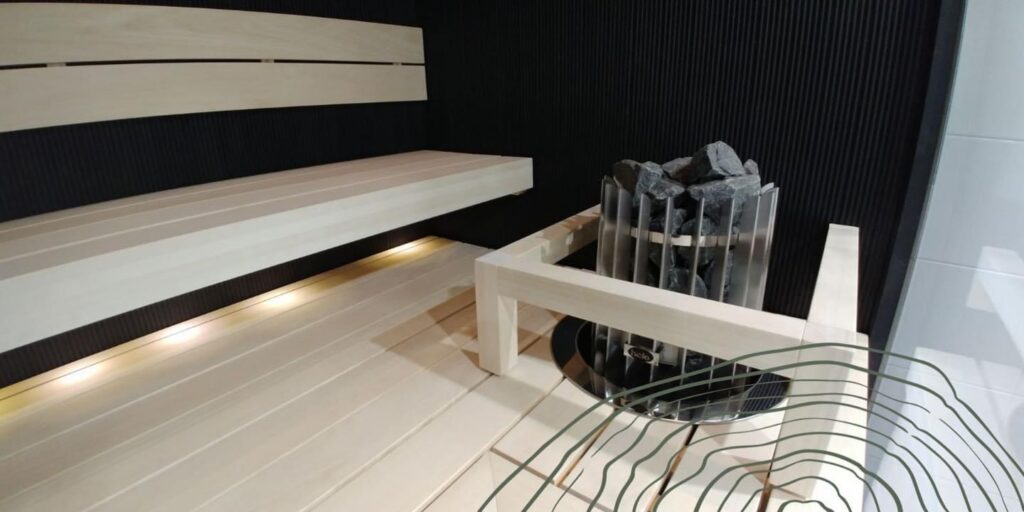
Yes, sauna use can genuinely help you sleep better. The heat exposure triggers a series of physiological changes, including a post-sauna drop in core body temperature, that signal to your brain that it is time to sleep. Most people who use a sauna in the evening report falling asleep faster and experiencing deeper, more restful sleep. Below, we answer the most common questions about sauna and sleep in detail.
How does sauna use affect your body before sleep?
Sauna use prepares your body for sleep by raising your core temperature significantly and then allowing it to fall rapidly once you exit. This cooling-down process mimics the natural temperature drop your body undergoes as it transitions into sleep, reinforcing the signal that it is time to rest. The heat also promotes relaxation by releasing muscle tension and stimulating the production of endorphins.
During a sauna session, your heart rate increases and blood circulation improves, delivering more oxygen to tired muscles. This physical exertion-like effect, without the actual exertion, helps burn off residual stress hormones such as cortisol. As your body cools after the session, melatonin production can increase, further supporting the onset of sleep.
The parasympathetic nervous system, responsible for rest and recovery, becomes more active after heat exposure. This is why many people feel a profound sense of calm following a sauna session, a state that is ideal for transitioning into sleep.
What does research say about sauna and sleep quality?
Research consistently links regular sauna bathing with improved sleep quality. Studies examining Finnish sauna habits show that frequent sauna users report sleeping more soundly and waking less often during the night. The mechanisms behind this are well understood: passive heat exposure elevates core body temperature, and the subsequent cooling phase accelerates the physiological shift into sleep.
Research also suggests that heat therapy reduces the time it takes to fall asleep, a measure known as sleep latency. Warm baths and saunas have been studied as non-pharmacological tools for improving sleep, with findings pointing to meaningful benefits, particularly for people who struggle to wind down in the evenings.
It is worth noting that most research focuses on moderate, regular sauna use rather than occasional or extreme sessions. The cumulative effect of building sauna bathing into a consistent evening routine appears to produce the strongest sleep benefits over time.
How long before bed should you use the sauna?
You should use the sauna roughly one to two hours before going to bed. This window gives your core body temperature enough time to rise during the session and then fall back down before you lie down to sleep. Going to bed while your body temperature is still elevated can actually make it harder to fall asleep, so timing matters.
A typical sauna session of 15 to 20 minutes is sufficient to trigger the thermal response that benefits sleep. After leaving the sauna, your body needs time to cool, and the natural drop in temperature that follows is what promotes drowsiness. Rushing straight from the sauna to bed too quickly can counteract this effect.
If your schedule only allows for a sauna session closer to bedtime, a shorter session at a slightly lower temperature will produce less intense heat loading and allow for a faster recovery, making the transition to sleep smoother.
What type of sauna is best for improving sleep?
Traditional Finnish saunas and infrared saunas both support better sleep, though they work through slightly different mechanisms. A traditional Finnish sauna design and heritage heats the air around you to high temperatures, typically between 80 and 100 degrees Celsius, producing the intense thermal response that drives the post-sauna cooling effect. An infrared sauna heats your body more directly at lower air temperatures, which some people find more comfortable while still achieving meaningful heat exposure.
Traditional Finnish sauna
The traditional sauna, built around a wood or electric stove and heated stones, is the format most associated with the deep relaxation and sleep benefits documented in Nordic research. The combination of dry heat and steam from throwing water on the stones creates a powerful sensory experience that many people find deeply calming. The quality of the sauna bench material matters here too. Knot-free, resin-free woods like aspen and black alder, the primary materials we use at Pieksäwood, stay comfortable to sit on even at high temperatures and contribute to the overall relaxation of the experience.
Infrared sauna
Infrared saunas operate at lower temperatures, typically 45 to 65 degrees Celsius, and are often more accessible for people who find traditional saunas too intense. The heat penetrates deeper into muscle tissue, which can be particularly effective for relieving physical tension before sleep. For people who are new to sauna bathing or sensitive to high heat, an infrared sauna may be a gentler starting point for building a sleep-supporting routine.
Can sauna use help with insomnia or sleep disorders?
Sauna use can be a useful complementary approach for people dealing with insomnia or mild sleep disorders. The combination of temperature regulation, stress hormone reduction, and parasympathetic nervous system activation addresses several of the physiological factors that interfere with sleep onset and maintenance. For people whose insomnia is driven by stress, anxiety, or physical tension, regular evening sauna sessions can meaningfully reduce the barriers to falling asleep.
Sauna bathing is not a replacement for medical treatment in cases of diagnosed sleep disorders such as sleep apnea or severe chronic insomnia. However, as part of a broader sleep hygiene strategy, it complements other healthy habits such as consistent sleep schedules, limiting screen time before bed, and creating a cool sleeping environment.
Industry experience suggests that people who integrate sauna use into a consistent evening routine, rather than using it sporadically, tend to see the most sustained improvement in their sleep patterns. Consistency reinforces the body’s association between the post-sauna cooling phase and the transition into sleep.
Who should avoid sauna before bedtime?
People with certain health conditions should avoid sauna use before bedtime, or consult a doctor before starting a sauna routine. Those with cardiovascular conditions, very low or high blood pressure, or a history of heat-related illness should exercise caution, as the cardiovascular demands of sauna bathing can be significant. Pregnant women are generally advised to avoid high-heat saunas entirely.
People who have consumed alcohol should never use a sauna, as alcohol impairs the body’s ability to regulate temperature and increases the risk of dehydration and cardiovascular strain. Similarly, anyone who is already dehydrated, recovering from illness, or feeling unwell should skip the sauna session and prioritise rest directly.
For healthy adults without underlying conditions, sauna use before bed is safe and beneficial when practised sensibly. Staying well hydrated, limiting session length to 15 to 20 minutes, and cooling down gradually before sleep are straightforward precautions that keep the experience both safe and effective for improving sleep quality. If you would like personalised guidance on choosing the right sauna setup, contact us for expert sauna advice.