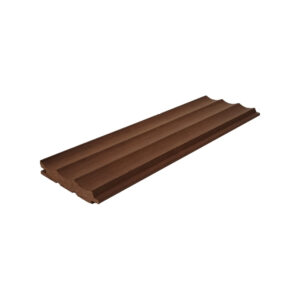
Dark thermally treated wood transforms sauna interiors with its rich, chocolate-brown appearance and enhanced durability. This specialised heat treatment process creates wood that not only looks stunning but also performs exceptionally well in the demanding sauna environment. The thermal modification process changes the wood’s cellular structure, resulting in improved moisture resistance and dimensional stability while creating that distinctive dark colouration many sauna enthusiasts prefer.
Understanding how thermal treatment works and which wood species respond best to this process helps you make informed decisions for your sauna project. The choice between treated and untreated wood depends on your specific requirements for aesthetics, performance, and maintenance.
What makes thermally treated wood dark and durable
Thermal modification uses only hot air and steam to transform wood at the cellular level. This completely chemical-free process exposes wood to temperatures that break down certain compounds within the wood fibres, creating the characteristic dark thermally treated wood appearance.
The heat treatment process removes moisture and modifies the wood’s hemicellulose content, which directly contributes to the darker colouration. As the wood undergoes thermal modification, it develops a rich, deep brown colour that penetrates throughout the entire thickness of the material, not just the surface.
This cellular transformation also improves the wood’s dimensional stability. The modified structure becomes less prone to swelling and shrinking with moisture changes, making it particularly suitable for sauna environments where humidity levels fluctuate dramatically.
The durability improvements come from the reduced hygroscopic properties of the treated wood. It absorbs less moisture than untreated wood, which helps prevent warping, cupping, and other moisture-related deformation issues common in high-humidity environments.
Why aspen and alder excel in thermal treatment
Aspen thermal treatment produces exceptional results because aspen wood has naturally low resin content and an even grain structure. These characteristics allow the heat treatment to penetrate uniformly, creating consistent colour and performance throughout the wood.
Finnish aspen responds particularly well to thermal modification. The wood’s cellular structure transforms evenly during the heat treatment process, resulting in a beautiful chocolate-brown colour that remains consistent across the entire board. Aspen’s naturally smooth surface becomes even more refined after thermal treatment.
Alder also excels in thermal treatment due to its fine, uniform grain pattern. Alder thermal treatment creates wood with enhanced stability and an attractive dark finish. The species’ natural properties complement the thermal modification process, producing material that maintains its smooth texture while gaining improved moisture resistance.
Both aspen and alder are naturally resin-free, which means they won’t release sticky substances when heated in sauna conditions. This characteristic becomes even more pronounced after thermal treatment, ensuring comfortable contact with skin even at high temperatures.
The even density distribution in both species allows for consistent heat penetration during thermal modification, resulting in uniform colour development and predictable performance characteristics throughout each board.
Dark wood’s advantages for sauna environments
The dark wood sauna interior aesthetic creates a sophisticated, calming atmosphere that many users find more relaxing than lighter wood tones. The deep chocolate-brown colour of thermally treated wood provides visual warmth that complements the physical warmth of the sauna experience.
Moisture resistance stands out as a key functional benefit of heat-treated wood in sauna applications. The thermal modification process reduces the wood’s ability to absorb moisture, which translates to better performance in the high-humidity sauna environment. This improved moisture resistance helps maintain the wood’s appearance and structural integrity over time.
Dimensional stability proves particularly valuable in sauna construction. Thermally treated wood sauna panels and benches experience less movement due to temperature and humidity changes. This stability reduces gaps between boards and maintains a more consistent appearance throughout the sauna’s lifespan.
The enhanced durability of thermally treated wood means less maintenance over time. The modified wood structure resists many of the common issues that affect untreated wood in sauna environments, including excessive moisture absorption and related deformation.
Temperature comfort improves with thermally treated wood because the modification process affects how the wood conducts heat. Users often find that treated wood feels more comfortable against skin, even at high sauna temperatures.
Choosing between treated and untreated wood for saunas
Untreated aspen and alder offer the traditional light-coloured sauna aesthetic that many people associate with authentic Finnish sauna design. These natural woods provide excellent performance in sauna environments and maintain their light appearance over time with proper care.
Consider sauna wood treatment when you want enhanced dimensional stability and reduced maintenance requirements. Thermally treated options work particularly well in commercial saunas or high-use residential installations where consistent performance matters most.
Budget considerations often influence this choice. Untreated wood typically costs less initially, while thermally treated wood may provide better long-term value through reduced maintenance needs and improved longevity.
Visual preferences play a significant role in material selection. Some sauna users prefer the traditional light wood appearance, while others favour the sophisticated look of dark thermally treated wood. Both options perform excellently in sauna environments.
Installation location affects material choice as well. Saunas in areas with extreme humidity fluctuations may benefit more from the enhanced stability of thermally treated wood, while saunas in more stable environments can perform well with either option.
Usage frequency should influence your decision. High-use saunas may benefit from the enhanced durability and reduced maintenance requirements of thermally treated wood, while occasional-use saunas can perform well with untreated materials.
At Pieksäwood, we’ve spent over 20 years perfecting our thermal treatment process for both aspen and alder. Our modern production line in Pieksämäki ensures consistent quality in every board we produce. Whether you choose our thermally treated dark wood or traditional untreated options, you’ll receive carefully crafted materials that bring the authentic Finnish sauna experience to your space. We control every step of the process, from sawing Finnish aspen at our own sawmill to the final planing and quality inspection, ensuring you receive premium sauna materials that perform beautifully for years to come. Contact us for expert guidance on selecting the perfect wood for your sauna project.