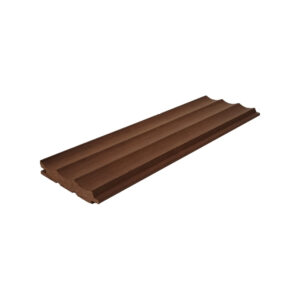
When you’re planning a sauna project, choosing the right wood can make or break your investment. Most builders know about traditional sauna woods like cedar or pine, but there’s a Finnish secret that’s been quietly revolutionizing sauna construction: heat-treated aspen, or lämpökäsitelty haapa, as we call it in Finland. This remarkable material combines aspen’s naturally excellent sauna properties with enhanced durability that solves many common problems sauna builders face. You’ll discover how the heat treatment process transforms ordinary aspen into a superior sauna material, why it outperforms other woods in high-heat environments, and how to choose the right products for your specific project needs.
What makes heat-treated aspen different from regular sauna wood
The heat treatment process transforms aspen through a carefully controlled thermal modification that fundamentally changes the wood’s structure. The process begins by rapidly heating the timber to 100 degrees Celsius to remove all moisture content completely. Once the wood reaches this dry state, temperatures slowly increase to between 175 and 210 degrees Celsius, where the material remains for 1.5 to 3 days, depending on the wood species, thickness, and desired colour intensity.
During this thermal modification process, steam and hot air work together to create chemical changes within the wood fibres. Water and resin are naturally extracted from the timber, while the wood develops its characteristic rich brown colour. The steam serves multiple protective functions, preventing cracking and combustion while facilitating the chemical transformations that enhance the wood’s properties.
This treatment creates wood with significantly improved dimensional stability compared to untreated aspen. The moisture absorption capacity is reduced dramatically, which means less swelling and shrinking as humidity levels change. You’ll notice that heat-treated aspen maintains its shape and dimensions far better than regular sauna wood, even in the extreme temperature fluctuations typical of sauna environments.
Why aspen outperforms other woods in sauna environments
Aspen brings unique natural characteristics that make it particularly suitable for sauna construction. Unlike resinous woods such as pine or spruce, aspen contains virtually no pitch or resin. This means you won’t encounter sticky surfaces or resin bleeding that can occur with other wood types when exposed to high temperatures.
The wood’s cellular structure naturally maintains comfortable surface temperatures, even when ambient air reaches typical sauna heat levels. You can comfortably sit on aspen bench boards without the burning sensation that some denser woods create. This thermal comfort extends throughout your sauna session, making the experience more enjoyable.
Heat-treated aspen develops a pleasant, mild aroma during the thermal modification process. This subtle wood fragrance enhances the sauna atmosphere without overwhelming your senses, unlike some woods that can produce strong or medicinal odours when heated. The consistent, appealing scent contributes to the relaxing environment that makes Finnish sauna culture so cherished.
The wood’s light colour, enriched by the heat treatment’s rich brown tones, creates an inviting visual atmosphere. Aspen’s smooth grain pattern provides an elegant, understated appearance that complements both traditional and contemporary sauna designs.
How heat treatment solves common sauna wood problems
Traditional sauna construction often faces challenges with wood movement, moisture damage, and premature deterioration. Heat treatment addresses these issues systematically through the thermal modification process. The controlled heating and cooling cycle stabilises the wood fibres, significantly reducing the tendency to warp or twist over time.
Moisture absorption, one of the biggest enemies of sauna wood, becomes much less problematic with heat-treated aspen. The thermal process alters the wood’s cellular structure, creating enhanced moisture resistance without chemical treatments. This means your sauna interior maintains its appearance and structural integrity longer, even with regular use and cleaning.
Cracking and splitting, common problems in high-heat environments, occur far less frequently with heat-treated aspen. The thermal modification process relieves internal stresses within the wood, while the steam treatment during processing helps prevent surface checking. You’ll find that properly heat-treated aspen maintains smooth, crack-free surfaces throughout its service life.
The completely non-toxic and ecological treatment process means you avoid the potential health concerns associated with chemically treated woods. The modification uses only heat and steam, making it safe for the enclosed sauna environment where you’re breathing deeply and your skin comes into direct contact with the wood surfaces.
Choosing the right heat-treated aspen products for your project
Heat-treated aspen comes in several product formats designed for different sauna applications. Panels work excellently for wall and ceiling installations, providing smooth surfaces that resist moisture while maintaining the thermal comfort aspen is known for. These heat-treated aspen panels suit both traditional log saunas and modern prefabricated designs.
Bench boards represent perhaps the most important application for heat-treated aspen in sauna construction. The combination of aspen’s naturally comfortable surface temperature and the enhanced stability from heat treatment creates ideal seating surfaces. You’ll want to select knot-free and resin-free boards that maintain their smooth texture even under intense heat and humidity.
Interior trim and finishing elements made from heat-treated aspen provide consistent aesthetics throughout your sauna interior. These components include door frames, corner pieces, and decorative elements that tie the design together while benefiting from the same enhanced durability as the primary structural elements.
When selecting products, consider the specific conditions in different areas of your sauna. Bench areas require the smoothest, highest-grade materials since they’ll have direct skin contact. Wall panels can accommodate slight variations in grain or colour that add visual interest. Ceiling applications benefit from the dimensional stability that prevents gaps from developing between boards.
The key lies in matching the product grade and specifications to your intended use while ensuring all materials come from properly executed heat treatment processes. Quality heat treatment requires precise temperature control and timing to achieve the optimal balance of enhanced properties without compromising the wood’s structural integrity.
Heat-treated aspen truly deserves recognition as a premium sauna building material. Its combination of natural thermal comfort, enhanced durability, and ecological processing makes it an intelligent choice for both professional builders and DIY enthusiasts. At Pieksäwood, we’ve spent over 20 years perfecting our heat treatment process, particularly with aspen, ensuring every board meets the exacting standards that Finnish sauna culture demands. Our modern production line in Pieksämäki handles the complete process, from sawing Finnish aspen through heat treatment to final planing, delivering materials that bring the authentic Finnish sauna experience to projects worldwide. Contact us for project consultation.