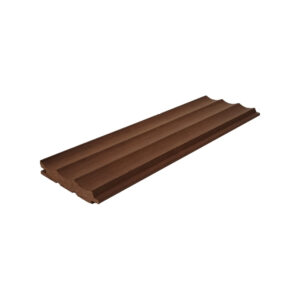
Contractors know that choosing the right materials can make or break a project. When it comes to wood, traditional timber often creates headaches with warping, moisture damage, and unexpected maintenance costs. Heat-treated aspen wood offers a solution that addresses these common problems while delivering the natural beauty clients want.
This specialized material undergoes a controlled thermal process that transforms its properties, making it more stable and durable than regular timber. For contractors working on saunas, interior panelling, or public spaces, understanding why heat-treated aspen performs better can help you deliver projects that last.
Let’s explore what makes this material different and why it’s becoming the go-to choice for professionals who need reliable results.
What makes heat-treated aspen wood different from regular timber
Heat treatment fundamentally changes wood at a molecular level through a carefully controlled thermal process. The treatment begins by rapidly heating the timber to 100 degrees Celsius to completely dry the material. Once fully dried, the temperature slowly rises to between 175–210 degrees Celsius, where it remains for 1.5 to 3 days depending on the wood species, thickness, and desired colour intensity.
During this process, steam and hot air work together to modify the wood’s structure. Water and resin are drawn out while the wood develops its characteristic rich brown colour. The steam serves multiple purposes: it prevents cracking and ignition while influencing the chemical changes occurring within the wood fibres.
This thermal modification creates several important property changes. The wood becomes significantly more dimensionally stable, meaning it expands and contracts less with humidity changes. Moisture resistance improves dramatically because the treatment alters the wood’s ability to absorb water. The process also enhances the material’s natural resistance to decay and insects without using any chemical treatments.
Unlike pressure-treated lumber that relies on chemical preservatives, heat treatment uses only temperature and steam. This makes the process completely non-toxic and environmentally friendly, producing wood that’s safe for any application while gaining a pleasant natural aroma.
Why contractors face challenges with traditional wood materials
Regular timber presents several recurring problems that can derail construction schedules and budgets. Moisture-related issues top the list, with untreated wood absorbing and releasing water based on environmental conditions. This constant movement leads to warping, cupping, and dimensional changes that can compromise installations months after completion.
Maintenance requirements create ongoing costs for clients and potential callback issues for contractors. Traditional wood often requires regular sealing, staining, or replacement, particularly in high-moisture environments like bathrooms or saunas. These maintenance needs can strain client relationships and impact your reputation when materials fail prematurely.
Project delays frequently occur when wood materials don’t perform as expected. Boards that warp during installation need replacement, causing schedule disruptions and material waste. Quality inconsistencies between batches can create visual problems that require rework, especially noticeable in prominent applications like feature walls or custom millwork.
Insurance and liability concerns also arise when traditional materials fail in critical applications. Water damage from wood that doesn’t handle moisture properly can lead to expensive repairs and potential legal issues. These risks make material selection a crucial decision that extends far beyond initial cost considerations.
How heat-treated aspen solves construction project problems
Heat-treated aspen addresses the core issues contractors face with traditional timber through its enhanced material properties. The thermal modification process creates exceptional dimensional stability, meaning boards maintain their shape and size even when humidity levels fluctuate. This stability eliminates the warping and movement that cause installation problems and client complaints.
Moisture resistance improvements make heat-treated aspen suitable for challenging environments where regular wood would fail. The treatment reduces the wood’s ability to absorb water, preventing the swelling and shrinking cycles that damage installations over time. This makes it particularly valuable for sauna construction and other high-humidity applications.
Quality consistency represents another major advantage for contractors. The controlled heat treatment process produces uniform results across batches, ensuring that boards match in colour and performance characteristics. This consistency eliminates the sorting and selection time typically required with regular timber, speeding up installation and reducing waste.
Reduced maintenance requirements benefit both contractors and clients. Heat-treated aspen naturally resists decay and insect damage without chemical treatments, extending service life significantly. The material maintains its appearance longer, reducing callback requests and warranty issues that can impact profitability.
The non-toxic nature of the heat treatment process also addresses growing environmental and health concerns. Unlike chemically treated alternatives, heat-treated aspen is safe for any application, including children’s spaces and food preparation areas, expanding your potential project opportunities.
Real-world applications where contractors choose heat-treated aspen
Sauna construction represents the most common application where contractors choose heat-treated aspen. The material’s ability to handle extreme temperature and humidity changes makes it ideal for both benches and wall panelling. The smooth surface remains comfortable even in high heat, while the enhanced stability prevents the gaps and movement that can develop with traditional sauna wood.
Interior panelling projects benefit from heat-treated aspen’s consistent appearance and dimensional stability. The rich brown colour achieved through thermal modification creates an attractive finish that doesn’t require staining, saving time and materials. The stability ensures panels remain flat and properly aligned over time, maintaining the professional appearance clients expect.
Public spaces and commercial projects increasingly specify heat-treated materials due to their durability and low maintenance requirements. Schools, offices, and hospitality venues value the combination of natural beauty and practical performance. The non-toxic treatment process also meets strict environmental standards often required in public buildings.
Custom millwork and architectural details showcase heat-treated aspen’s workability and appearance. The material machines cleanly and accepts finishes well when additional coating is desired. Its stability makes it suitable for detailed profiles and joinery work where movement could compromise the installation.
Outdoor applications under cover also benefit from heat-treated aspen’s moisture resistance. Covered porches, gazebos, and similar structures gain extended service life while maintaining the natural wood aesthetic that clients prefer over synthetic alternatives.
Choosing the right materials sets the foundation for successful projects and satisfied clients. Heat-treated aspen offers contractors a reliable solution that addresses common wood-related problems while delivering the natural beauty and performance modern projects demand. At Pieksäwood, we’ve spent over 20 years perfecting our heat treatment process using modern equipment in our Pieksämäki facility. Our complete control over the manufacturing process, from sawing Finnish aspen through heat treatment to final planing and packaging, ensures consistent quality that helps contractors deliver exceptional results. For more information about our heat-treated aspen wood products or to discuss your specific project requirements, contact us.