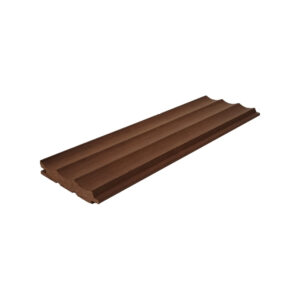
When you’re building or renovating a sauna, choosing the right materials makes all the difference between a space that lasts for years and one that requires constant maintenance. Thermally modified sauna panels and benches offer an excellent solution for creating beautiful, durable sauna interiors without the drawbacks of chemical treatments. This enhanced wood undergoes a natural process that transforms its properties, making it perfectly suited to the demanding environment inside your sauna. Understanding how thermal modification works and which wood species perform best helps you make informed decisions for your sauna project.
What makes thermally modified wood perfect for saunas
The thermal modification process transforms ordinary wood into a superior sauna construction material through heat and steam alone. During this completely chemical-free process, wood is exposed to temperatures between 160–230°C in controlled conditions using only hot air and water vapour. This natural treatment fundamentally changes the wood’s cellular structure without adding any harmful substances.
Heat-treated wood benefits become immediately apparent in sauna environments. The process significantly reduces the wood’s ability to absorb moisture, which means your sauna panels won’t swell and contract as much when exposed to high humidity and temperature changes. This improved dimensional stability prevents warping, cracking, and the gaps that often develop between untreated boards over time.
Thermal modification also increases the wood’s natural durability. By breaking down the nutrients that fungi and bacteria typically feed on, the process creates wood that naturally resists decay without requiring any chemical preservatives. This makes thermally modified wood an excellent choice for the hot, humid conditions inside saunas, where untreated wood might struggle.
Another advantage comes from the process itself, which creates a beautiful, rich colour throughout the wood. Unlike stains or surface treatments, this deep colouration penetrates completely through the material, ensuring a consistent appearance even if the surface gets scratched or worn during normal use.
Aspen vs alder: choosing the right thermally modified wood
Both aspen and alder excel as sauna interior materials, but each offers distinct characteristics that suit different preferences and applications. Understanding these differences helps you select the perfect wood for your specific sauna project.
Aspen sauna panels provide exceptional comfort for direct skin contact. Finnish sauna wood traditions have long favoured aspen because it remains pleasantly cool even at high temperatures, making it ideal for sauna benches where you’ll be sitting or lying down. Aspen’s naturally smooth surface feels comfortable against bare skin, and it doesn’t retain heat the way some other woods do.
When thermally modified, aspen develops a beautiful light to medium brown colour that deepens throughout the thermal modification process. The wood maintains its smooth texture while gaining enhanced stability and moisture resistance. Aspen works particularly well for both horizontal and vertical applications in saunas.
Alder sauna wood offers its own unique benefits. This hardwood species provides excellent durability and develops stunning colour variations during thermal treatment, ranging from warm golden tones to rich browns. Alder tends to be slightly denser than aspen, which some builders prefer for structural applications or areas that receive more wear.
Both species share important qualities that make them superior choices for sauna construction materials. Neither contains resin or pitch that could create hot spots or sticky surfaces at high temperatures. They both accept thermal modification well, resulting in stable, long-lasting materials that maintain their appearance over time.
Installation tips for thermally modified sauna panels
Proper installation ensures your thermally modified sauna panels perform optimally and look beautiful for years. While these materials offer improved stability compared to untreated wood, following correct installation practices maximises their benefits.
Allow your panels to acclimate to the installation environment before beginning work. Even though thermal modification reduces movement, letting the wood adjust to local humidity conditions for several days helps prevent minor movement after installation.
When fastening panels, use appropriate spacing to accommodate any remaining thermal expansion. Thermally modified sauna panels move less than untreated wood, but high sauna temperatures can still cause some movement. Leave small gaps between board ends and avoid over-tightening fasteners.
Choose corrosion-resistant fasteners designed for high-temperature, high-humidity environments. Stainless steel screws or nails work well and won’t create stains or corrosion marks on your beautiful wood surfaces. Pre-drilling prevents splitting, especially near board ends.
Pay attention to ventilation behind panels. Proper air circulation helps maintain the wood’s performance and prevents moisture buildup that could affect even treated materials over time. Install panels over furring strips or a framework that allows air movement.
For sauna benches, ensure adequate support underneath. While thermally modified wood offers good strength, a proper support structure prevents sagging and ensures safety for users. Space support points according to the wood thickness and expected loads.
Maintaining your thermally modified sauna interior
One significant advantage of choosing thermally modified wood for your sauna is the simplified maintenance compared to untreated alternatives. The thermal modification process creates wood that naturally resists many common problems, reducing your ongoing maintenance work.
Regular cleaning requires only simple methods. Wipe down surfaces with clean water and a soft cloth or brush to remove any accumulated sweat, oils, or debris. The modified wood’s reduced absorbency means spills and stains don’t penetrate as deeply as they would in untreated wood.
Avoid harsh chemical cleaners that could damage the wood’s surface or create unwanted odours in your sauna environment. Mild, natural cleaning solutions work effectively when needed for deeper cleaning. The wood’s natural resistance to bacteria and fungi means you don’t need aggressive antimicrobial treatments.
Heat-treated sauna wood maintains its appearance longer than untreated alternatives. The thermal modification process creates colour that goes throughout the wood, so normal wear doesn’t reveal lighter wood underneath. This means less frequent refinishing compared to surface-treated materials.
Inspect your sauna periodically for any loose fasteners or minor damage that normal use might cause. Address small issues promptly to prevent them from becoming larger problems. Check that ventilation systems continue working properly to maintain optimal conditions for your wood surfaces.
The reduced maintenance requirements of thermally modified wood let you spend more time enjoying your sauna rather than working on it. This makes it particularly valuable for commercial installations or busy households where maintenance time is limited.
When you’re ready to create a beautiful, long-lasting sauna interior, we at Pieksäwood bring over 75 years of Finnish wood expertise and 20 years of thermal modification experience to your project. Our complete control over the production process, from sawing Finnish aspen and alder at our own sawmill in Pieksämäki to thermal treatment and final planing, ensures consistently high quality. We manufacture all our thermally modified sauna panels and benches in the heart of Finland, combining traditional craftsmanship with modern production technology to deliver premium wood products that meet the highest standards for your sauna project. Contact us today to discuss your specific requirements.