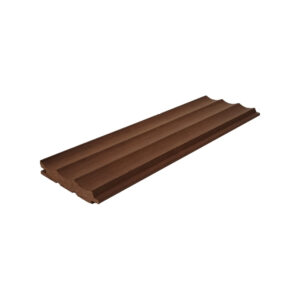
When you’re planning a sauna project, the choice of materials can make or break the entire experience. Traditional wood has served saunas well for centuries, but thermally modified wood takes sauna construction to a completely different level. This advanced material combines the natural beauty of Finnish wood with enhanced performance characteristics that address the unique challenges of sauna environments. Understanding how thermal modification transforms wood properties helps you make informed decisions about sauna materials and wood products that will perform beautifully for decades.
What makes thermally modified wood different from regular sauna materials
Thermal modification fundamentally changes wood at the molecular level through a carefully controlled process that uses only heat and steam. The wood undergoes treatment at temperatures between 160°C and 230°C in oxygen-free environments, creating chemical changes that alter its cellular structure without introducing any chemicals.
During this process, the wood’s hemicellulose breaks down partially, while the cellulose and lignin components undergo structural modifications. These changes reduce the wood’s ability to absorb moisture and create a more stable material that responds differently to temperature fluctuations compared to untreated wood.
The treatment duration varies depending on the desired outcome, typically lasting between 48 and 72 hours. This extended exposure to controlled heat creates permanent changes that cannot be reversed, making the wood fundamentally different from its original state. The chemical transformation affects every fibre, creating uniform improvements throughout the entire piece.
Regular sauna materials rely solely on their natural properties, which can vary significantly between pieces and may change over time as the wood ages. Thermally modified wood offers predictable performance characteristics that remain consistent throughout the material’s lifespan.
Why aspen and alder excel in thermal modification
Aspen and alder possess natural characteristics that make them exceptional candidates for thermal modification. Both species feature relatively low density and even grain patterns that allow heat to penetrate uniformly during the modification process.
Aspen’s cellular structure contains minimal extractives, which means fewer compounds that could interfere with the thermal treatment process. This clean composition allows the heat treatment to work more effectively, creating consistent results throughout each piece. The wood’s naturally light colour also responds beautifully to thermal modification, developing rich, darker tones.
Alder brings similar advantages with its fine, even grain structure that accepts thermal treatment uniformly. Both species are naturally knot-free and resin-free, eliminating the complications that pitch pockets or knots can create during heat treatment. These characteristics ensure that the thermal modification process produces consistent results without weak spots or irregular areas.
The fibre structure of both aspen and alder allows moisture to move through the wood in predictable patterns. During thermal modification, this property helps ensure even heat distribution and consistent chemical changes throughout the material. This uniformity translates directly into better performance in sauna applications.
How thermal modification improves sauna wood performance
The thermal modification process creates several performance improvements that directly benefit sauna applications. Dimensional stability increases significantly, meaning the wood expands and contracts less with temperature and humidity changes. This stability prevents the warping, cupping, and splitting that can affect untreated sauna wood over time.
Moisture resistance improves dramatically through the chemical changes that occur during heat treatment. The modified wood absorbs significantly less water, which helps prevent the growth of mould, mildew, and bacteria that thrive in humid sauna environments. This characteristic also means the wood dries more quickly after sauna sessions.
The thermal treatment process creates a darker, richer colour that develops naturally without stains or chemicals. This chocolate-brown tone remains stable over time and won’t fade or change with exposure to heat and humidity. The colour penetrates throughout the wood, so any minor scratches or wear won’t reveal lighter wood underneath.
Durability increases substantially as the modified wood becomes more resistant to decay and insect attack. The chemical changes that occur during thermal treatment make the wood less appealing to organisms that typically cause deterioration. This enhanced durability means a longer service life and reduced maintenance requirements.
Quality control in thermal modification manufacturing
Modern thermal modification requires precise control systems that monitor temperature, humidity, and atmosphere throughout the treatment cycle. Advanced manufacturing facilities use computer-controlled kilns that maintain exact conditions and automatically adjust parameters to ensure consistent results.
Quality assurance begins with careful selection of raw materials, ensuring that only properly dried and graded lumber enters the thermal modification process. Each batch undergoes testing to verify moisture content, density, and other characteristics that affect treatment outcomes.
During the modification process, continuous monitoring systems track temperature profiles, steam injection rates, and atmosphere composition. These systems create detailed records for each batch, enabling manufacturers to maintain consistent quality and trace any issues back to specific process parameters.
Post-treatment quality control includes testing for dimensional stability, moisture absorption rates, and colour consistency. Manufacturing standards require verification that the thermal modification has achieved the intended performance improvements without creating defects or inconsistencies.
The most reliable thermal modification facilities integrate the entire production chain, from sawing raw materials through final packaging. This comprehensive approach ensures quality control at every stage and eliminates variables that could affect the final product’s performance.
At Pieksäwood, we’ve spent over 20 years perfecting our thermal modification process, specialising in aspen and alder treatment. Our modern production line in Pieksämäki ensures that every piece of thermally modified wood meets exacting quality standards. We control the entire manufacturing process, from sawing Finnish aspen at our own sawmill through thermal treatment in our advanced facility to final planing and packaging, guaranteeing consistent quality for your sauna project. Explore our Savu collection of thermally modified wood or contact us for expert guidance.