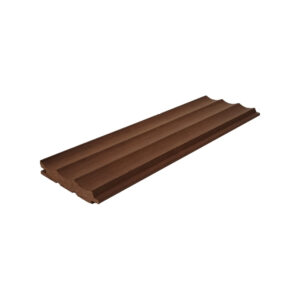
Heat treatment transforms ordinary aspen wood into something extraordinary. This thermal modification process changes the wood’s fundamental properties, making it more durable, stable, and ideal for demanding applications like saunas and interior spaces. You’ll discover how controlled heat and steam create lasting improvements that make lämpökäsitelty haapa (heat-treated aspen) a superior choice for your projects. Understanding these enhancements helps you make informed decisions about wood selection for both residential and commercial applications.
What happens when you heat-treat aspen wood
The thermal modification process begins with the complete drying of the timber by rapidly raising its temperature to 100 degrees Celsius. Once the wood reaches complete dryness, the temperature is slowly increased to between 175–210 degrees Celsius for 1.5 to 3 days, depending on the wood species, raw material thickness, and desired colour intensity.
Heat treatment relies on water vapour and hot air to modify the wood’s cellular structure. During this process, the wood’s composition changes as water and resin are removed from the timber. The water vapour serves multiple purposes: it protects against cracking and ignition while influencing the chemical changes occurring within the wood.
The cellular transformation happens gradually. Hemicelluloses partially break down, reducing the wood’s ability to absorb moisture. Lignin becomes more stable, and extractives that can cause discolouration or odours are eliminated. The wood develops its characteristic rich brown colour as these chemical changes occur.
After the heating phase, the timber’s temperature returns to normal levels. The result is beautifully brown, durable wood with a pleasant woody fragrance that maintains these enhanced properties permanently.
How heat treatment improves aspen durability and stability
Heat treatment creates significant improvements in aspen’s fundamental properties. Moisture resistance increases dramatically because the thermal process reduces the wood’s hygroscopic nature. The modified cellular structure absorbs less water from the environment, leading to better dimensional stability.
Dimensional stability improves substantially compared to untreated aspen. The wood experiences reduced shrinkage and swelling when exposed to humidity changes. This stability makes heat-treated aspen ideal for applications where consistent dimensions matter, such as panelling and interior trim work.
The longevity of heat-treated aspen exceeds that of natural aspen in most applications. The removal of nutrients that fungi and insects typically consume creates a naturally more resistant material. While not classified as naturally durable timber, heat-treated aspen performs better in challenging environments than its untreated counterpart.
These improvements occur without any toxic chemicals. The manufacturing process uses only heat and water vapour, making it completely non-toxic and ecological. This environmental friendliness appeals to health-conscious consumers and environmentally responsible builders.
Why heat-treated aspen works better for saunas
Sauna environments present unique challenges that heat-treated aspen handles exceptionally well. The combination of high temperatures, humidity fluctuations, and regular use demands materials with superior performance characteristics.
The improved moisture resistance prevents the wood from absorbing excessive steam and humidity. This characteristic reduces the risk of warping, cupping, or other dimensional changes that could compromise the sauna’s appearance and function over time.
Temperature stability becomes particularly important in sauna applications. Heat-treated aspen maintains its properties even when exposed to the extreme temperature variations typical in sauna use. The wood remains comfortable to the touch even at high temperatures, making it safe for direct skin contact.
The elimination of extractives during heat treatment removes substances that could create unpleasant odours or staining when exposed to heat and moisture. Instead, the wood maintains its pleasant, natural fragrance that enhances the sauna experience.
The smooth surface texture of heat-treated aspen remains consistent over time. Unlike some materials that become rough or splintery with use, properly processed heat-treated aspen maintains its comfortable feel, which is important for bare skin contact in sauna environments.
Comparing untreated vs heat-treated aspen performance
Natural aspen already possesses several desirable qualities: it’s knot-free, resin-free, and has a pleasant surface texture. However, heat treatment amplifies these positive characteristics while addressing the wood’s natural limitations.
Moisture absorption represents the most significant difference. Untreated aspen readily absorbs moisture from the environment, leading to dimensional changes. Heat-treated aspen shows dramatically reduced moisture absorption, maintaining more stable dimensions across varying humidity conditions.
Colour consistency differs markedly between the two materials. Natural aspen can develop uneven colouration over time, particularly when exposed to light and moisture. Heat-treated aspen develops a uniform brown colouration during processing that remains consistent throughout its service life.
Durability improvements become apparent in challenging applications. While natural aspen works well in protected interior environments, heat-treated aspen performs reliably in more demanding conditions like saunas, bathrooms, and other high-humidity spaces.
Surface stability shows measurable improvement in heat-treated material. The modified wood structure resists the surface checking and grain raising that sometimes affect natural aspen when it is exposed to moisture cycles.
Processing quality benefits from heat treatment as well. The thermal modification process creates more uniform material properties throughout each piece, leading to more predictable machining and finishing results.
Both materials maintain aspen’s naturally pleasant working characteristics, but heat treatment extends the range of suitable applications significantly. This versatility makes lämpökäsitelty haapa an excellent investment for projects requiring enhanced performance.
Heat treatment transforms aspen into a premium material that combines natural beauty with enhanced performance. The thermal modification process creates measurable improvements in stability, durability, and moisture resistance while maintaining the wood’s inherently pleasant characteristics. Whether you’re planning a sauna project or an interior renovation, understanding these enhancements helps you choose quality wood materials that deliver lasting satisfaction. At Pieksäwood, our 20 years of heat treatment experience and modern production facilities ensure you receive consistently high-quality lämpökäsitelty haapa that meets the demanding standards of Finnish craftsmanship. For more information about our heat-treated aspen products, contact our expert team.