Aspen is one of the best woods you can choose for designing a warm, timeless sauna interior. Its naturally pale tone, smooth grain, and knot-free surface create a calm, inviting atmosphere that suits both traditional Finnish saunas and contemporary spa-style spaces. The sections below answer the most common questions about working with aspen in sauna design.
Why is aspen such a popular choice for sauna interiors?
Aspen is popular for sauna interiors because it stays cool to the touch even at high temperatures, has no resin, and offers a naturally smooth, splinter-free surface. These qualities make it safe and comfortable for bare skin on benches and panels alike, which is why it has been the preferred sauna wood in Finland for generations.
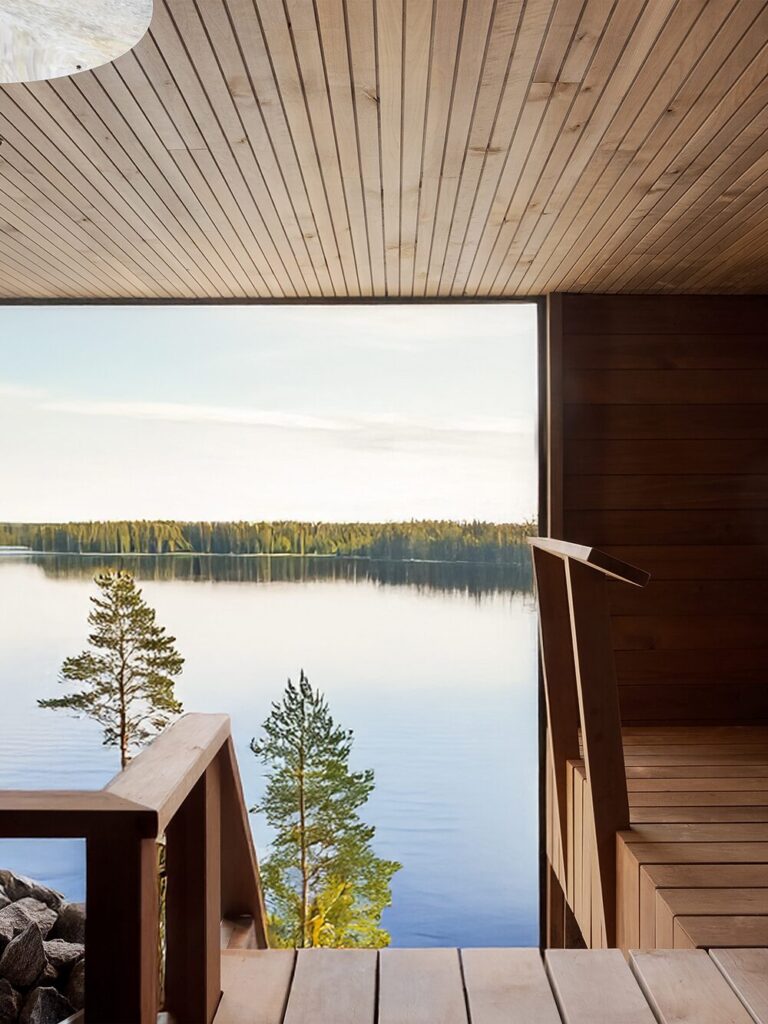
Beyond safety and comfort, aspen brings a quiet visual elegance to sauna spaces. Its light, creamy tone reflects light evenly and creates a sense of airiness, even in compact rooms. The grain is fine and consistent, which means the finished surface looks refined without requiring heavy treatment or staining.
Aspen also handles moisture exceptionally well. In a sauna environment where steam and temperature swings are constant, the wood needs to expand and contract without cracking or warping. Aspen manages this naturally, which extends the lifespan of both panels and bench surfaces significantly. For anyone prioritising aspen sauna wood that performs as well as it looks, these practical qualities are just as important as the aesthetics.
What does heat-treated aspen mean for sauna design?
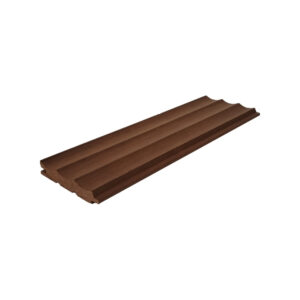
Heat-treated aspen is aspen that has been thermally modified using only heat and steam, with no chemicals involved. The process deepens the wood’s colour to a warm, honey-brown tone and improves its resistance to moisture and dimensional movement. In sauna design, heat-treated aspen offers a richer visual palette while retaining all the comfort properties of natural aspen.
The thermal modification process works by altering the wood’s cell structure, making it more stable and less likely to absorb and release moisture rapidly. This is particularly valuable in sauna environments where humidity levels shift dramatically between sessions. The result is a surface that stays more dimensionally consistent over time, which means fewer gaps between panels and a longer-lasting installation.
From a design perspective, heat-treated aspen opens up a second colour register. Where untreated aspen reads as pale and Nordic, heat-treated aspen reads as warm and earthy. Both are timeless, but they create quite different atmospheres. Pairing heat-treated bench surfaces with natural aspen paneling, for example, creates a layered, two-tone interior that feels intentional and sophisticated. We offer both natural and heat-treated aspen sauna wood products, including panels, bench boards, and trim, all manufactured at our facility in Pieksämäki, Finland.
How do you choose between aspen panels and benches for a cohesive look?
For a cohesive sauna interior, the key is to treat panels and benches as a unified material palette rather than separate decisions. Using the same wood species for both creates visual harmony, while varying the finish, such as natural aspen for walls and heat-treated aspen for benches, adds depth without disrupting the overall flow.
When selecting aspen sauna paneling, consider the profile. Narrower panels create a more traditional, vertically lined look, while wider boards feel more contemporary and open. The direction of installation also matters: vertical paneling draws the eye upward and makes low ceilings feel taller, while horizontal paneling emphasises the length of a room and suits modern, minimalist designs.
For benches, the priority shifts from aesthetics to ergonomics and durability. Bench boards need to be wide enough to sit on comfortably, smooth enough not to snag skin, and stable enough to resist the constant cycle of heat and moisture. Knot-free aspen is the standard choice here precisely because knots can heat unevenly and create rough spots. Matching the bench profile to the panel profile, even in a subtle way such as consistent board width or edge detail, ties the whole interior together visually.
What sauna styles work best with aspen wood?
Aspen works well across a wide range of sauna styles, from classic Finnish smoke saunas to sleek, spa-inspired interiors. Its neutral tone and fine grain make it adaptable rather than style-specific, which is one reason it has remained a go-to material for sauna designers across decades.
Traditional Finnish sauna
In a traditional Finnish sauna, aspen fits naturally alongside stone stoves, wooden ladles, and birch whisks. The pale, unadorned surface reinforces the honest, functional aesthetic that defines this style. Vertical tongue-and-groove paneling in natural aspen, combined with solid bench boards, creates an interior that feels both authentic and enduring.
Contemporary and spa-inspired sauna
For a more contemporary look, heat-treated aspen introduces warmth and a sense of craftsmanship that elevates the space. Horizontal paneling, integrated lighting, and clean-lined bench structures all pair well with the deeper tone of thermally modified wood. This style suits hotel wellness spaces, private home saunas with an architectural brief, and any project where timeless sauna design needs to coexist with modern interiors.
It is also worth considering character-grade aspen, such as our Roots collection of character-grade aspen, which celebrates the natural knots and grain patterns found in the outer parts of the aspen trunk. Rather than hiding these features, this approach uses them as a design statement, creating interiors that feel genuinely connected to the forest. Each panel is unique, which suits spaces where individuality and natural authenticity are the brief.
How do you maintain aspen surfaces to keep them looking timeless?
Aspen sauna surfaces require minimal maintenance to stay in good condition. The most important step is ensuring adequate ventilation after each sauna session so the wood can dry fully before the next use. Regular cleaning with a soft brush and warm water removes surface deposits, and the wood should be allowed to dry completely before the sauna is sealed.
Untreated aspen will lighten slightly over time as it dries and ages, which is a natural process rather than a sign of deterioration. If you prefer to preserve the original tone, a light application of a sauna-specific wood oil can be used sparingly. Avoid products that contain solvents or synthetic resins, as these can release unpleasant odours when heated and may compromise the surface over time.
Heat-treated aspen requires even less maintenance than natural aspen because its modified cell structure makes it more resistant to moisture absorption. It can typically be left untreated and simply cleaned as needed. If the surface becomes rough over years of use, a light sanding with fine-grit paper restores the smoothness without removing significant material.
- Ventilate the sauna after every session to allow the wood to dry fully
- Clean surfaces with warm water and a soft brush, avoiding harsh detergents
- Use only sauna-grade wood oil if treating natural aspen, and apply it sparingly
- Sand lightly with fine-grit paper if the surface becomes rough over time
- Inspect bench boards annually for any signs of cracking or loose fixings
With consistent care, aspen wood sauna surfaces can remain beautiful and functional for decades. The combination of natural durability, low maintenance requirements, and timeless visual character is precisely what makes aspen the material of choice for anyone serious about sauna interior design that lasts. Contact us to discuss your sauna project and find out how we can help you achieve the interior you have in mind.