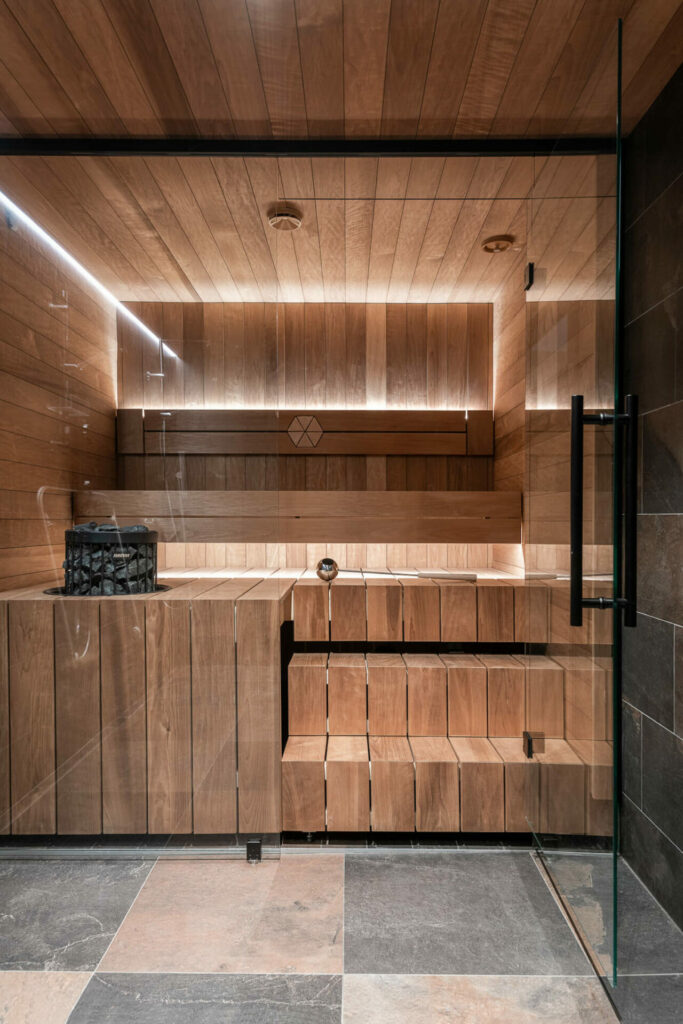
Finnish saunas genuinely improve both physical and mental wellbeing through a combination of heat-driven physiological responses and deep psychological relaxation. Regular sauna use supports cardiovascular function, reduces stress hormones, eases muscle tension, and promotes better sleep. The sections below answer the most common questions about how sauna bathing works and who benefits most.
What happens to your body during a Finnish sauna session?
During a Finnish sauna session, your body responds to intense dry heat by raising your core temperature, increasing your heart rate, and triggering heavy sweating. Blood vessels dilate to push circulation toward the skin surface, muscles relax as tension releases, and your body enters a state similar to mild cardiovascular exercise. The typical session lasts 10 to 20 minutes at temperatures between 70 and 100 degrees Celsius.
Within the first few minutes, your sweat glands activate and your skin temperature rises sharply. Your heart rate can increase to levels comparable to a brisk walk, which is why many researchers describe sauna use as a passive form of cardiovascular conditioning. At the same time, heat-sensitive nerve endings send signals that encourage the body to release endorphins, the same mood-lifting chemicals triggered by physical exercise.
After leaving the sauna, the cooling phase is equally important. Blood pressure drops, muscles remain loose, and the body gradually returns to its resting state. Many Finnish sauna traditions include a cold plunge or cool shower between rounds, which causes blood vessels to contract rapidly and then dilate again, creating a powerful circulatory workout.
How does sauna use improve cardiovascular health?
Sauna use improves cardiovascular health primarily by training blood vessels to dilate and contract repeatedly, which strengthens their elasticity over time. Regular sessions have been associated with lower resting blood pressure, improved circulation, and reduced arterial stiffness. The heat stress placed on the cardiovascular system during a sauna session mimics moderate aerobic exercise in its effect on the heart and blood vessels.
The mechanism is straightforward. When you sit in a hot sauna, your heart pumps faster to circulate blood toward the skin for cooling. This sustained demand on the cardiovascular system, repeated across many sessions over weeks and months, produces adaptations similar to those seen with regular physical activity. Blood vessels become more responsive, and the heart becomes more efficient at managing changes in demand.
Importantly, these benefits appear to scale with frequency. Research in Finnish populations, where sauna use is deeply embedded in daily life, consistently shows that people who use a sauna multiple times per week experience greater cardiovascular benefits than those who use it occasionally. This makes regular sauna use a meaningful complement to an active lifestyle, particularly for people who face barriers to conventional exercise.
Why does a sauna session reduce stress and anxiety?
A sauna session reduces stress and anxiety because heat exposure triggers the release of endorphins and lowers cortisol, the body’s primary stress hormone. The combination of physical warmth, muscle relaxation, and a quiet environment creates conditions that shift the nervous system away from its alert, reactive state and toward a calm, restorative one. The mental health benefits of sauna use are both biochemical and behavioral.
On the biochemical side, the heat causes the body to release beta-endorphins, which produce feelings of calm and mild euphoria. Cortisol levels, which rise during stress, tend to fall after a sauna session. This hormonal shift is one reason many people describe feeling noticeably lighter and more relaxed after even a single visit.
On the behavioral side, a sauna session creates a rare window of deliberate disconnection. There are no screens, no notifications, and no demands. In Finnish culture, the sauna has always been a space for quiet reflection and honest conversation, a tradition that carries real psychological weight. This enforced pause, combined with the physiological relaxation response, makes the sauna one of the most effective natural tools for managing everyday stress and anxiety.
How often should you use a sauna to see health benefits?
Most evidence suggests that using a sauna two to four times per week is enough to experience meaningful health benefits. More frequent use, up to daily sessions, appears to amplify benefits further, particularly for cardiovascular and mental health outcomes. Even one session per week provides some benefit, but consistency over weeks and months matters more than any single long session.
For beginners, starting with one or two sessions per week and keeping each session to 10 to 15 minutes is a sensible approach. As your body adapts to the heat, you can gradually extend session length and increase frequency. Staying well hydrated before and after each session is essential, as heavy sweating depletes fluids quickly.
The Finnish approach, where sauna is simply woven into weekly life rather than treated as an occasional treat, reflects what the evidence supports. The cumulative effect of regular, moderate heat exposure is far more valuable than sporadic intense sessions. Think of it less as a treatment and more as a sustainable wellness habit.
What’s the difference between Finnish sauna and other sauna types?
The key difference between a Finnish sauna and other sauna types is the heat source, humidity level, and cultural context. A traditional Finnish sauna uses a wood-burning or electric stove to heat a pile of stones, with low ambient humidity of around 10 to 20 percent. Water is thrown onto the stones to create short bursts of steam called löyly, which briefly raises perceived heat without significantly increasing overall humidity.
Finnish sauna versus steam room
A steam room operates at much lower temperatures, typically 40 to 50 degrees Celsius, but at close to 100 percent humidity. The air feels heavy and wet rather than dry and intense. While steam rooms are effective for respiratory relief and skin hydration, they do not produce the same cardiovascular or hormonal responses as the higher temperatures of a Finnish sauna.
Finnish sauna versus infrared sauna
An infrared sauna uses infrared light panels to heat the body directly rather than warming the surrounding air. Temperatures are lower, usually 50 to 65 degrees Celsius, and the experience is gentler. Infrared saunas are often marketed as more accessible for people sensitive to high heat. However, the traditional Finnish sauna, with its higher temperatures and the ritual of throwing water on hot stones, produces a more intense physiological response and carries a richer cultural tradition that is central to Finnish identity and wellbeing.
Who should be cautious about using a sauna?
People with certain cardiovascular conditions, low blood pressure, or acute illness should be cautious about sauna use and consult a doctor before starting. Pregnant women, young children, and anyone who has recently consumed alcohol should also avoid sauna sessions. For most healthy adults, sauna use is safe, but individual circumstances always warrant attention.
The primary risks of sauna use are dehydration, overheating, and a sudden drop in blood pressure when standing up after a session. These risks are manageable with common-sense precautions: drink water before and after, limit sessions to a comfortable duration, and sit or move slowly when leaving the sauna.
People with stable, well-managed heart conditions often use saunas safely under medical guidance, and some cardiologists actively recommend it as part of a broader lifestyle approach. The key is honest self-assessment and, when in doubt, professional advice. The Finnish sauna tradition has always emphasized listening to your body, a principle that remains as relevant today as it was when the tradition began.
Whether you are building a home sauna, renovating an existing one, or specifying materials for a commercial wellness space, the quality of the wood you use shapes the entire experience. Understanding why Finnish saunas use heat treated wood helps explain why material selection matters so much for long-term performance and comfort. We craft our sauna benches and panels from carefully selected Finnish aspen and black alder, both knot-free and resin-free, chosen because their smooth surfaces stay comfortable even at high temperatures. Our range of Finnish sauna wood products make a genuine difference to how a sauna feels and performs over years of regular use. sauna bench materials make a genuine difference to how a sauna feels and performs over years of regular use. If you would like guidance on choosing the right materials for your project, get in touch with our team for expert advice tailored to your needs.