Wood surfaces genuinely improve mood and promote relaxation by engaging the senses in ways that reduce psychological stress. The natural texture, warmth, and visual complexity of wood activate the brain’s restorative response, lowering cortisol levels and creating a sense of calm that synthetic materials rarely replicate. The sections below explore the science, the best wood choices, and how to apply these principles in your own spaces.
How does natural wood affect stress and relaxation?
Natural wood reduces stress by triggering the biophilic response, the deep human instinct to connect with nature. Visual exposure to wood grain, natural color variation, and organic texture signals safety and calm to the nervous system, measurably reducing heart rate and perceived stress. This effect is well documented in environmental psychology and forms the foundation of biophilic design principles.
The mechanism works on multiple sensory levels simultaneously. The visual complexity of wood grain holds attention gently without demanding focus, a state researchers call soft fascination that allows the mind to rest and recover. The tactile warmth of wood, which conducts heat far less aggressively than stone or metal, also contributes to physical comfort. Even the subtle scent of certain woods, particularly untreated aspen or thermally modified timber, adds a sensory layer that reinforces the connection to natural environments.
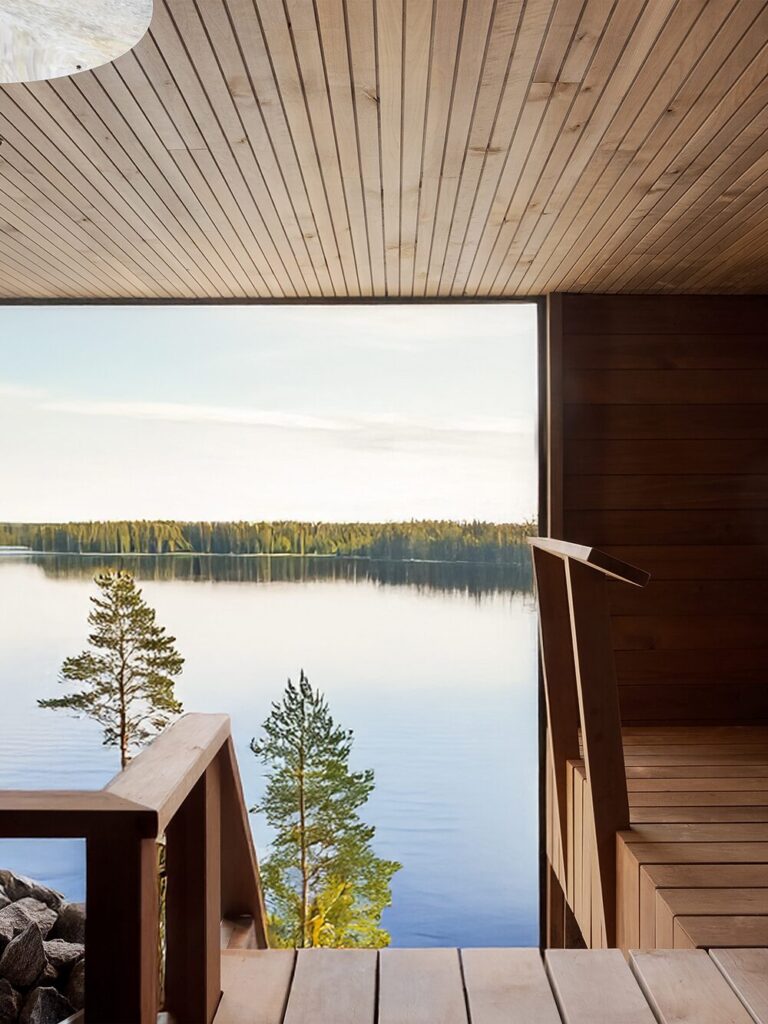
In interior spaces, the mood benefit of natural wood surfaces scales with coverage. A single wooden accent adds warmth, but walls, ceilings, and floors clad in wood create a genuinely immersive environment where the relaxation response can fully activate. This is why sauna design, spa interiors, and high-end residential retreats rely so heavily on wood as the primary surface material.
What types of wood create the most calming atmosphere?
Light-toned, fine-grained woods with low resin content create the most calming atmosphere in interior spaces. Aspen, alder, and thermally modified versions of these species are consistently associated with tranquility, warmth, and visual harmony. Their pale, even tones reflect light softly and avoid the visual heaviness that darker or more aggressive grain patterns can introduce.
Aspen in particular stands out for its naturally smooth, knot-free surface and its almost luminous pale color. It reads as clean and airy without feeling cold, making it an ideal choice for spaces where relaxation is the primary goal. Aspen’s low density also means it stays comfortable to the touch even in warm environments, which is why it has been the preferred sauna wood in Finland for generations.
Black alder offers a slightly warmer, more amber tone that creates a sense of enclosure and coziness. Where aspen feels open and light, alder feels grounded and intimate. The two species complement each other well in layered interior schemes, and both are available with or without thermal modification depending on the desired depth of color and the environmental demands of the space.
Does thermally modified wood feel different from untreated wood?
Yes, thermally modified wood feels noticeably different from untreated wood. The thermal modification process, which uses only heat and steam without any chemicals, reduces the wood’s moisture absorption and changes its cellular structure. The result is a surface that feels denser and more stable underfoot or to the touch, with a slightly deeper, richer tone that many people find even more visually calming than the natural pale of untreated timber.
From a sensory perspective, thermally modified wood tends to feel warmer and more consistent. Because it absorbs less moisture, it does not swell or contract as noticeably with humidity changes, which means surfaces stay smooth and gap-free over time. In a sauna or bathroom context, this stability is immediately perceptible as a quality that contributes to the overall sense of calm and permanence in the space.
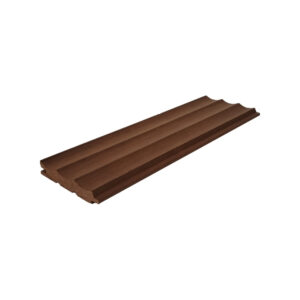
We have over 20 years of experience in thermal modification, working primarily with aspen and black alder. The process we use at our facility in Pieksämäki relies entirely on heat and water vapor, so the finished product is completely safe for skin contact and contains no toxic residues. Thermally modified aspen takes on a warm brown tone that many customers prefer for its visual richness, while still retaining all the tactile comfort that makes aspen the benchmark for sauna and interior applications.
Why do sauna interiors use wood instead of other materials?
Sauna interiors use wood because no other material combines the necessary thermal properties with the sensory qualities that define the sauna experience. Wood insulates well, heats slowly and evenly, and stays comfortable against bare skin even at high temperatures. Stone, tile, and metal all conduct heat too aggressively and become dangerously hot to touch in sauna conditions, while wood remains safe and pleasant throughout the session.
Beyond the functional argument, wood is irreplaceable in sauna design for psychological reasons. The sauna is fundamentally a space of restoration and mental decompression, and the mood benefits of natural wood surfaces are precisely what make that possible. The visual warmth of aspen or alder paneling, the gentle scent of timber in a heated space, and the tactile comfort of smooth wooden benches all work together to signal the nervous system that it is safe to relax fully.
The choice of species matters significantly in sauna applications. Aspen and black alder are resin-free and knot-free in their premium grades, which means they do not release sticky sap at high temperatures and their surfaces remain smooth and splinter-resistant over years of use. This combination of safety, durability, and sensory comfort is why Finnish sauna tradition has centered on these two species for centuries.
Where should wood surfaces be placed for maximum mood benefit?
Wood surfaces deliver the greatest mood benefit when placed at eye level and within arm’s reach, because the brain registers texture, grain, and warmth most powerfully through direct visual and tactile contact. Wall paneling, bench surfaces, and ceiling cladding in spaces where people sit or rest provide the most effective coverage for triggering the relaxation response.
In a home or public interior, the priority placement follows where people spend the most stationary time. Bedroom walls and ceilings benefit enormously from wood cladding because the calming effect of natural grain patterns supports sleep onset. Living areas with wooden wall panels or feature ceilings create a restorative atmosphere without requiring a complete renovation. In commercial and public spaces, wood at seating height and on surfaces people physically touch makes the strongest impression on perceived comfort and well-being.
Sauna interiors represent the ideal case where full wood coverage across walls, ceiling, and benches creates a completely immersive natural environment. Outside the sauna, even partial coverage achieves meaningful results. A single paneled wall in a bathroom or a wooden ceiling in a corridor introduces enough organic visual information to shift the atmosphere noticeably toward calm. The key principle is continuity: uninterrupted wood surfaces read as natural and enveloping, while isolated wooden objects read as decorative accents with a more limited psychological impact.
How do you choose the right wood finish for a relaxing space?
Choose a wood finish that preserves the natural appearance of the grain and avoids high-gloss coatings that reflect light sharply and visually harden the surface. Matte or satin oil finishes, unfinished surfaces, and lightly treated timber all maintain the organic warmth that drives the mood benefit of natural wood interiors. High-gloss lacquers create a barrier between the viewer and the wood that diminishes the biophilic effect considerably.
Untreated and naturally finished surfaces
For spaces like saunas, where skin contact is constant and high heat is present, untreated or minimally treated wood is almost always the right choice. Untreated aspen and alder develop a gentle patina over time that many people find more beautiful than the original surface. In dry interior spaces, a light natural oil can be applied to protect the wood while keeping the surface texture open and tactile.
Thermally modified as a finish alternative
Thermal modification functions as both a treatment and a finish in one step. The process darkens the wood to a warm, even brown tone without any stains or chemical coatings, and the resulting surface is highly stable and moisture-resistant. For relaxing spaces where a richer, more enveloping color palette is desired, thermally modified aspen or alder provides a complete solution that requires no additional finishing and ages gracefully without peeling or flaking.
Our sauna and interior wood products are available in both natural and thermally modified versions, giving you the flexibility to match the finish to the mood you want to create. Whether you prefer the luminous pale of untreated aspen or the deep warmth of thermally modified timber, the surface will remain smooth, safe, and visually calming for the life of the space. To explore our full range of natural and thermally modified wood products or to discuss your specific project requirements, feel free to contact our wood specialists directly.