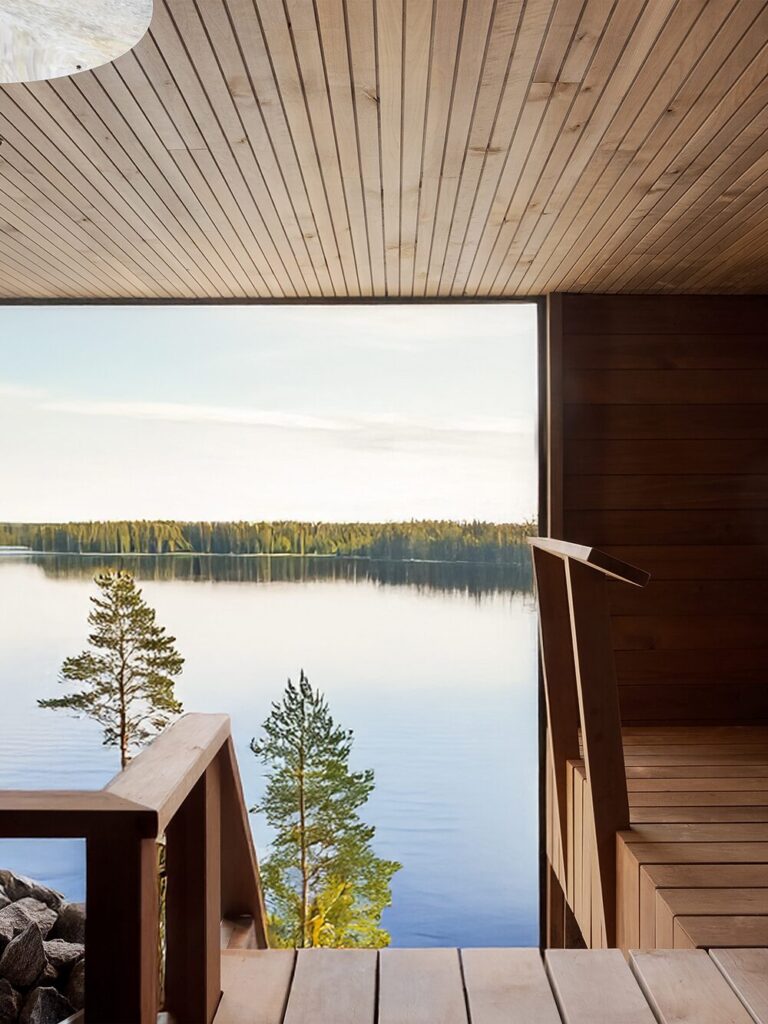
Natural sauna interiors inspired by Finnish forests use untreated or thermally modified wood species like aspen and black alder to create spaces that feel warm, organic, and deeply connected to nature. The design philosophy draws directly from the Finnish landscape: clean lines, honest materials, and a quiet beauty that comes from wood grain, knots, and natural color variation. This article unpacks the key questions behind choosing the right wood, understanding Finnish sauna design, and making decisions that will last for decades.
What types of wood are used in natural sauna interiors?
The most common sauna wood materials for natural interiors are aspen and black alder, both prized for being knot-free and resin-free. These properties matter enormously inside a sauna: resin can blister and burn skin when surfaces heat up, while smooth, tight grain stays comfortable to the touch even at high temperatures. Thermally modified versions of both species, as well as thermally modified radiata pine, are also widely used.
Aspen is the classic choice for sauna benches and paneling. Its pale, almost white surface is visually light and calming, and its low thermal conductivity means it stays comfortable to sit on even in intense heat. Black alder offers a slightly warmer, reddish-brown tone and shares aspen’s excellent heat and moisture resistance. Both species are naturally well-suited to the demanding environment of a Finnish sauna.
Beyond the traditional options, forest-inspired sauna design is increasingly embracing character-grade materials. Our Roots collection, for example, celebrates the knotty side of Finnish aspen, the parts of the log that premium production once set aside. Each panel carries unique grain patterns and natural knot markings that bring the feeling of the forest directly into the sauna interior.
What makes Finnish forest-inspired sauna design different?
Finnish forest-inspired sauna design is different because it treats the sauna as an extension of the natural landscape rather than a decorated room. The design language is restrained and honest: natural wood tones, minimal ornamentation, and materials that age gracefully rather than requiring constant maintenance. The goal is a space that feels like stepping into the forest, not away from it.
This approach contrasts sharply with sauna aesthetics that rely on dark stains, artificial finishes, or heavily processed materials. In Finnish tradition, the wood speaks for itself. Grain patterns, color variation between heartwood and sapwood, and the gentle movement of natural material over time are features to embrace, not conceal.
There is also a strong connection to sustainability and place. Finnish sauna design at its best uses locally sourced timber, processed with care and minimal waste. When the material comes from a known forest and a known sawmill, the story of the wood becomes part of the interior itself. That sense of origin and transparency is something that Finnish forest-inspired sauna interiors carry in a way that imported or anonymous materials simply cannot replicate.
Why is thermally modified wood popular in sauna interiors?
Thermally modified wood is popular in sauna interiors because the heat treatment process dramatically improves the wood’s stability, durability, and resistance to moisture without using any chemicals. The modification uses only heat and steam, making it safe for skin contact and fully non-toxic, which is essential in a space where people breathe in steam from hot surfaces.
The thermal modification process also deepens the natural color of the wood, turning pale aspen into a rich, warm brown that many people find more visually striking. This means you can achieve a darker, more dramatic sauna aesthetic while still using a light, low-density wood species that stays cool to the touch on the bench surface.
From a practical standpoint, thermally modified wood is less prone to swelling, cracking, and warping than untreated timber when exposed to repeated cycles of heat and humidity. In a sauna environment, where temperature and moisture levels change dramatically every time the sauna is used, that dimensional stability translates directly into longer-lasting, better-looking surfaces. We have been working with thermally modified aspen and black alder for over 20 years, which gives us a detailed understanding of how these materials perform over decades of real sauna use.
What’s the difference between aspen and black alder for sauna use?
The key difference between aspen and black alder for sauna use is tone and visual character: aspen is pale and almost luminous, while black alder has a warmer, reddish-brown hue. Both are knot-free and resin-free, making them equally safe and comfortable for sauna benches and paneling, but they create noticeably different atmospheres in the finished space.
Aspen in the sauna
Aspen is the lighter of the two, both in weight and color. Its near-white surface reflects light and creates an airy, open feeling that works particularly well in smaller saunas or spaces where the design goal is calm and simplicity. Aspen’s low thermal mass means bench surfaces warm up quickly but do not retain heat aggressively, which keeps the sitting surface comfortable throughout the session.
Black alder in the sauna
Black alder brings a richer, earthier palette to sauna interiors. Its warm reddish tones deepen over time, developing a patina that many sauna enthusiasts find deeply appealing. Black alder is slightly denser than aspen, which gives it a solid, substantial feel underfoot and underhand. It is an excellent choice when the design brief calls for a more grounded, forest-floor aesthetic rather than the bright Nordic minimalism that aspen naturally suggests.
Both species are available in thermally modified form, which shifts their color toward deeper browns and improves their moisture resistance further. The choice between them ultimately comes down to the visual mood you want to create in the sauna interior.
How do you choose sauna paneling for walls and ceilings?
Choosing sauna paneling for walls and ceilings comes down to three factors: the wood species, the profile of the panel, and whether you want the material treated or untreated. For a Finnish forest-inspired sauna interior, the species choice sets the overall tone, the profile determines how light and shadow play across the surface, and the treatment level affects both appearance and long-term performance.
For walls, both aspen and black alder paneling work well, and the choice between them is primarily aesthetic. Aspen creates a lighter, more reflective wall surface; black alder adds warmth and depth. Ceiling panels in a sauna are exposed to the highest heat, so using a dimensionally stable material is especially important there. Thermally modified wood is often the strongest choice for ceiling applications precisely because of its improved stability under repeated heat cycles.
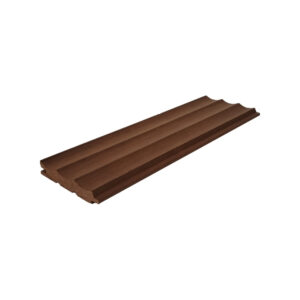
Panel profile also matters. A classic tongue-and-groove profile with a subtle chamfer creates clean shadow lines that emphasize the horizontal rhythm of the wood. Wider boards make a sauna feel more expansive; narrower boards add texture and visual movement. For a genuinely forest-inspired look, consider panels that show natural character, including grain variation and, in the case of our Roots collection, the honest beauty of knotty aspen that brings the texture of the forest directly onto the wall.
Where is sauna wood actually made, and does origin matter?
The origin of sauna wood matters because it directly affects quality consistency, traceability, and the environmental footprint of your sauna interior. Wood processed close to its source, by a manufacturer who controls the full chain from sawmill to finished panel, offers a level of quality assurance and transparency that imported or multiply-handled timber cannot match.
We manufacture all of our sauna wood products in Pieksämäki, in the heart of Savo, Finland. For our aspen products, we control the entire production chain: we saw Finnish aspen at our own sawmill, thermally modify it in our own facility, and plane and inspect every piece by hand before it leaves our site. That vertical integration means every panel that reaches a customer has been through consistent quality checks at every stage, not just at the end of the line.
For Finnish sauna interiors specifically, domestic origin carries additional meaning. Finnish aspen grown in Finnish forests, processed by Finnish craftspeople, and used in Finnish saunas represents a continuity of material and tradition that resonates with both builders and end users. When provenance matters to a client, whether for sustainability reporting, design storytelling, or simply personal values, being able to say the wood came from a specific sawmill in Pieksämäki is a genuinely meaningful answer. Contact us to discuss your sauna project and find out how we can help.