Yes, sauna use genuinely improves sleep quality for most people. The heat exposure triggers a natural cooling response in the body that closely mirrors the physiological drop in core temperature that signals to the brain that it is time to sleep. This makes a sauna session one of the most effective non-pharmacological tools for falling asleep faster and sleeping more deeply.
The effect is well supported by research and works across a range of sauna types and user profiles. The questions below unpack exactly how and why it works, and how to get the most from your sauna session for better rest.
How does sauna use physically prepare the body for sleep?
Sauna use prepares the body for sleep by raising core temperature significantly during the session, which then triggers a rapid and pronounced cooling response once you step out. This post-sauna temperature drop closely mimics the natural decline in core body temperature that the brain uses as a biological cue to initiate sleep. The result is faster sleep onset and a deeper early sleep phase.
During a sauna session, blood vessels near the skin dilate to help the body manage heat. This process, called vasodilation, moves warm blood toward the surface of the body. Once you leave the heat, that surface heat dissipates quickly, and core temperature drops faster than it would under normal evening conditions. The nervous system interprets this drop as a strong sleep signal.
At the same time, sauna use promotes the release of endorphins, reduces muscle tension, and lowers cortisol levels. Cortisol is the primary stress hormone that keeps the body alert. When cortisol falls and muscles relax, the transition into restful sleep becomes much smoother. For people who struggle to wind down mentally, this physical reset can be especially valuable.
What does research say about sauna and sleep quality?
Research consistently links regular sauna use to improved sleep quality, including faster sleep onset, longer sleep duration, and fewer nighttime awakenings. Studies examining Finnish sauna culture, where regular bathing is a lifelong habit for a large share of the population, show that habitual sauna users report significantly better sleep outcomes compared to non-users.
Broader research on passive body heating, which includes hot baths and sauna sessions, supports the same mechanism: when body temperature is elevated and then allowed to fall, the brain enters sleep stages more efficiently. This is particularly relevant for slow-wave sleep, the deep restorative phase that is most important for physical recovery and memory consolidation.
It is worth noting that the research base is growing but not yet exhaustive. Most studies are observational or involve small sample sizes. That said, the physiological mechanism behind sauna and sleep is well understood, and practical evidence from cultures with deep sauna traditions strongly supports the connection.
How long before bed should you use a sauna?
You should use a sauna roughly 60 to 90 minutes before going to bed. This window gives your body enough time to complete the post-sauna cooling process, so that your core temperature is falling naturally right as you are trying to fall asleep. Getting into bed while still overheated can actually delay sleep rather than help it.
If you use the sauna too close to bedtime, say within 30 minutes, your body may still be in an elevated temperature state when you lie down. This can interfere with the sleep onset signal and leave you feeling restless. On the other hand, using the sauna more than two to three hours before bed means the cooling effect has largely passed, and the sleep-promoting benefit is reduced.
A practical approach is to finish your sauna session, cool down gradually with a lukewarm shower rather than a cold plunge if sleep is the goal, hydrate well, and then spend the remaining time in a calm, low-light environment. This sequence allows the full physiological effect to work in your favour.
What’s the difference between traditional and infrared sauna for sleep?
The key difference for sleep purposes is how each type heats the body. A traditional Finnish sauna heats the air around you to high temperatures, typically between 80 and 100 degrees Celsius, which raises your skin and core temperature through convection and steam. An infrared sauna uses lower ambient temperatures, usually 50 to 65 degrees Celsius, but heats the body more directly with infrared radiation, producing a deep tissue warming effect at a lower environmental heat.
Traditional sauna and sleep
Traditional sauna sessions produce a more intense and rapid heat response, which means the post-sauna cooling effect is also more pronounced. For people who tolerate high heat well, this can produce a stronger sleep-onset signal. The cultural and ritual aspects of traditional sauna, the quiet, the steam, and the unhurried pace, also contribute to mental decompression that supports sleep.
Infrared sauna and sleep
Infrared saunas are often better tolerated by people who find high heat uncomfortable or who have cardiovascular sensitivities. The lower temperatures make sessions easier to sustain, and the deep tissue warming still produces a meaningful core temperature rise and subsequent drop. Some users report that infrared sessions feel more relaxing during the session itself, which may add a calming benefit on top of the thermal one.
For sleep quality, both types are effective. The choice comes down to personal tolerance, access, and preference. What matters most is the rise and fall of core temperature, and both sauna types deliver that.
Who benefits most from using a sauna to improve sleep?
People who benefit most from using a sauna to improve sleep are those who have difficulty falling asleep, high baseline stress levels, physically demanding lifestyles, or age-related changes in sleep architecture. In each of these groups, the combination of physical relaxation, cortisol reduction, and the thermal sleep signal addresses the specific barriers that make good sleep harder to achieve.
For people with stress-related insomnia, the cortisol-lowering and muscle-relaxing effects of sauna are particularly relevant. Stress keeps the nervous system in a state of alertness that resists sleep, and sauna directly counters that state through both chemical and physical pathways.
Athletes and people doing regular physical training also benefit strongly. Sauna use after exercise accelerates muscle recovery while simultaneously setting up the body for deep, restorative sleep. The combination of physical exertion and post-exercise sauna creates ideal conditions for the slow-wave sleep that drives physical repair.
Older adults, who often experience lighter and more fragmented sleep as a natural part of ageing, may find that regular sauna use helps restore some of the sleep depth that diminishes over time. The body’s natural temperature regulation becomes less efficient with age, and sauna provides a structured way to reinforce the thermal cues the body relies on. If you would like to explore options for your own sauna setup, feel free to contact us for guidance.
Can sauna wood type and design affect the sleep-promoting sauna experience?
Yes, sauna wood type and design have a meaningful effect on the quality of the sauna experience, which in turn affects how well the session prepares you for sleep. The right materials create a consistent, comfortable heat environment that allows you to relax fully, while poor choices can introduce discomfort, uneven heat, or unpleasant sensations that undermine the calming purpose of the session.
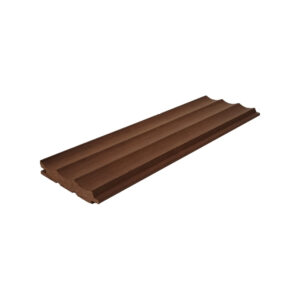
Aspen and black alder are widely regarded as the best materials for sauna benches. Both are knot-free and resin-free, which means they heat evenly and do not become uncomfortably hot to sit on even at high temperatures. Their smooth, fine-grained surface is gentle against skin, which matters during longer sessions when you want to stay relaxed rather than shifting position to avoid discomfort.
Heat-treated wood adds another dimension. Thermal modification changes the cell structure of the wood, making it more dimensionally stable under the repeated cycles of heat and humidity that a sauna produces. This means benches and panels maintain their shape and surface quality over many years, which preserves the sensory consistency of the experience.
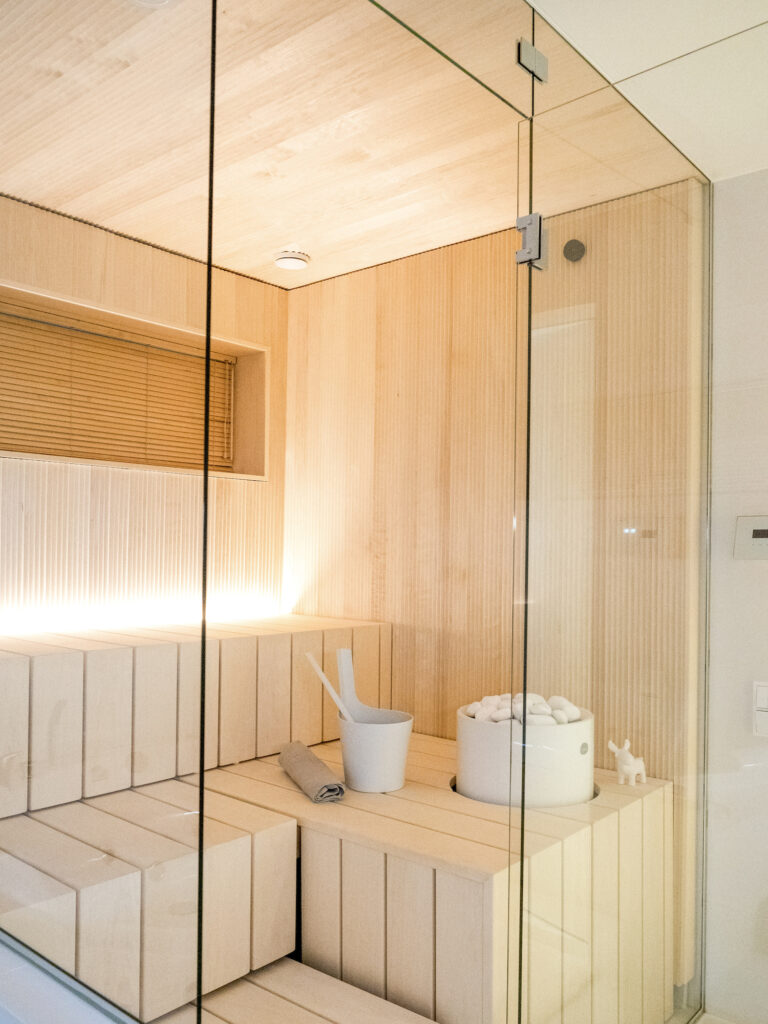
Design also plays a role. A well-proportioned sauna with good bench height, proper ventilation, and quality wall panelling holds heat evenly and creates the kind of calm, enclosed atmosphere that encourages mental relaxation alongside the physical response. We use high-quality Finnish aspen and black alder in our sauna bench products, precisely because these materials deliver the consistent, comfortable surface that a genuinely restorative sauna session requires. You can explore our full range of Finnish sauna wood products to find the right fit for your needs.