Heat treatment transforms aspen wood at a molecular level, creating a material that is both beautiful and incredibly durable. This process, which uses only heat and steam, changes the wood’s internal structure without any toxic chemicals. Understanding what happens during heat treatment helps you appreciate why lämpökäsitelty haapa has become such a popular choice for saunas and interior applications.
The transformation occurs through carefully controlled temperature and moisture conditions that alter the wood’s cellular composition. This ancient technique, refined with modern technology, produces wood with enhanced properties that natural aspen simply cannot match.
What heat treatment does to wood structure
Heat treatment fundamentally changes aspen wood by removing water and resin while altering its cellular structure. The process begins by rapidly heating the lumber to 100 degrees Celsius to dry the wood completely. Once fully dried, the temperature slowly rises to between 175 and 210 degrees Celsius, where it remains for 1.5 to 3 days, depending on the wood species, thickness, and desired color intensity.
During this extended heating phase, steam and hot air work together to modify the wood’s composition. The high temperatures break down hemicellulose and other organic compounds, while steam prevents cracking and burning and influences the chemical changes taking place. Water and resin gradually leave the wood fibers, creating a more stable and uniform material.
The cell walls become more rigid as lignin cross-links form new bonds. This restructuring reduces the wood’s ability to absorb moisture, which directly improves its dimensional stability. The process is completely natural, using only heat and water vapor, without any chemical additives.
Enhanced durability and stability benefits
The structural changes from heat treatment give aspen wood remarkable durability and dimensional stability. Lämpökäsitelty haapa resists moisture absorption much better than untreated wood because the modified cell structure cannot hold water as readily. This means the wood expands and contracts less with changes in humidity, reducing warping, cupping, and splitting over time.
Heat-treated aspen also develops natural resistance to decay and insects. The high temperatures eliminate existing microorganisms while creating an environment less hospitable to future biological attacks. The reduced moisture content and altered chemical composition make the wood less appealing to insects and less susceptible to rot.
These durability improvements occur without compromising the wood’s natural breathability. Unlike chemical treatments that can create barriers, heat treatment maintains the wood’s ability to regulate moisture naturally while significantly improving its performance characteristics.
Why heat-treated aspen excels in saunas
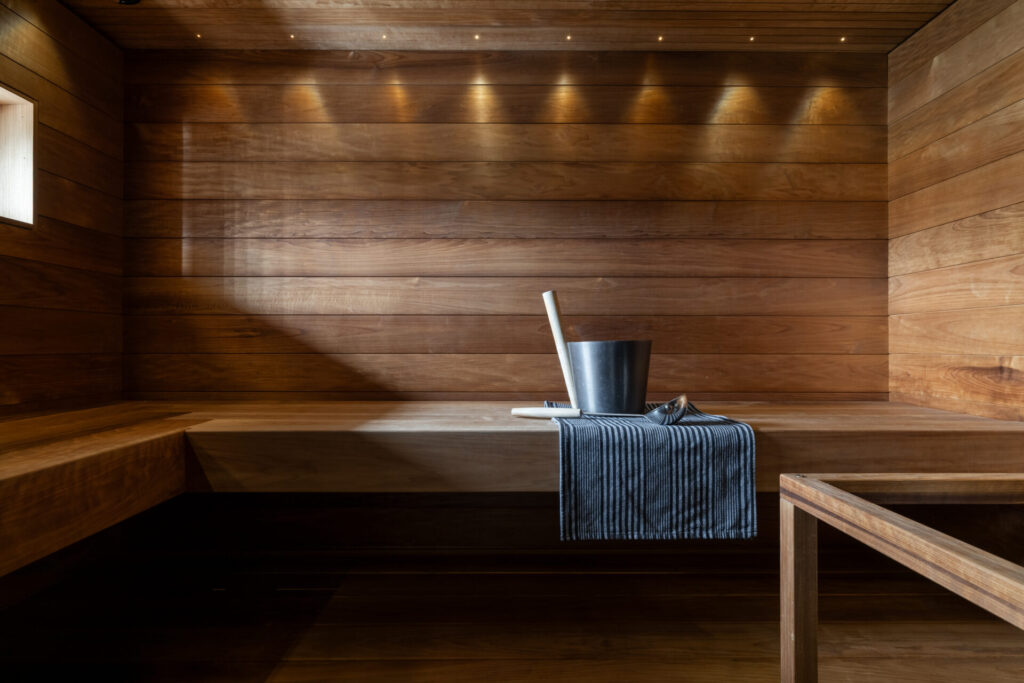
Heat-treated aspen performs exceptionally well in saunas because it remains comfortable to the touch even at high temperatures. The modified wood structure conducts heat differently than untreated wood, staying cooler against the skin during intense sauna sessions. This makes it ideal for bench surfaces where direct skin contact occurs.
The enhanced moisture stability is crucial in sauna environments where humidity levels fluctuate dramatically. Lämpökäsitelty haapa maintains its shape and smooth surface better than untreated wood, reducing the risk of splinters or rough spots that could develop from repeated wet-dry cycles. The wood’s improved resistance to moisture also means it dries more quickly between sauna sessions.
Additionally, heat-treated aspen develops a pleasant, mild wood aroma that enhances the sauna experience without becoming overwhelming. The treatment process eliminates harsh resins while preserving the wood’s natural fragrance, creating an appealing sensory environment.
Color and appearance changes from heat treatment
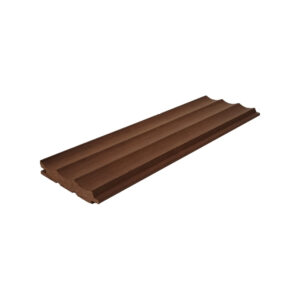
Heat treatment transforms aspen’s naturally pale color into an elegant brown tone that deepens with higher treatment temperatures and longer exposure times. This color change occurs throughout the entire thickness of the wood, not just on the surface, ensuring a consistent appearance even after planing or sanding.
The browning occurs as sugars and other organic compounds in the wood undergo thermal decomposition. Unlike stains or dyes that sit on the surface, this color penetrates completely through each board. The resulting tone ranges from light caramel to rich chocolate brown, depending on the specific treatment parameters used.
The heat treatment process also enhances the wood’s natural grain patterns, making them more pronounced and visually appealing. The uniform color and enhanced grain create a premium appearance that works well in both traditional and contemporary design settings. This natural coloration remains stable over time and will not fade or wear away with use.
At Pieksäwood, we have perfected this heat treatment process through 20 years of experience, particularly with aspen and alder. Our modern treatment facility in Pieksämäki ensures consistent quality, and our complete control over the manufacturing process guarantees that every piece of lämpökäsitelty haapa meets the highest standards for your sauna and interior projects. Explore our complete range of heat-treated wood products to find the perfect solution for your needs.
Ready to Experience Premium Heat-Treated Aspen?
Transform your sauna or interior space with the exceptional quality and durability of lämpökäsitelty haapa. Our expert team at Pieksäwood is ready to help you select the perfect heat-treated aspen products for your specific project requirements. Whether you’re building a new sauna or renovating an existing space, we’ll guide you through our extensive range of premium materials and provide personalized recommendations based on your needs. Contact us today to discuss your project and discover why professionals worldwide trust Pieksäwood for their heat-treated wood solutions.