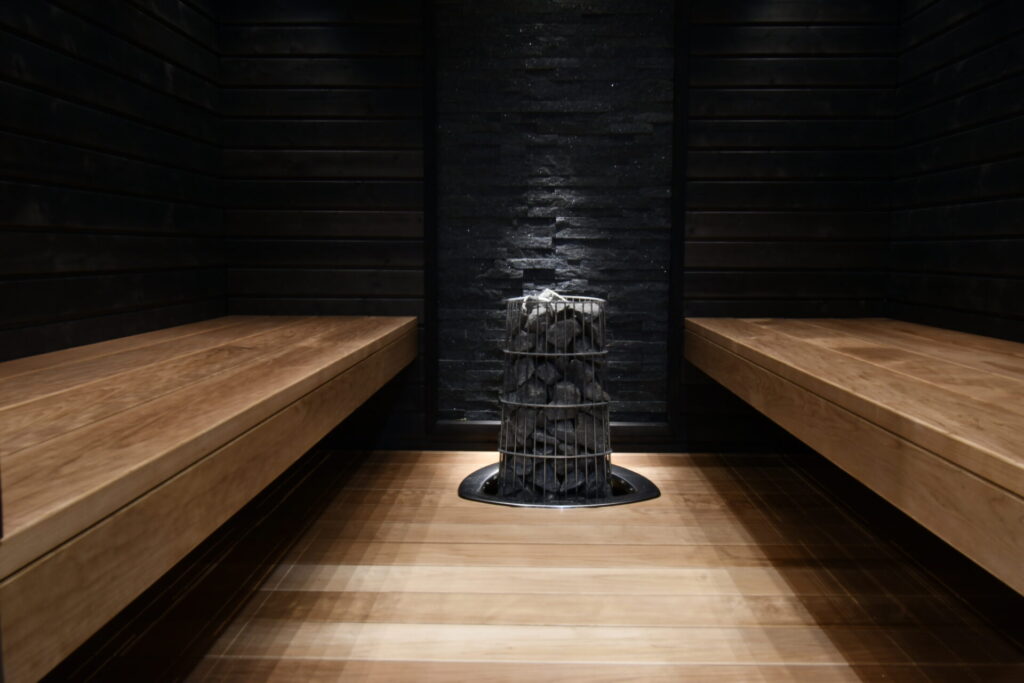
Yes, a sauna is good for muscle recovery after exercise. Heat exposure increases blood flow to tired muscles, helps flush out metabolic waste, and promotes relaxation in muscle tissue, all of which support the natural recovery process. The following questions unpack exactly how and when to use a sauna for the best recovery results.
How does sauna heat actually help sore muscles?
Sauna heat helps sore muscles primarily by dilating blood vessels and increasing circulation to muscle tissue. This improved blood flow delivers more oxygen and nutrients to damaged muscle fibers while simultaneously helping remove metabolic byproducts such as lactic acid that accumulate during intense exercise. The heat also relaxes muscle tension directly, reducing the stiffness that follows a hard workout.
Beyond circulation, elevated body temperature triggers the release of heat shock proteins. These proteins play a role in repairing cellular damage and protecting muscle cells from further stress. Regular sauna use may therefore support not just immediate recovery but also longer-term adaptation to training loads.
There is also a neurological dimension to consider. Heat activates the parasympathetic nervous system, shifting the body away from the stress response and toward rest and repair. This is why a sauna session after exercise often feels deeply relaxing rather than stimulating. That shift in nervous system state is itself a meaningful part of recovery, particularly for athletes who train frequently and accumulate significant physiological stress over time.
How soon after a workout should you use a sauna?
You should wait at least 10 to 20 minutes after finishing your workout before entering a sauna. This brief cooldown period allows your heart rate to settle and your core temperature to begin normalizing, reducing the cardiovascular strain that comes from combining intense exercise with immediate heat exposure.
If your workout was particularly demanding, a longer wait of 30 minutes or more is sensible. During very intense exercise, your body is already managing a significant heat load and directing blood flow to working muscles and the skin for cooling. Adding sauna heat immediately can overburden these systems, increasing the risk of dizziness or dehydration.
Drinking water before you enter the sauna is equally important. Exercise causes fluid loss through sweat, and the sauna will accelerate that loss further. Rehydrating in the gap between your workout and your sauna session helps maintain safe cardiovascular function and makes the recovery benefits of the heat more accessible to your body.
Does sauna reduce delayed onset muscle soreness (DOMS)?
Sauna use can help reduce the severity of delayed onset muscle soreness, though it is unlikely to eliminate it entirely. DOMS typically peaks 24 to 72 hours after unfamiliar or high-intensity exercise, and the increased circulation and muscle relaxation that sauna promotes may shorten its duration and reduce its intensity.
The mechanism is related to the same circulatory benefits described above. When blood flow to muscle tissue is enhanced, the inflammatory byproducts associated with DOMS are cleared more efficiently. This does not mean the soreness disappears overnight, but many regular sauna users report that post-exercise stiffness feels more manageable when sauna sessions are part of their routine.
It is worth noting that some degree of DOMS is a normal and even productive part of the adaptation process, particularly when you are building strength or trying new training methods. The goal of sauna recovery is not to suppress this process entirely but to support it, helping the body work through soreness more comfortably so you can return to training sooner.
What’s the difference between a sauna and an ice bath for recovery?
The key difference between a sauna and an ice bath for recovery is that they work through opposite mechanisms. A sauna uses heat to increase blood flow, relax muscles, and promote tissue repair, while an ice bath uses cold to constrict blood vessels, reduce acute inflammation, and numb pain signals. Both can aid recovery, but they are better suited to different situations.
When sauna has the advantage
Sauna tends to be more beneficial for general muscle relaxation, chronic stiffness, and recovery from moderate exercise. The heat encourages the body’s natural repair processes and supports the nervous system’s shift into rest mode. For athletes who train regularly, sauna also has well-documented benefits for cardiovascular health and mental well-being, making it a more versatile long-term recovery tool.
When an ice bath has the advantage
Ice baths are typically more effective immediately after very intense or contact-heavy exercise, where acute inflammation and swelling are significant concerns. Cold immersion can reduce tissue swelling quickly and blunt the most severe pain signals in the hours right after competition or a particularly grueling session. However, there is ongoing debate in sports science about whether suppressing inflammation too aggressively may interfere with the body’s natural adaptation response, particularly in strength training contexts.
Some athletes combine both methods, using cold first to manage acute inflammation and then heat in the days that follow to support deeper tissue recovery. The right choice depends on your training type, the intensity of the session, and how your body responds to each approach.
How long should you stay in the sauna after exercise?
After exercise, 10 to 20 minutes in the sauna is generally sufficient to gain the recovery benefits without placing excessive strain on your body. This duration allows core temperature to rise meaningfully, circulation to increase, and muscles to begin relaxing, while keeping the session within a safe range for most healthy adults.
If you are new to post-workout sauna use, start at the lower end of that range, around 10 minutes, and see how your body responds. Factors such as sauna temperature, humidity, your fitness level, and how well hydrated you are all influence how long you can comfortably stay inside. Traditional Finnish saunas typically operate between 80 and 100 degrees Celsius, and at those temperatures, shorter sessions are entirely effective.
Leaving the sauna, cooling down briefly, and then re-entering for a second, shorter round is a common and effective approach. This cycle allows your body to recover between rounds while still accumulating meaningful heat exposure. Whatever duration you choose, listen to your body. Lightheadedness, nausea, or an unusually rapid heartbeat are signals to exit immediately, cool down, and rehydrate.
Are there any risks to using a sauna after intense exercise?
Yes, there are real risks to using a sauna after intense exercise, and the most significant are dehydration and cardiovascular overload. Exercise already raises your heart rate and depletes fluids. Adding sauna heat continues both processes, and if you are not adequately hydrated or if your body has not had time to begin recovering, the combined stress can become unsafe.
Dehydration is the most common concern. Both exercise and sauna use cause significant sweat loss, and entering a hot sauna while already dehydrated from training can lead to dizziness, muscle cramps, and in severe cases, heat exhaustion. Drinking water before, during breaks, and after your sauna session is not optional. It is a basic safety requirement.
People with certain cardiovascular conditions, low blood pressure, or those who are pregnant should consult us or a qualified specialist before combining intense exercise with sauna use. Even for healthy adults, it is wise to avoid alcohol before or during a sauna session, as alcohol impairs the body’s ability to regulate temperature and compounds dehydration risk.
Finally, the quality of the sauna environment matters. A well-built sauna made from premium Finnish sauna wood products maintains consistent, controllable heat and ventilation, which makes the experience both safer and more effective. At Pieksäwood, we craft sauna benches and panels from premium Finnish aspen and alder, materials that stay comfortable to the touch even at high temperatures, so your recovery session is as pleasant as it is beneficial.